
Your search for “worship” returned 81 images.
Clear Search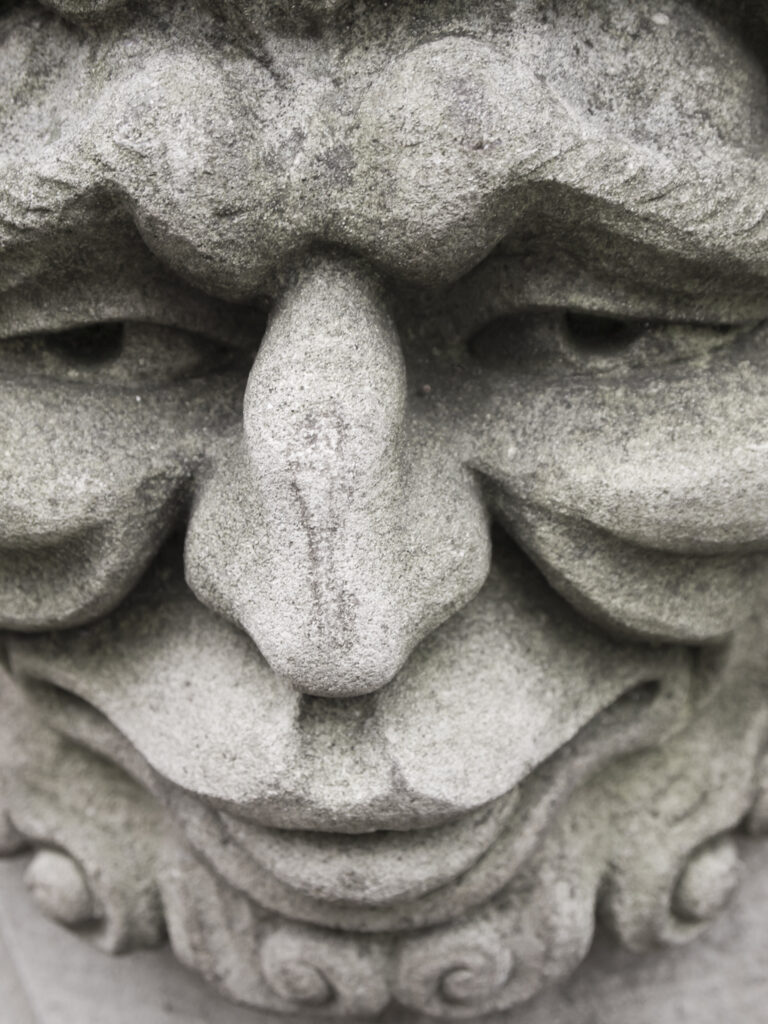
England, North Yorkshire, York City. Gargoyle on bench in Dean's Park in the grounds of York Minster cathedral.
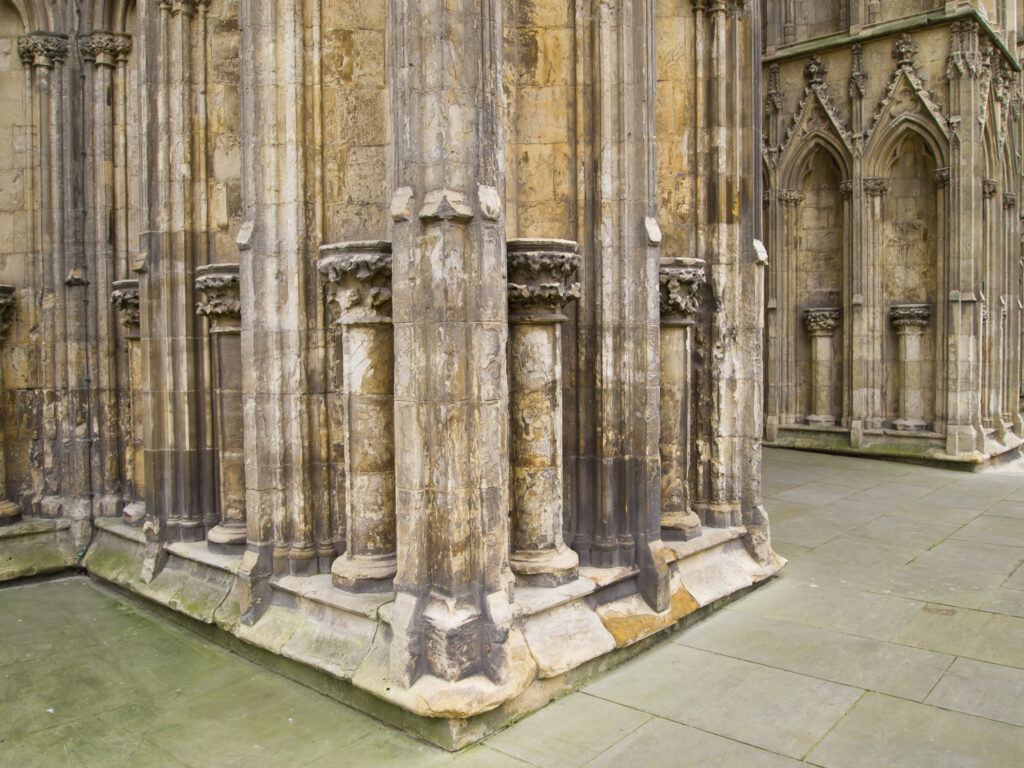
England, North Yorkshire, York City. Architectural detail of the West Front entrance of York Minster Cathedral.
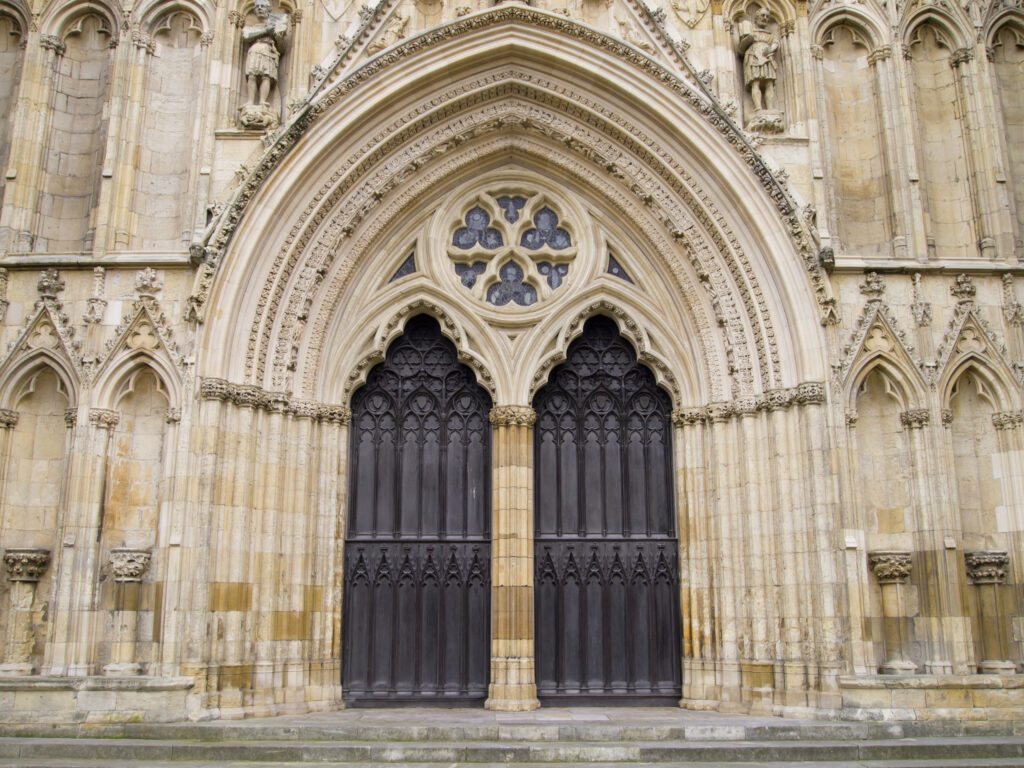
England, North Yorkshire, York City. Grand door and arch on the West Front entrance of York Minster.
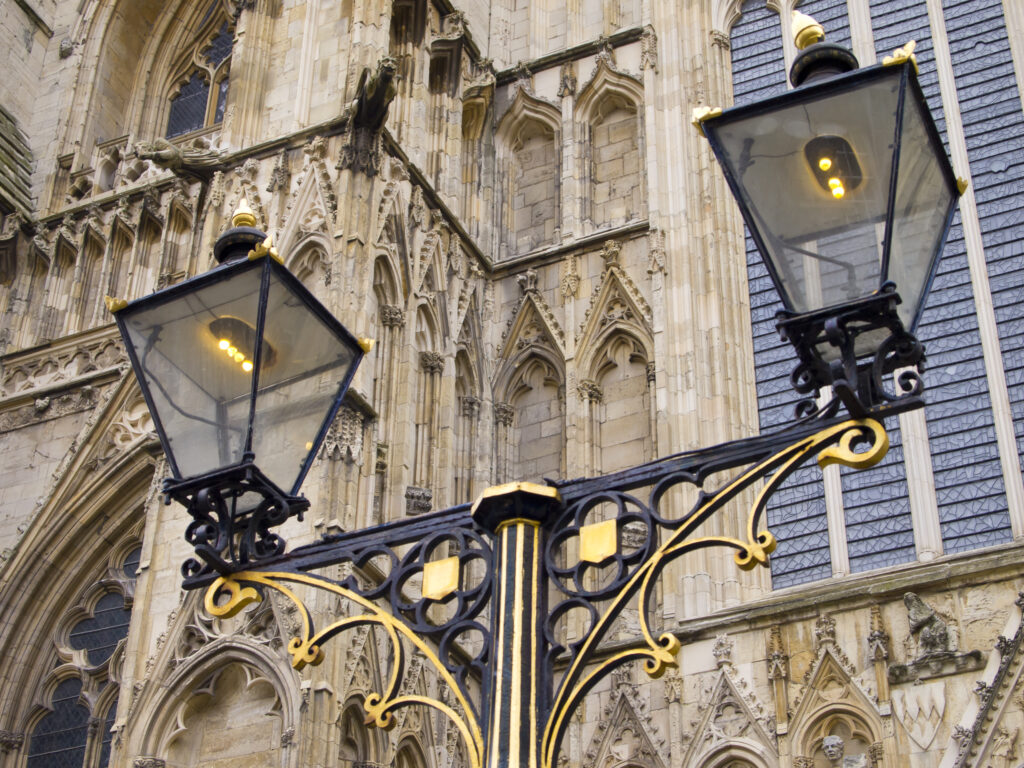
England, North Yorkshire, York City. Ornate lamp outside of the West Front entrance of York Minster.
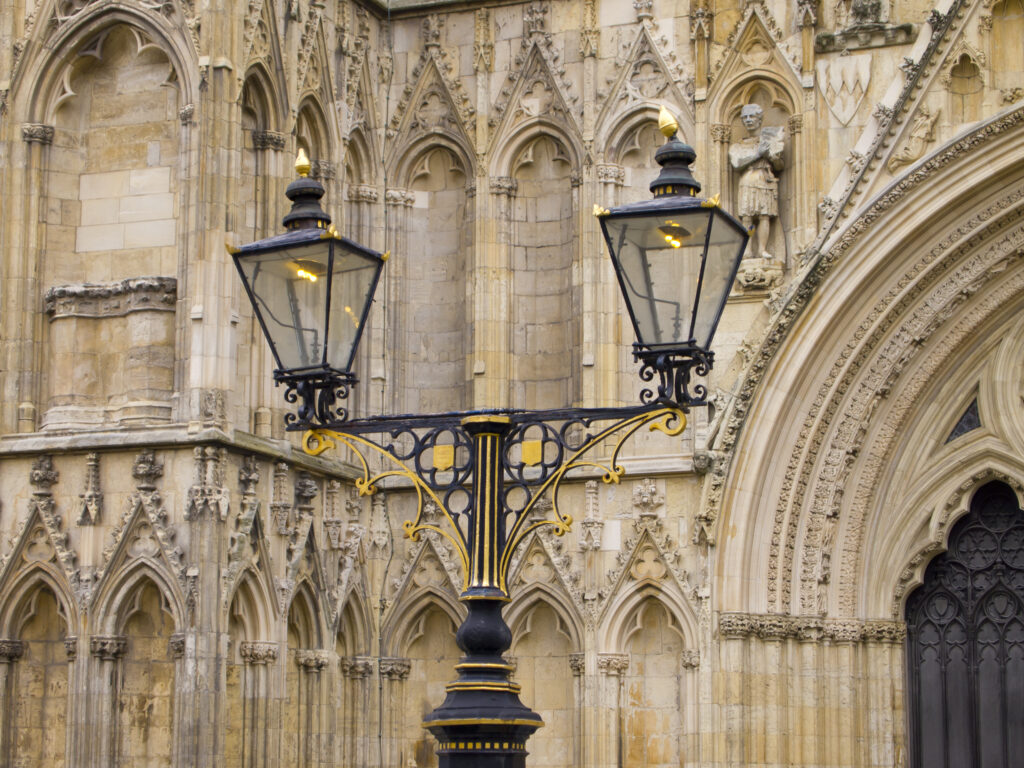
England, North Yorkshire, York City. Ornate lamp outside of the West Front entrance of York Minster.
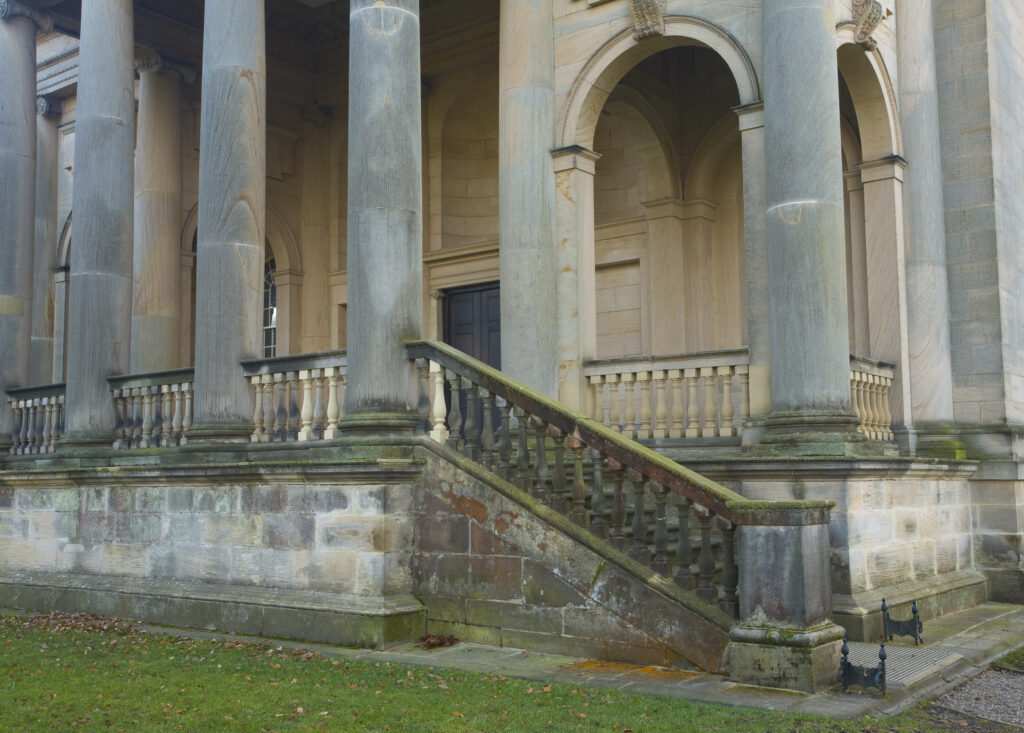
England, Tyne and Wear, Gibside. The chapel at Gibside was built as a in the 1760's as a mausoleum for coal magnate George Bowes. The chapel, now owned by the National Trust, is still used for religious worship and wedding ceremonies.
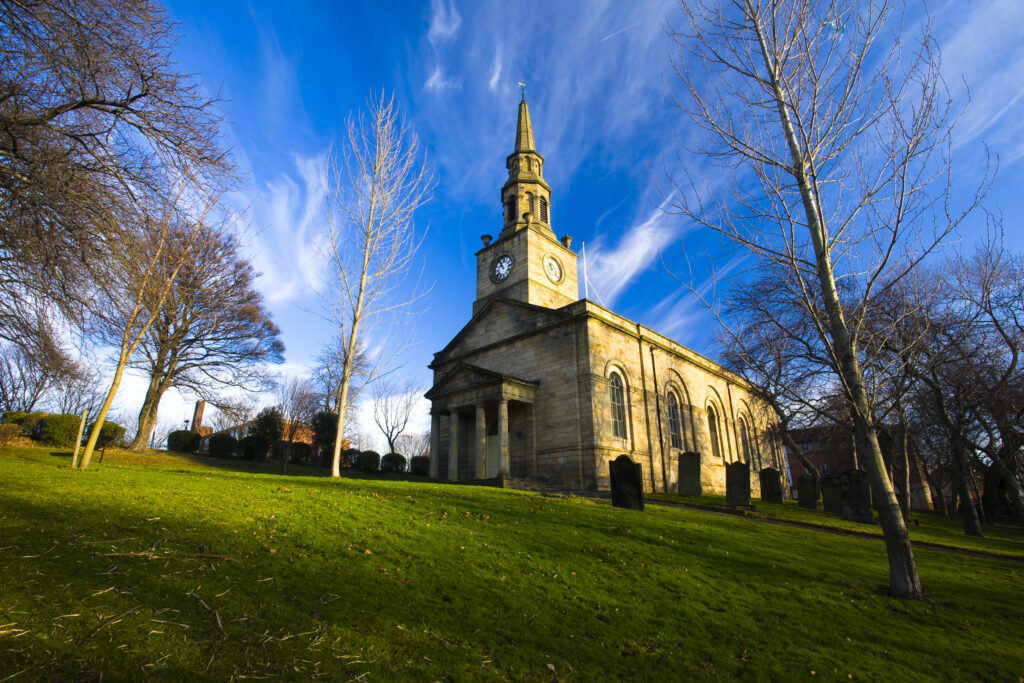
England, Tyne and Wear, Newcastle Upon Tyne. St Anns Church was originally set in fields overlooking the East Quayside. The church became famous for the distribution of hot soup to the unemployed during the winters of 1908 – 1910 by the vicar, Bernard East.
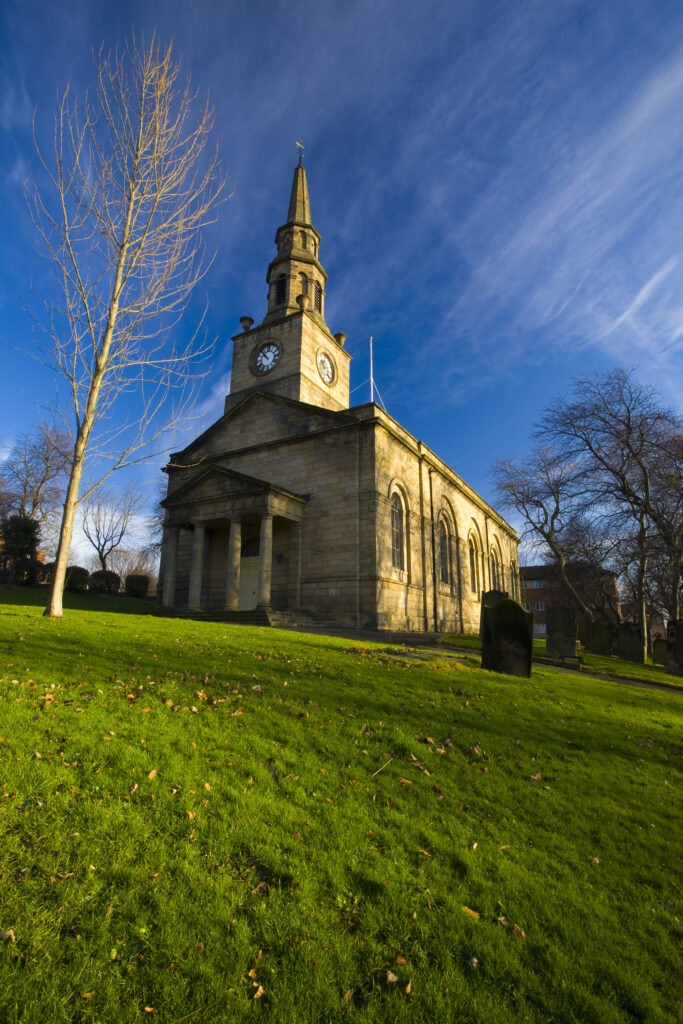
England, Tyne and Wear, Newcastle Upon Tyne. St Anns Church was originally set in fields overlooking the East Quayside. The church became famous for the distribution of hot soup to the unemployed during the winters of 1908 – 1910 by the vicar, Bernard East.
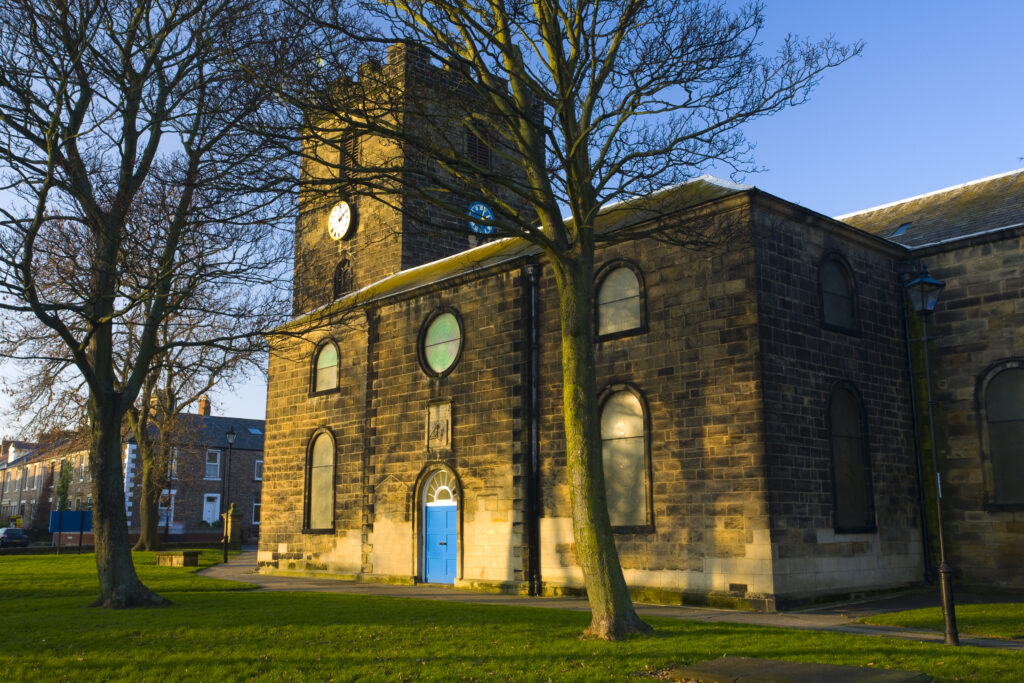
England, Tyne & Wear, North Shields. Christ Church, the parish church of North Shields, was originally built in 1658 before being rebuilt in sandstone in 1792.
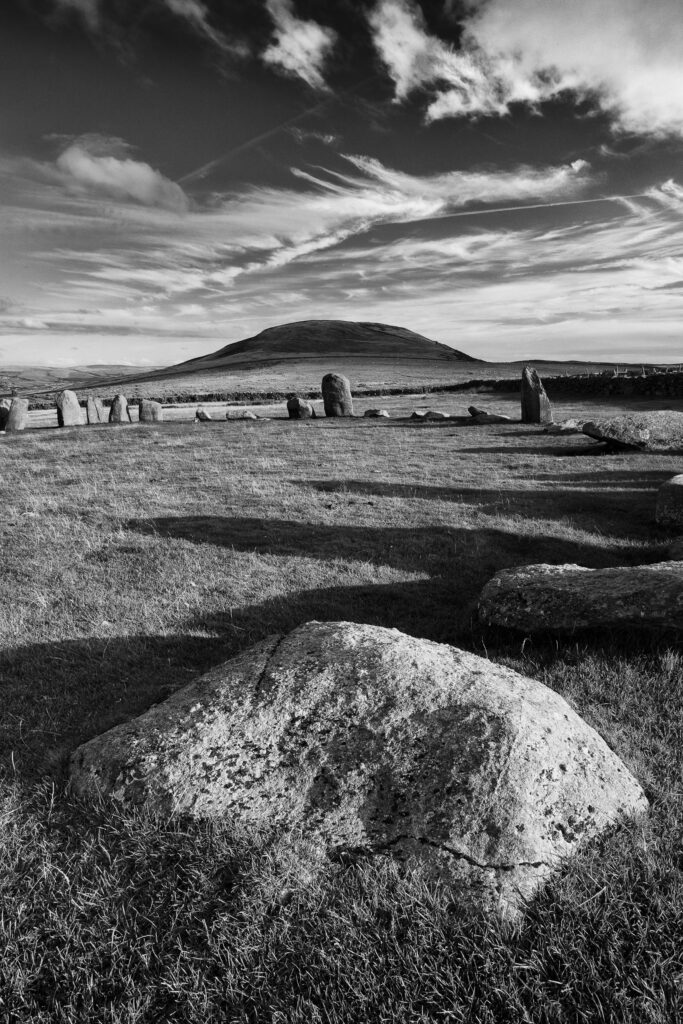
England, Cumbria, Swinside Stone Circle. The name of the Sunkenkirk stone circle, also known as Swinside, is derived from the ancient belief that the circle of stones are the remains of an ancient church (kirk) sunk into the ground by a strike from the Devil.
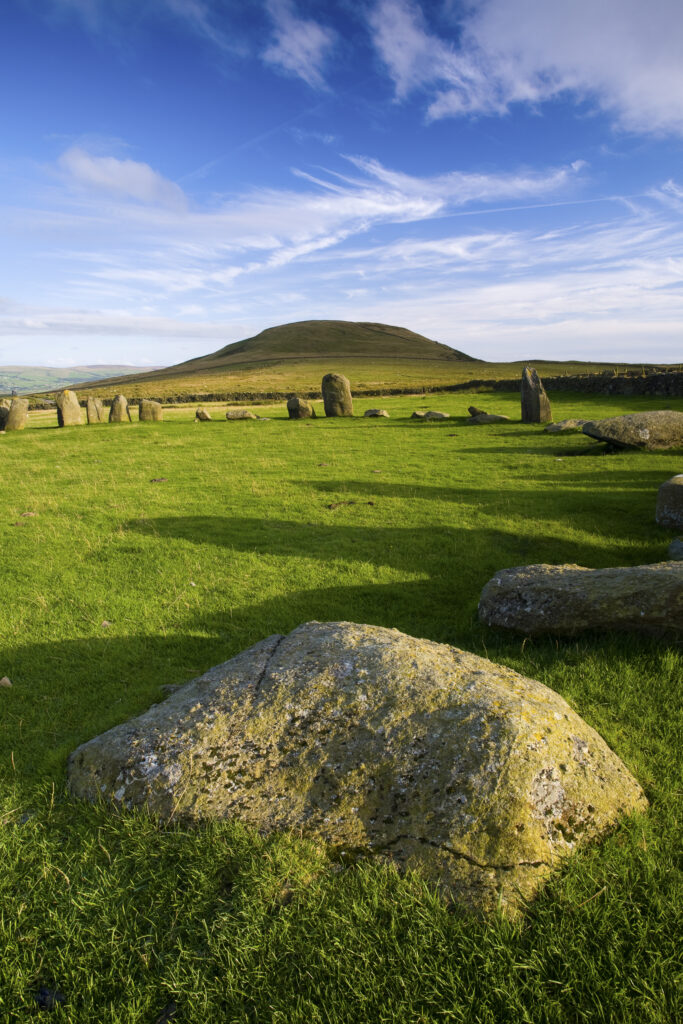
England, Cumbria, Swinside Stone Circle. The name of the Sunkenkirk stone circle, also known as Swinside, is derived from the ancient belief that the circle of stones are the remains of an ancient church (kirk) sunk into the ground by a strike from the Devil.
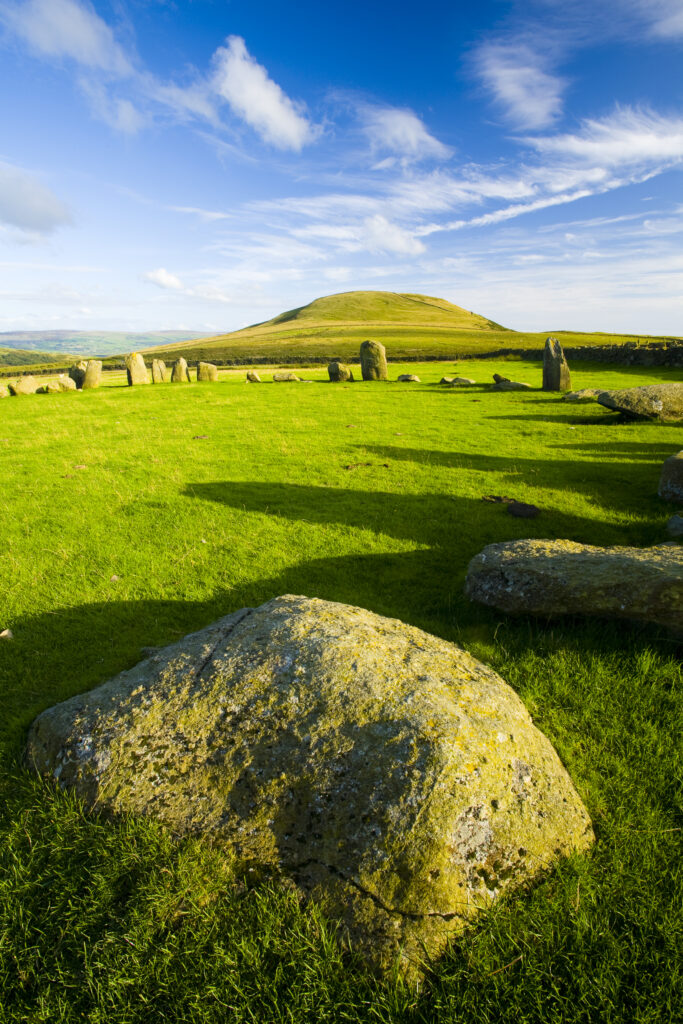
England, Cumbria, Swinside Stone Circle. The name of the Sunkenkirk stone circle, also known as Swinside, is derived from the ancient belief that the circle of stones are the remains of an ancient church (kirk) sunk into the ground by a strike from the Devil.
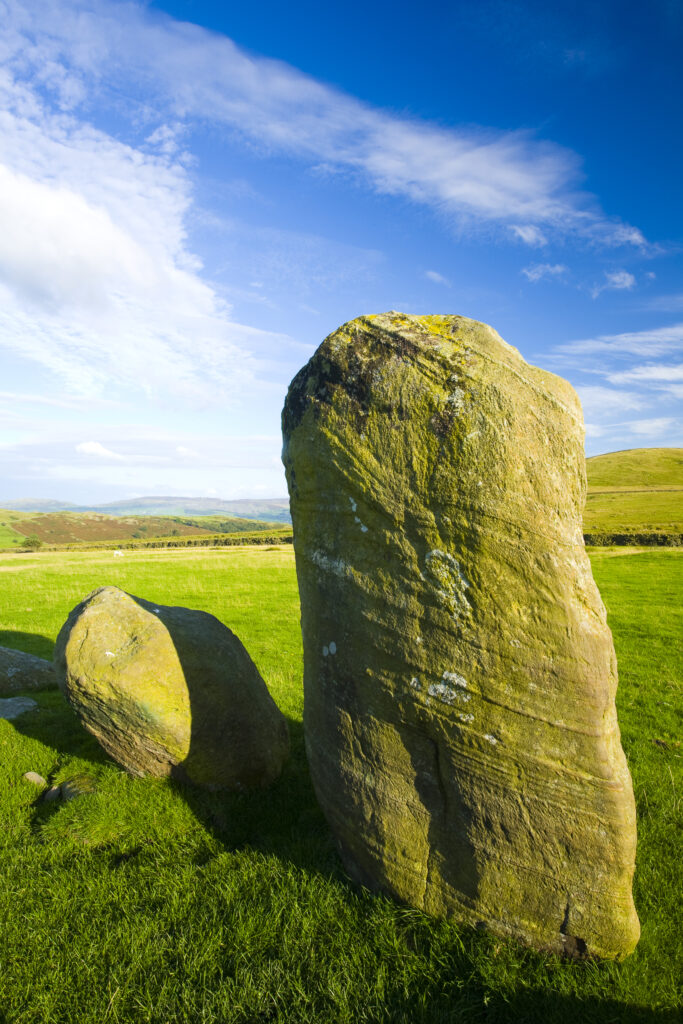
England, Cumbria, Swinside Stone Circle. The name of the Sunkenkirk stone circle, also known as Swinside, is derived from the ancient belief that the circle of stones are the remains of an ancient church (kirk) sunk into the ground by a strike from the Devil.
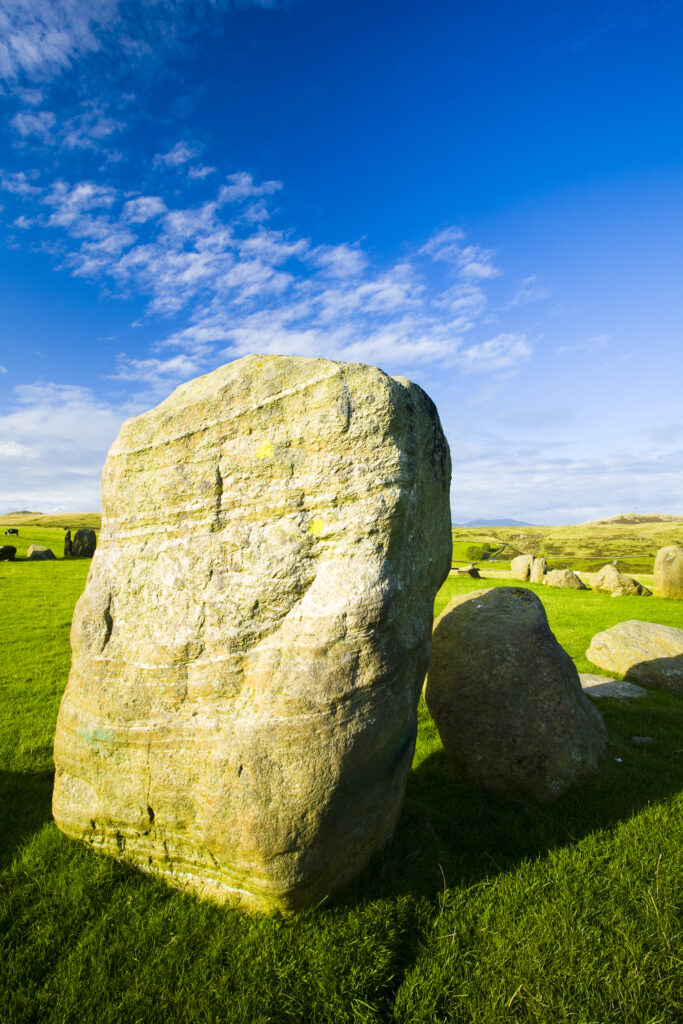
England, Cumbria, Swinside Stone Circle. The name of the Sunkenkirk stone circle, also known as Swinside, is derived from the ancient belief that the circle of stones are the remains of an ancient church (kirk) sunk into the ground by a strike from the Devil.
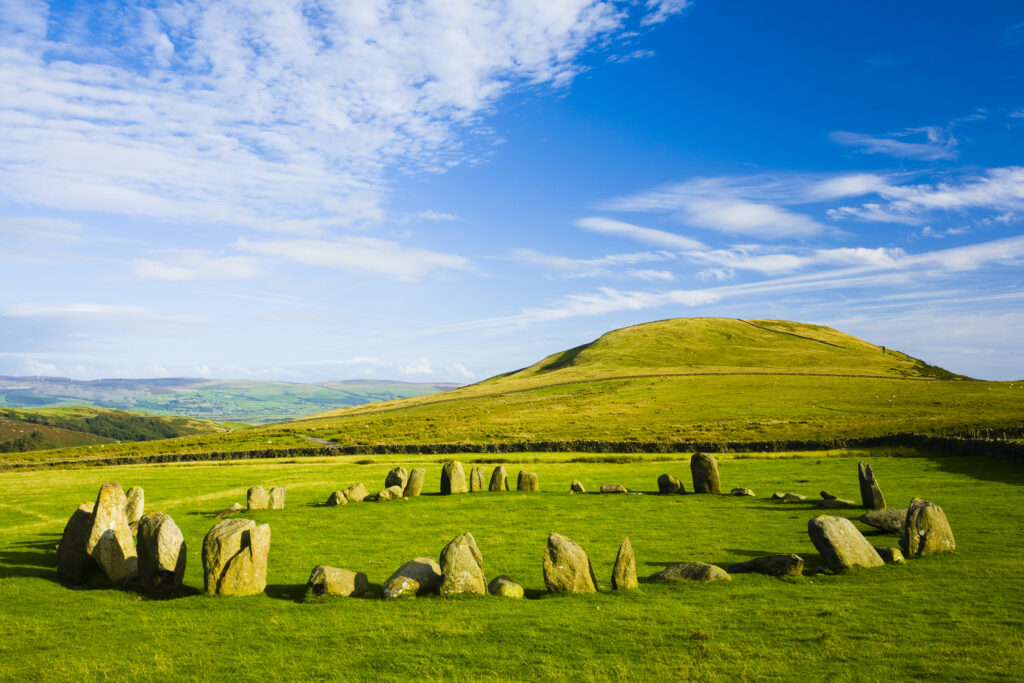
England, Cumbria, Swinside Stone Circle. The name of the Sunkenkirk stone circle, also known as Swinside, is derived from the ancient belief that the circle of stones are the remains of an ancient church (kirk) sunk into the ground by a strike from the Devil.
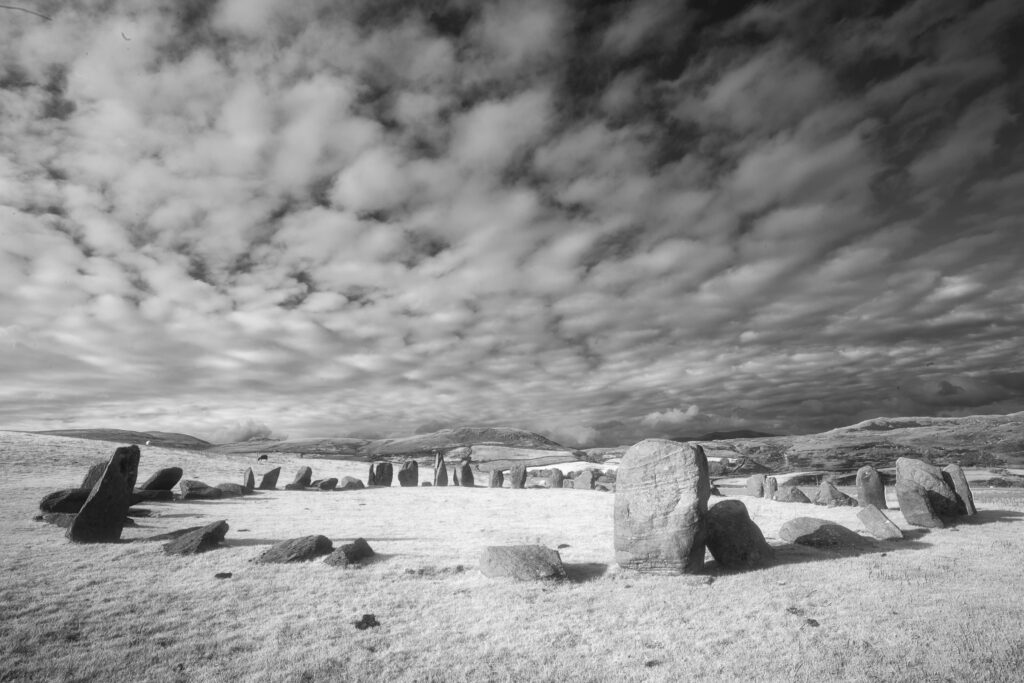
England, Cumbria, Swinside Stone Circle. The name of the Sunkenkirk stone circle, also known as Swinside, is derived from the ancient belief that the circle of stones are the remains of an ancient church (kirk) sunk into the ground by a strike from the Devil.
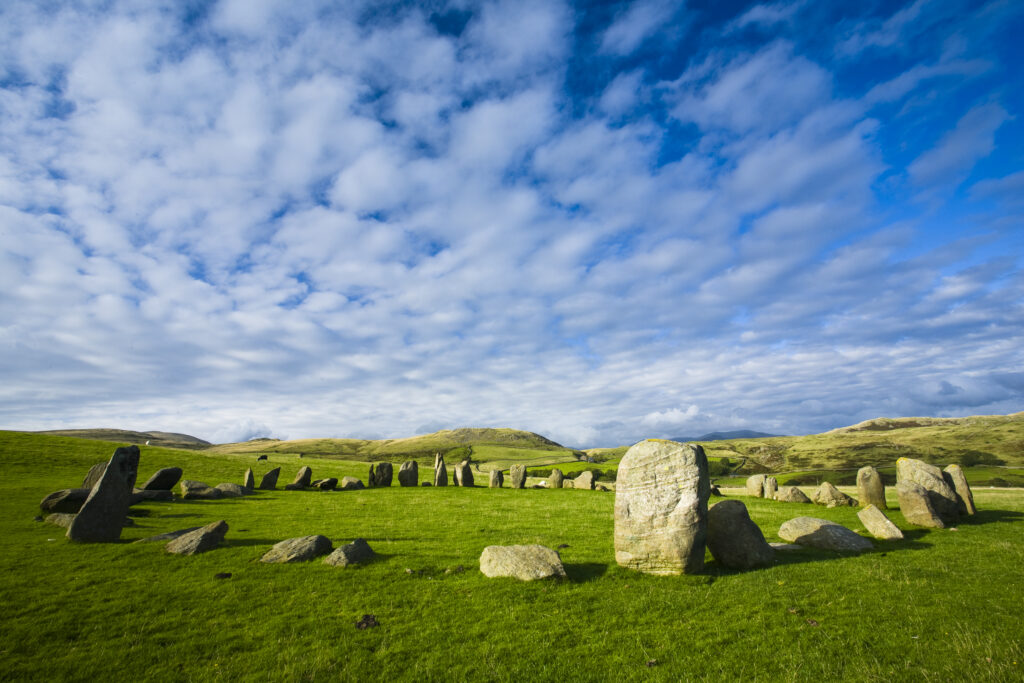
England, Cumbria, Swinside Stone Circle. The name of the Sunkenkirk stone circle, also known as Swinside, is derived from the ancient belief that the circle of stones are the remains of an ancient church (kirk) sunk into the ground by a strike from the Devil.
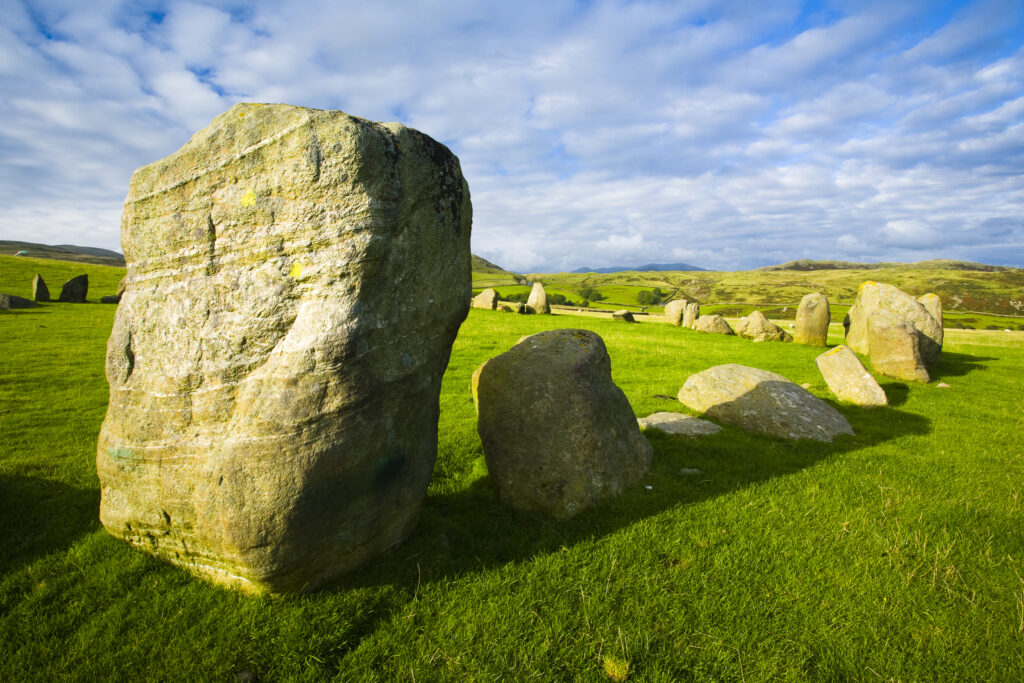
England, Cumbria, Swinside Stone Circle. The name of the Sunkenkirk stone circle, also known as Swinside, is derived from the ancient belief that the circle of stones are the remains of an ancient church (kirk) sunk into the ground by a strike from the Devil.
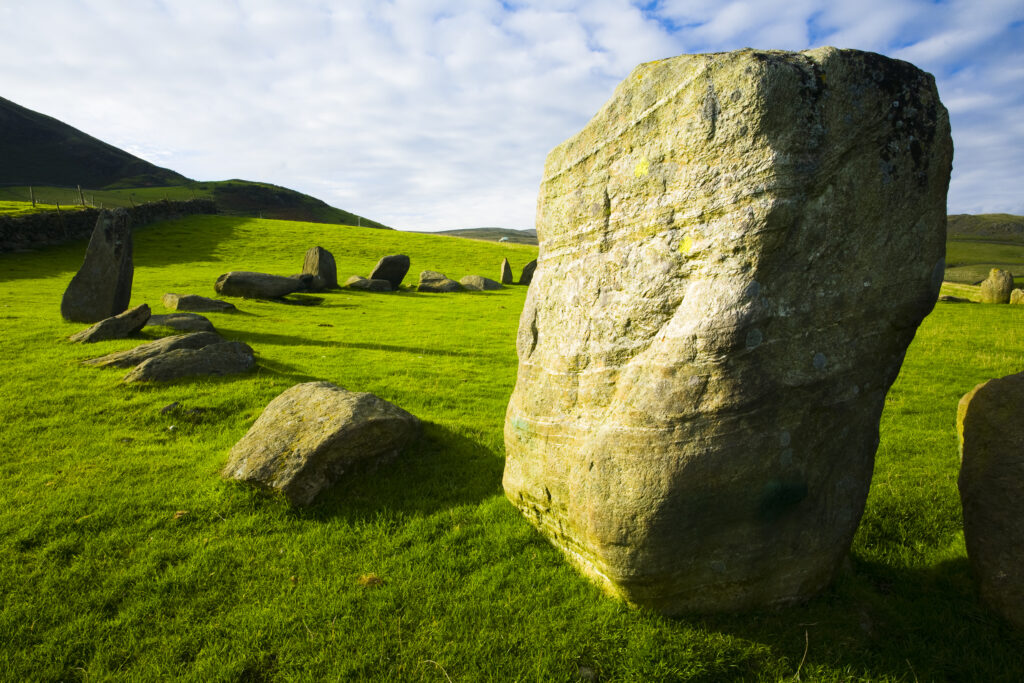
England, Cumbria, Swinside Stone Circle. The name of the Sunkenkirk stone circle, also known as Swinside, is derived from the ancient belief that the circle of stones are the remains of an ancient church (kirk) sunk into the ground by a strike from the Devil.
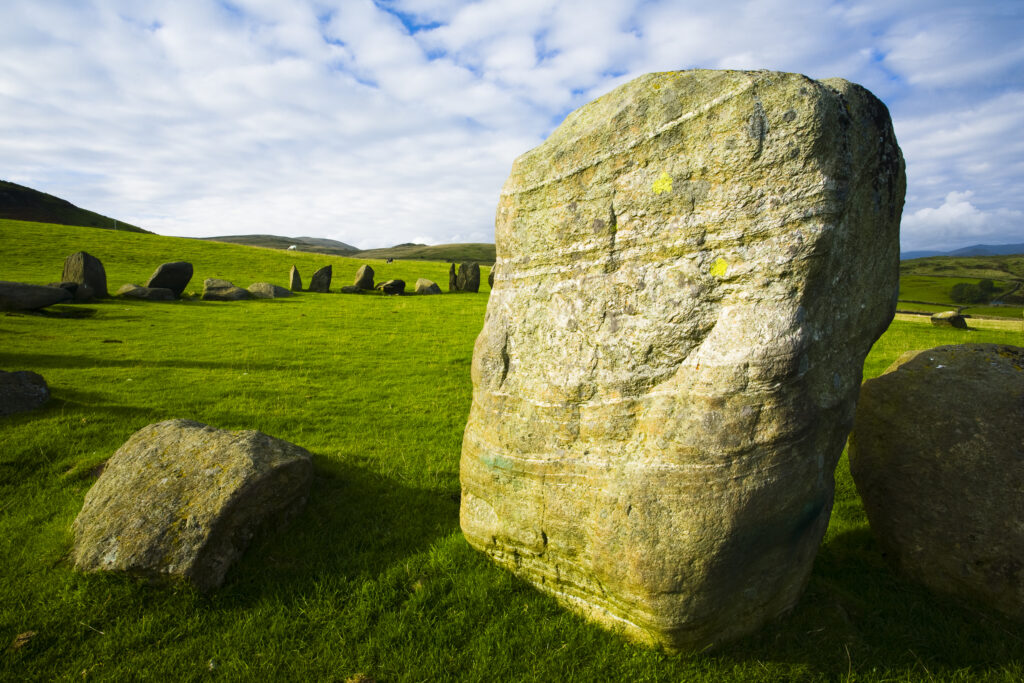
England, Cumbria, Swinside Stone Circle. The name of the Sunkenkirk stone circle, also known as Swinside, is derived from the ancient belief that the circle of stones are the remains of an ancient church (kirk) sunk into the ground by a strike from the Devil.
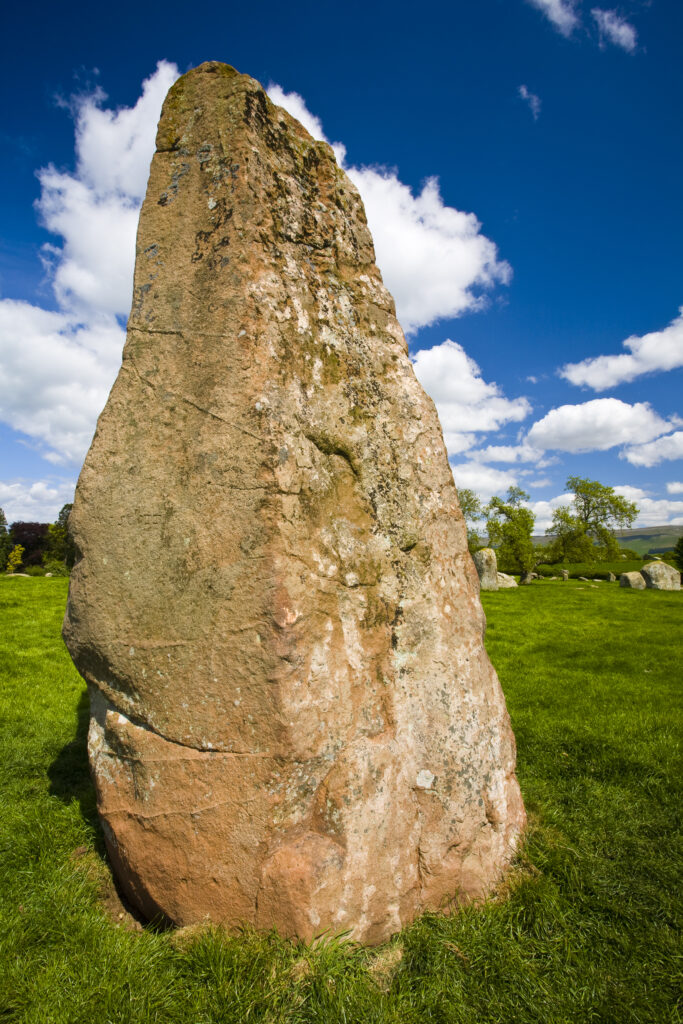
England, Cumbria, Little Salkeld. Long Meg and her daughters, one of the finest stone circles to be found in the north of England
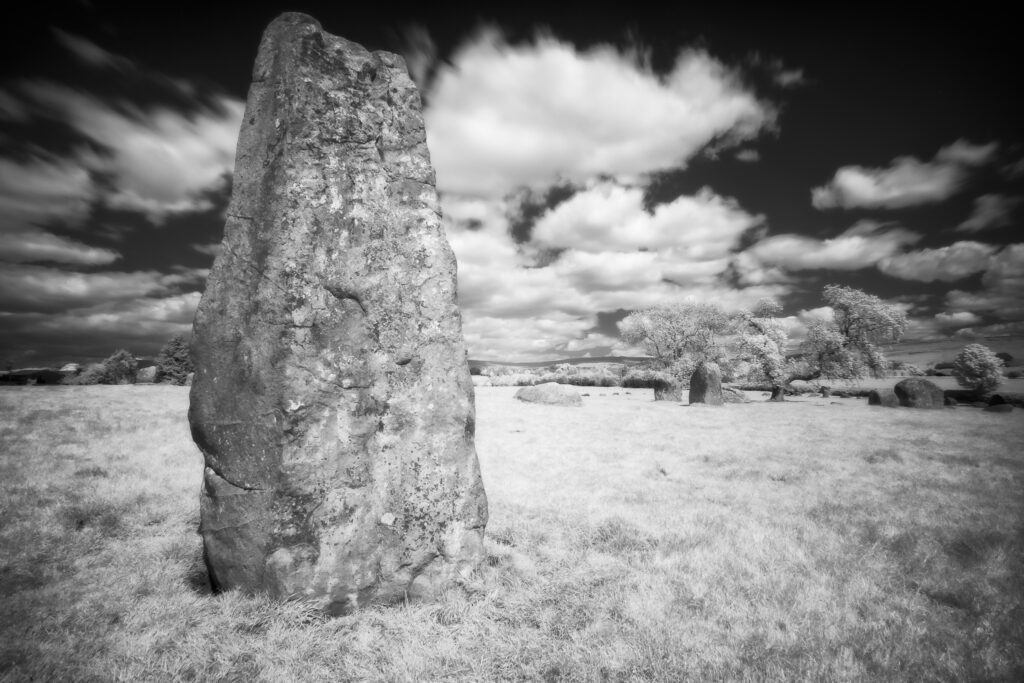
England, Cumbria, Little Salkeld. Long Meg and her daughters, one of the finest stone circles to be found in the north of England
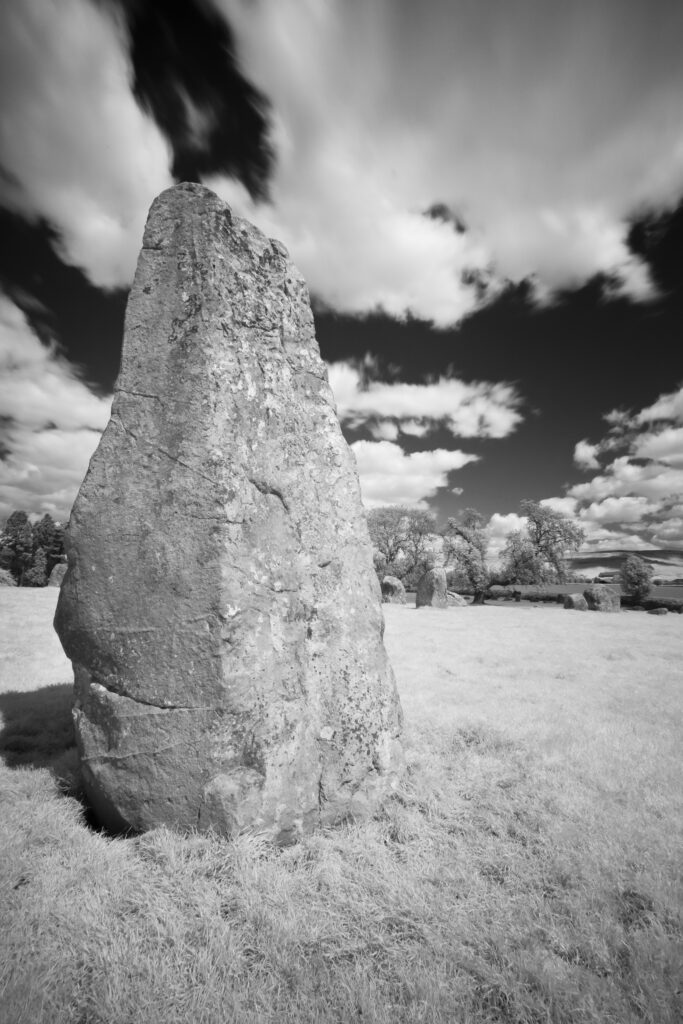
England, Cumbria, Little Salkeld. Long Meg and her daughters, one of the finest stone circles to be found in the north of England
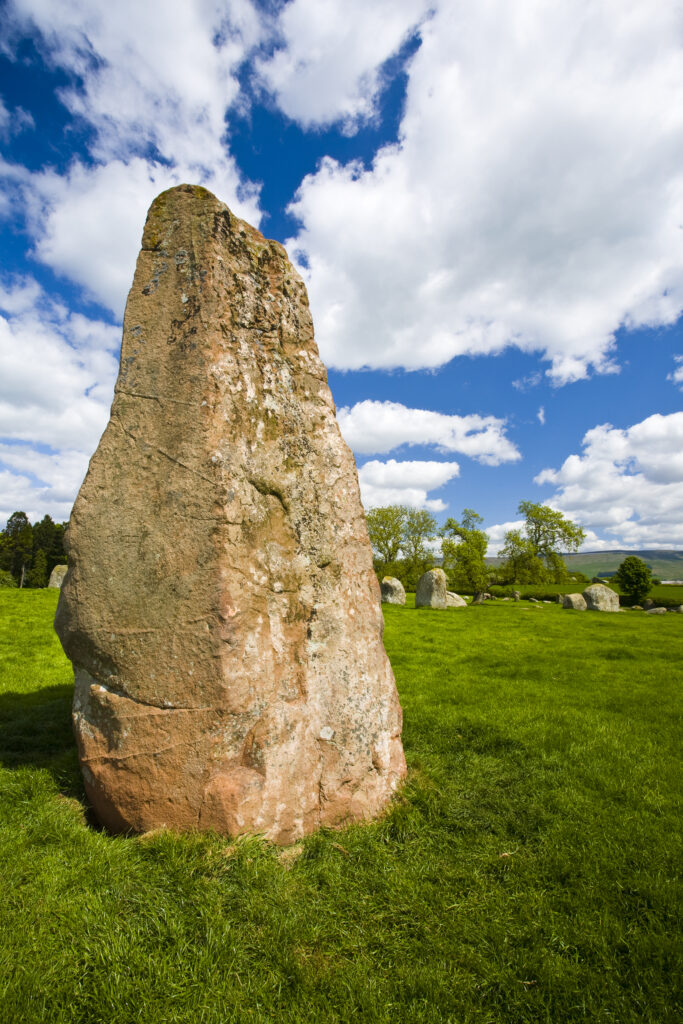
England, Cumbria, Little Salkeld. Long Meg and her daughters, one of the finest stone circles to be found in the north of England
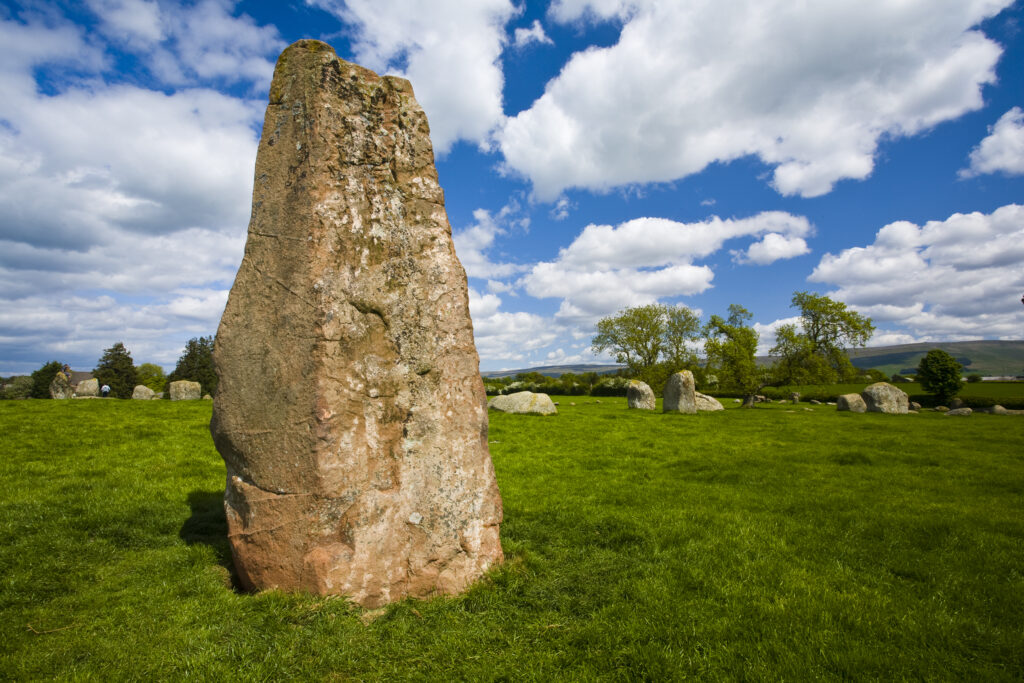
England, Cumbria, Little Salkeld. Long Meg and her daughters, one of the finest stone circles to be found in the north of England
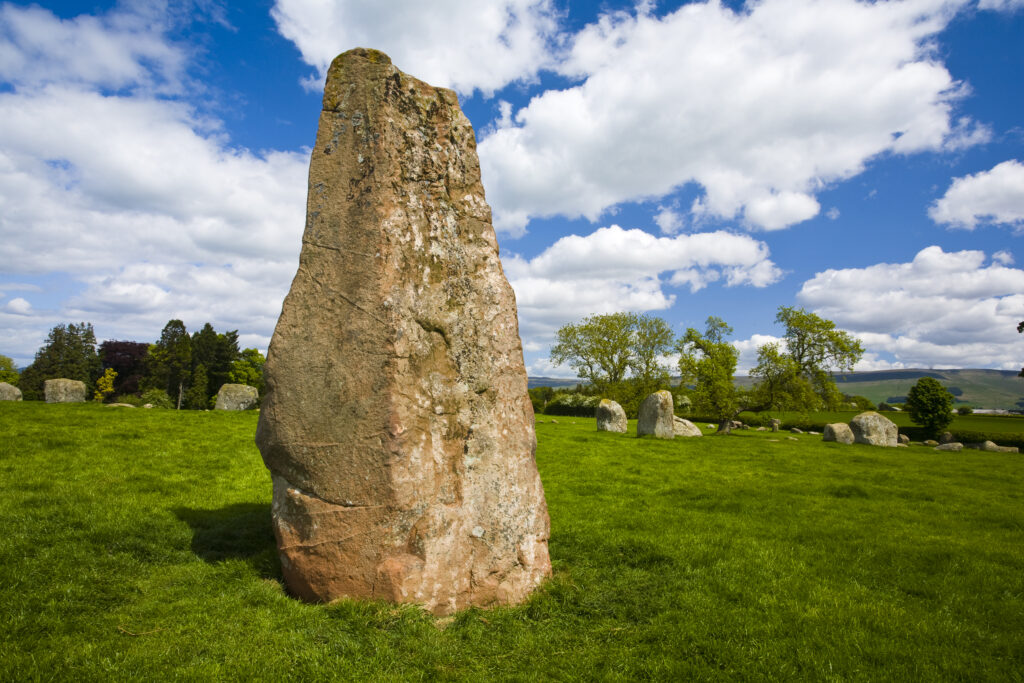
England, Cumbria, Little Salkeld. Long Meg and her daughters, one of the finest stone circles to be found in the north of England
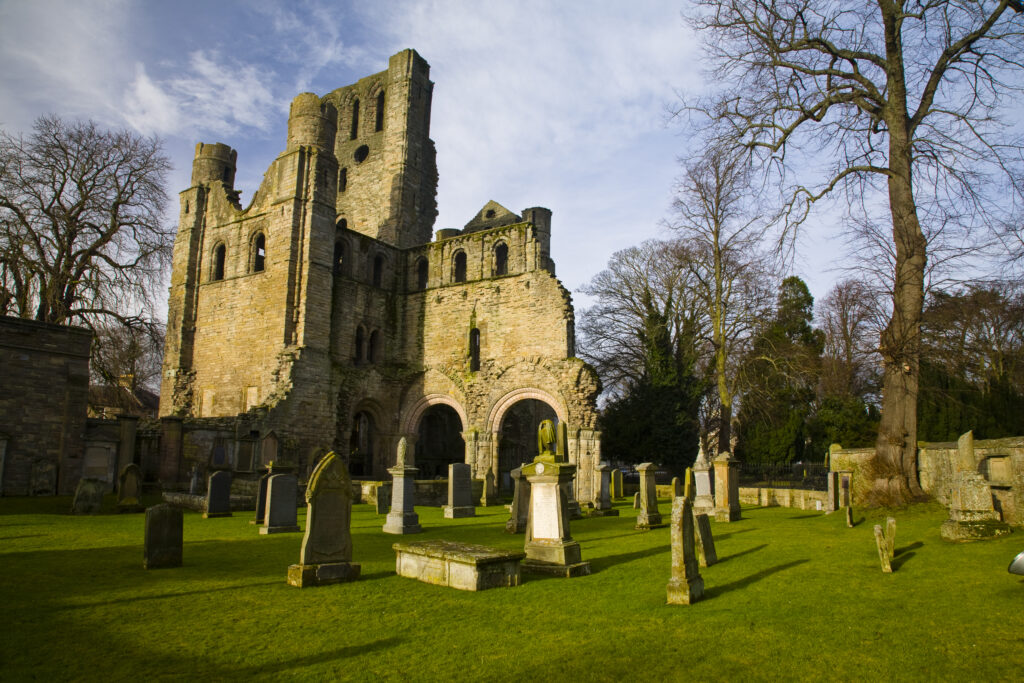
Scotland, Scottish Borders, Kelso. The dramatic ruins of Kelso Abbey. Sir Walter Scott described the architecture as the most beautiful in Scotland.
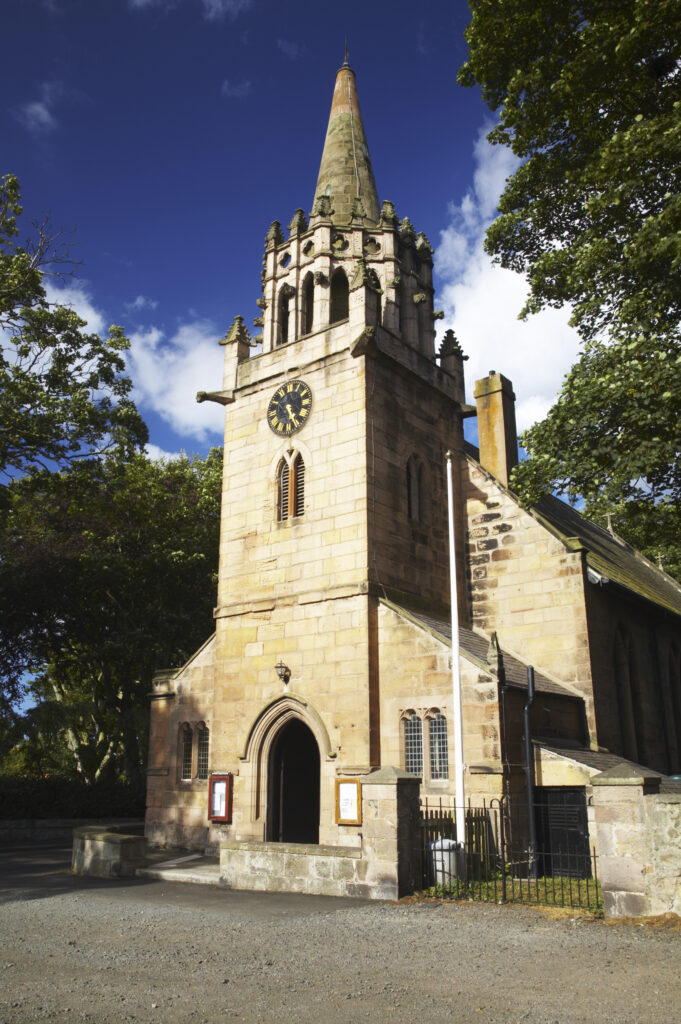
England, Northumberland, Beadnell. Beadnell church located in the village of Beadnell near the Northumberland heritage coast
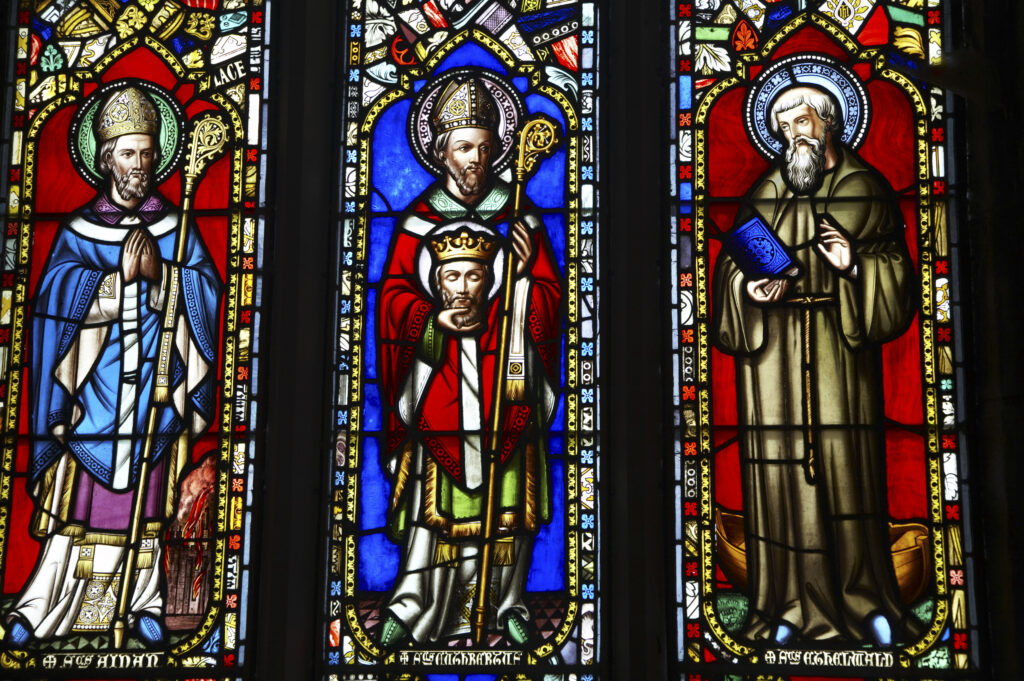
England Northumberland Farne Islands Stained glass in a church on the Farne Islands, part of the Northumberland Heritage Coast
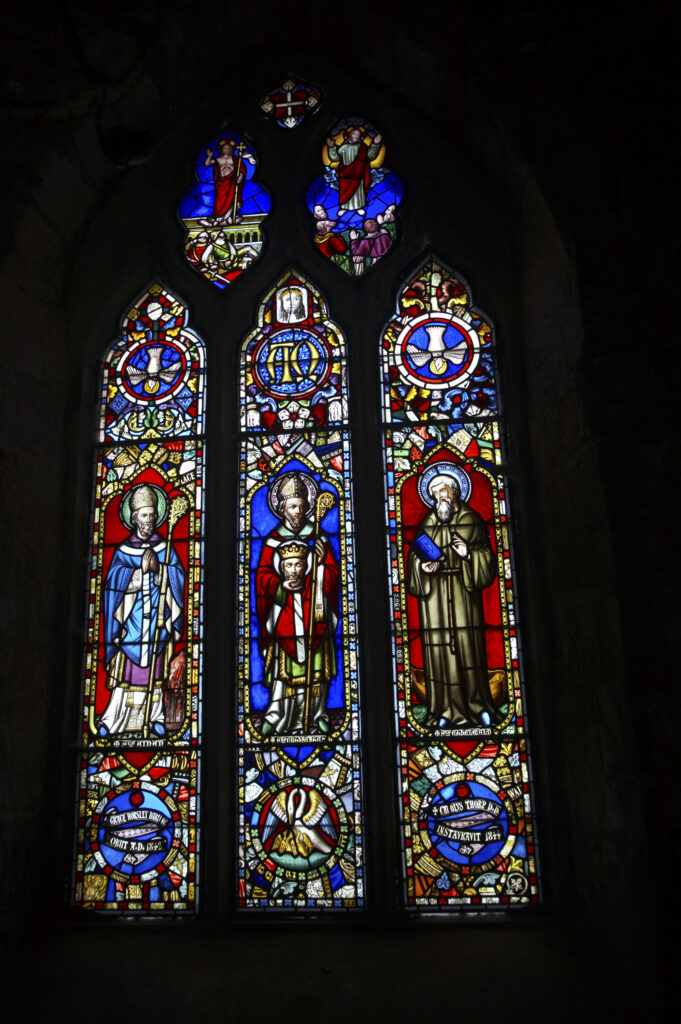
England Northumberland Farne Islands Stained glass in a church on the Farne Islands, part of the Northumberland Heritage Coast
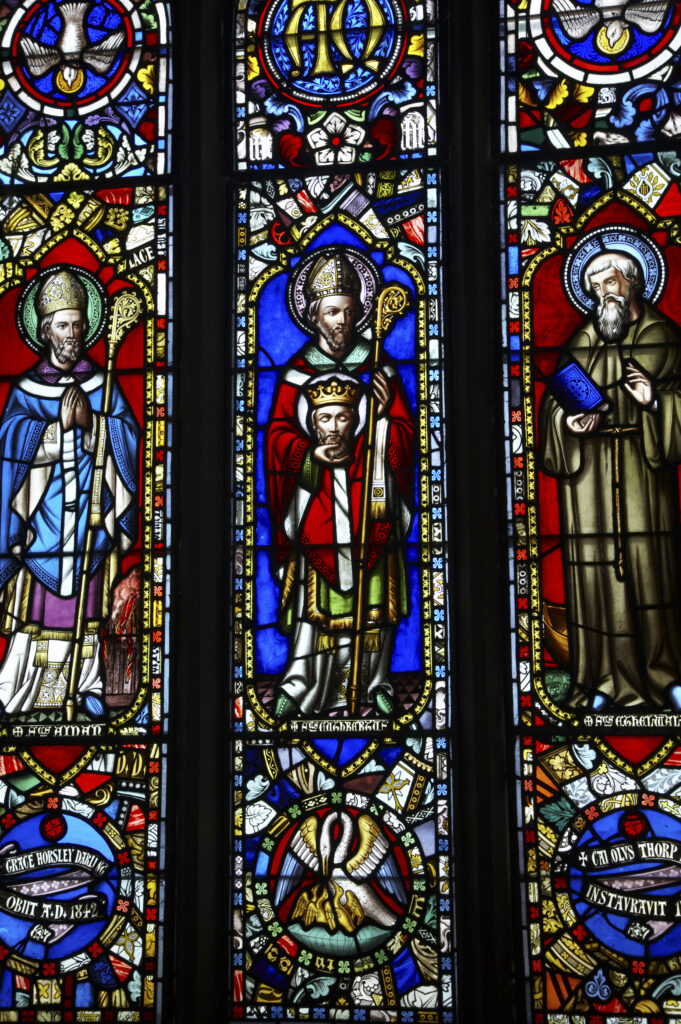
England Northumberland Farne Islands Stained glass in a church on the Farne Islands, part of the Northumberland Heritage Coast
Favourites
Photofeed
