
Your search for “church” returned 238 images.
Clear Search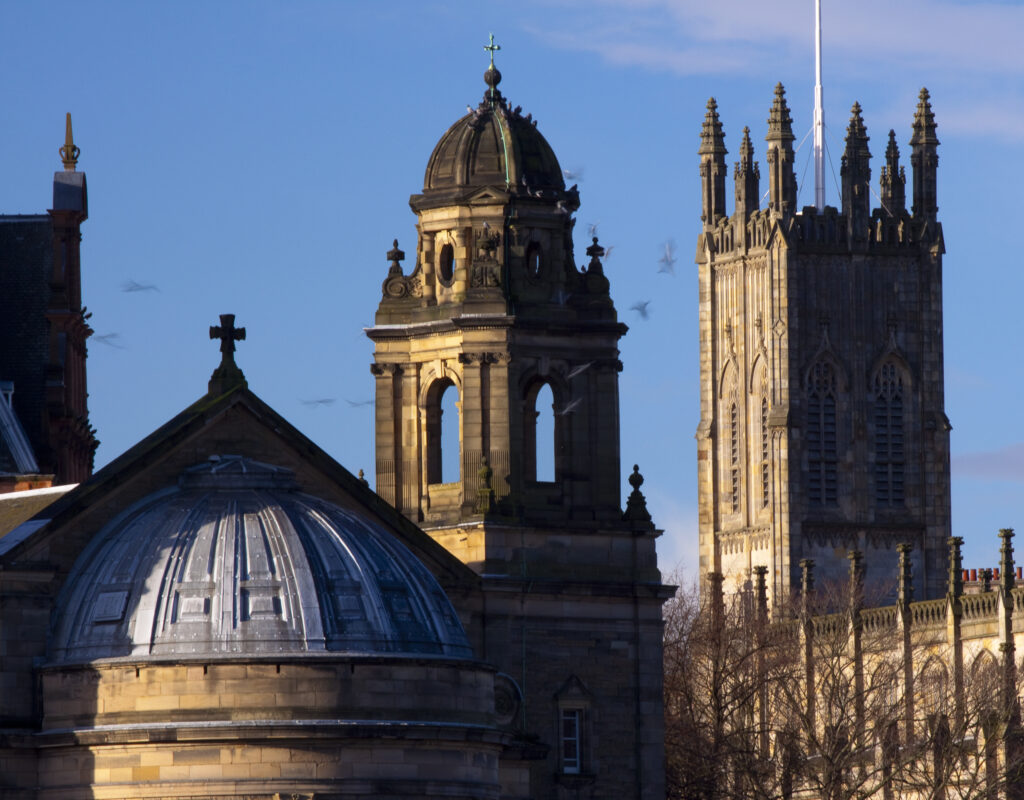
Scotland, Edinburgh, Edinburgh City. Birds flock around the Saint Cuthberts Parish Church and the gothic style Church of St John the Evangelist.
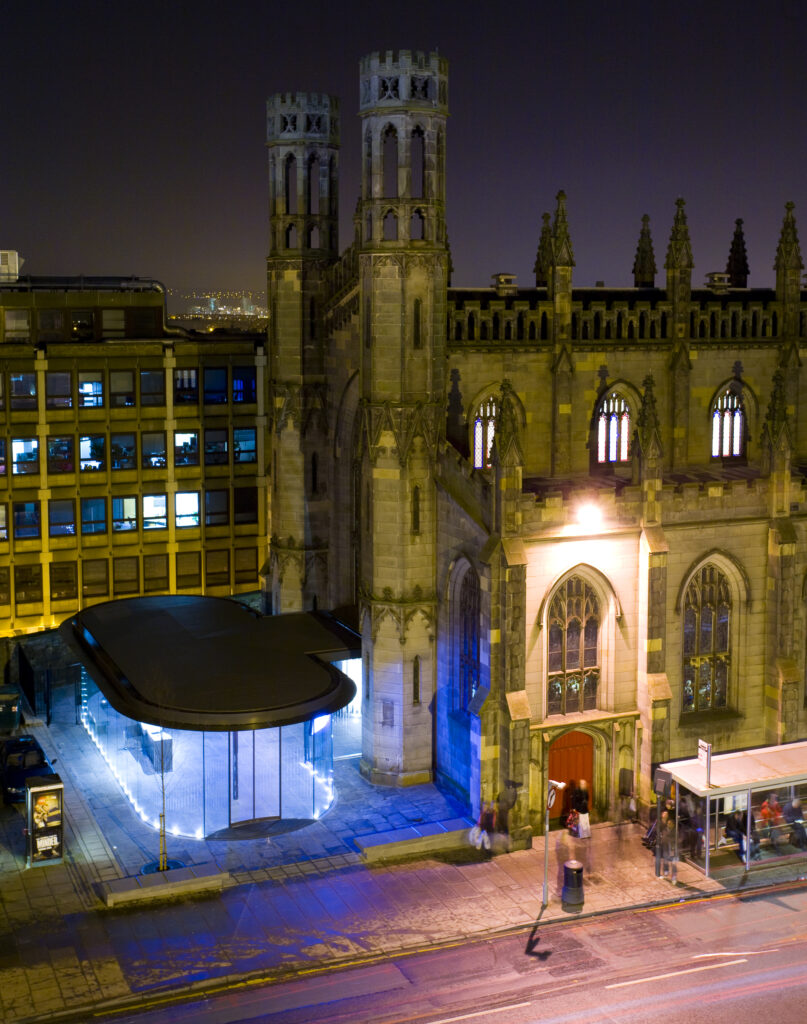
Scotland, Edinburgh, Edinburgh City. Modern pavilion designed to express the progressive attitudes of the St Paul’s and St George’s Church on York Place.
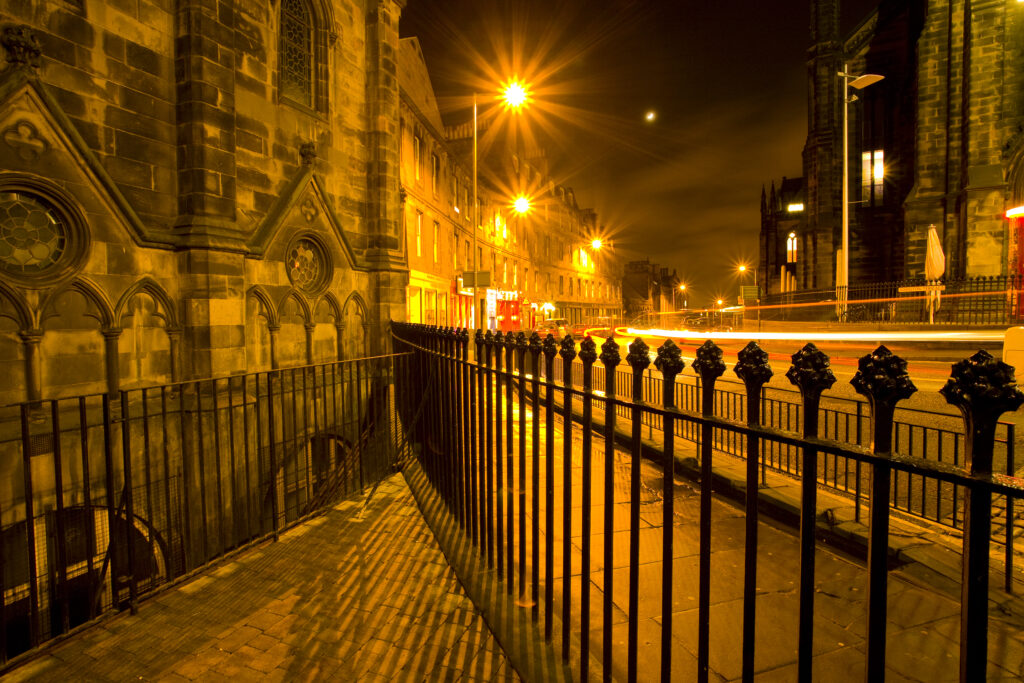
Scotland, Edinburgh, Old Town. St. Columba's Church, The Hub and Johnstone Terrace, near the Castle and the Royal Mile.
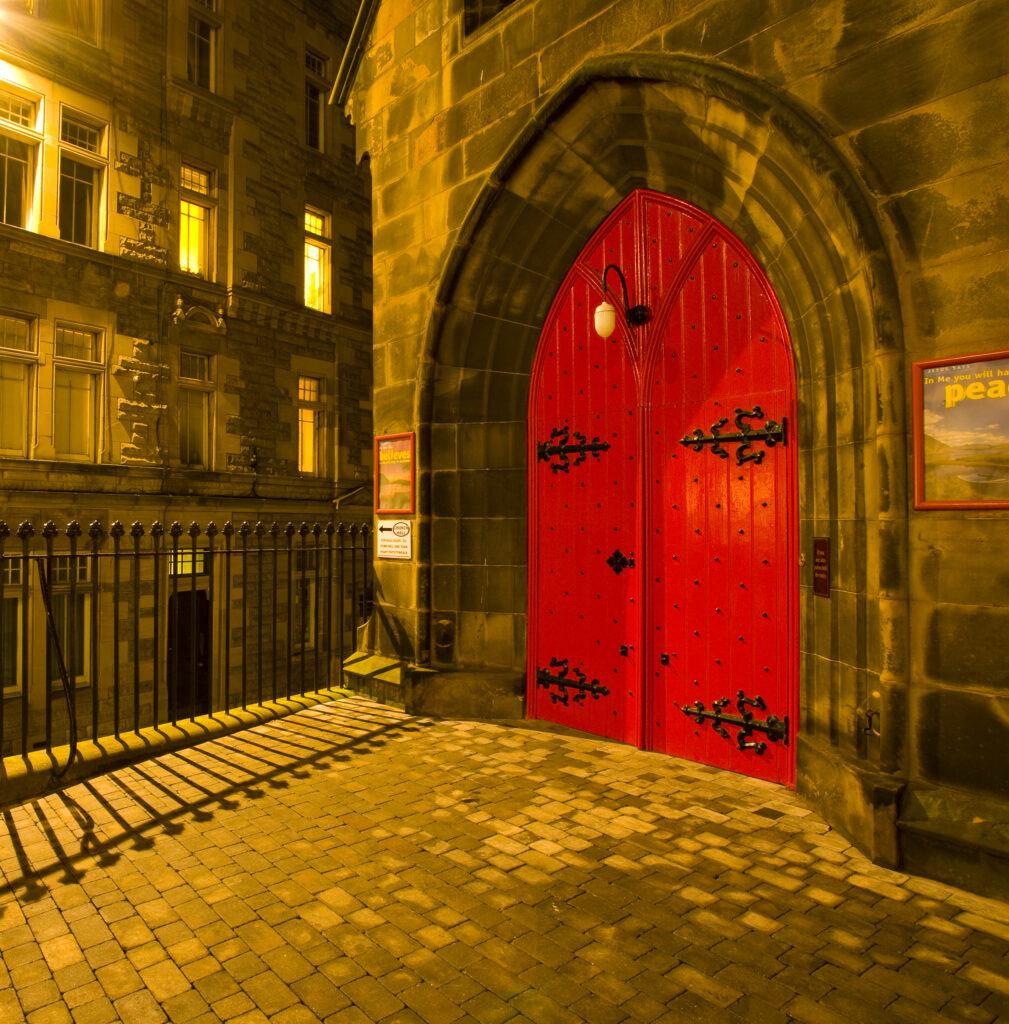
Scotland, Edinburgh, Old Town. Courtyard and doorway of the St. Columba's Church, known to many as St. Columba's by the Castle.
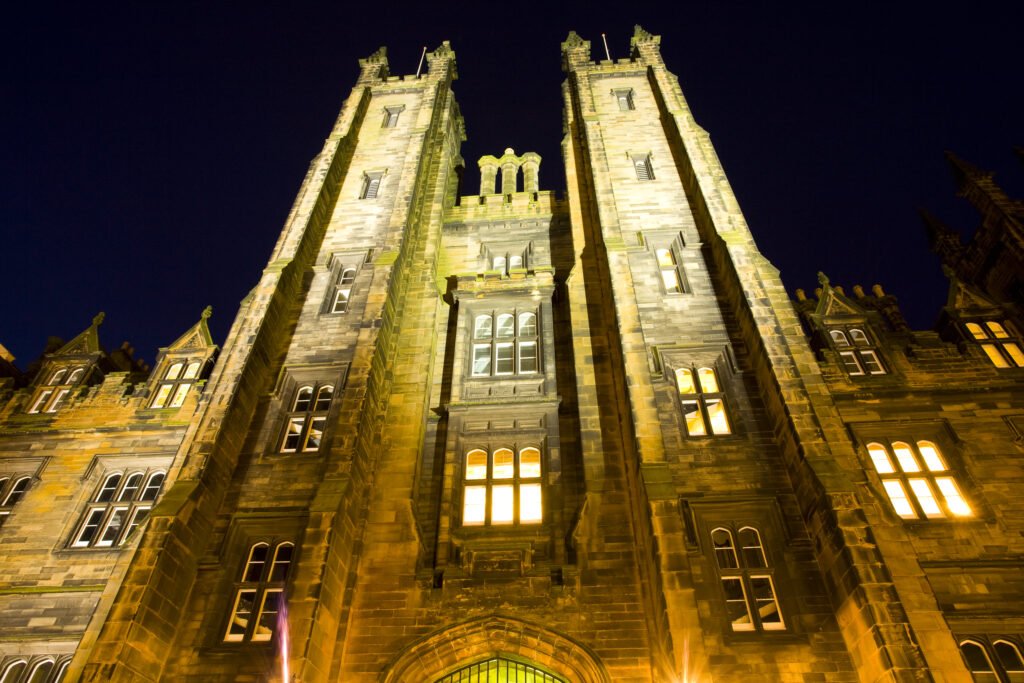
Scotland, Edinburgh, Old Town. The New College and Assembly Hall on the Mound were opened in 1846 as the Free Church of Scotland New College. More recently the Assembly Hall has been used as a debating chamber for the Scottish Parliament prior to the construction of the new Parliament Building at Holyrood.
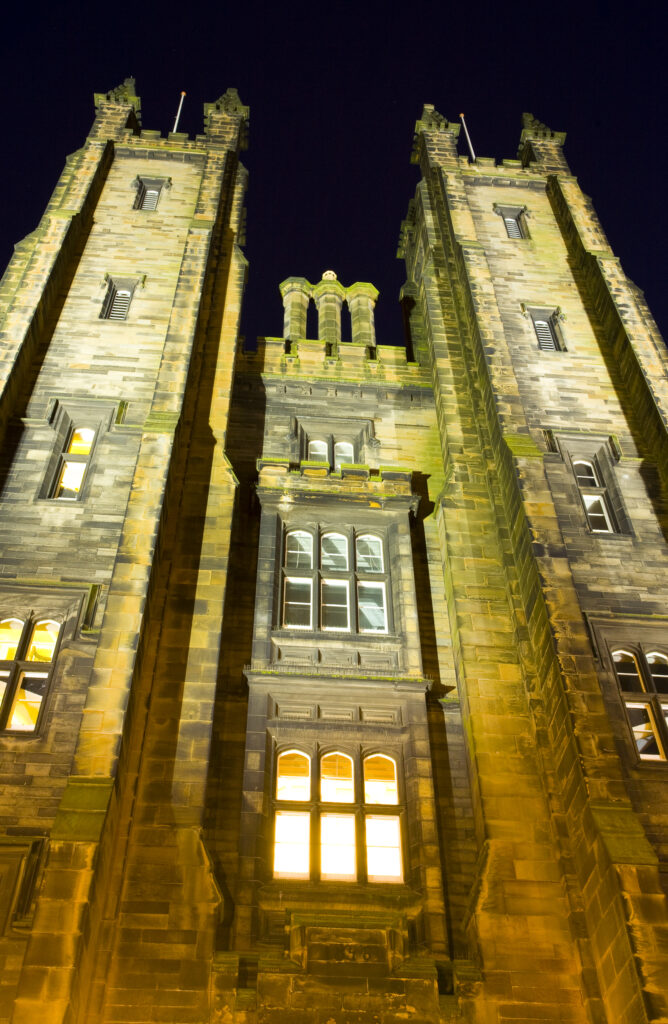
Scotland, Edinburgh, Old Town. The New College and Assembly Hall on the Mound were opened in 1846 as the Free Church of Scotland New College. More recently the Assembly Hall has been used as a debating chamber for the Scottish Parliament prior to the construction of the new Parliament Building at Holyrood.
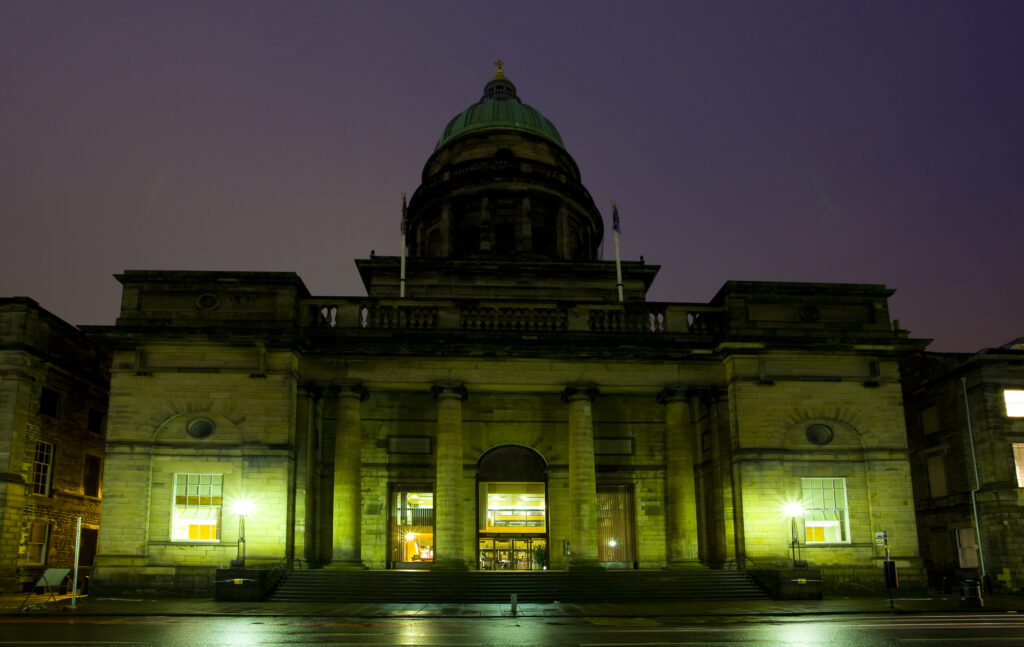
Scotland, Edinburgh, New Town. Originally opened as a church in 1814, the West Register House became a branch of the Scottish Record Office in 1968.
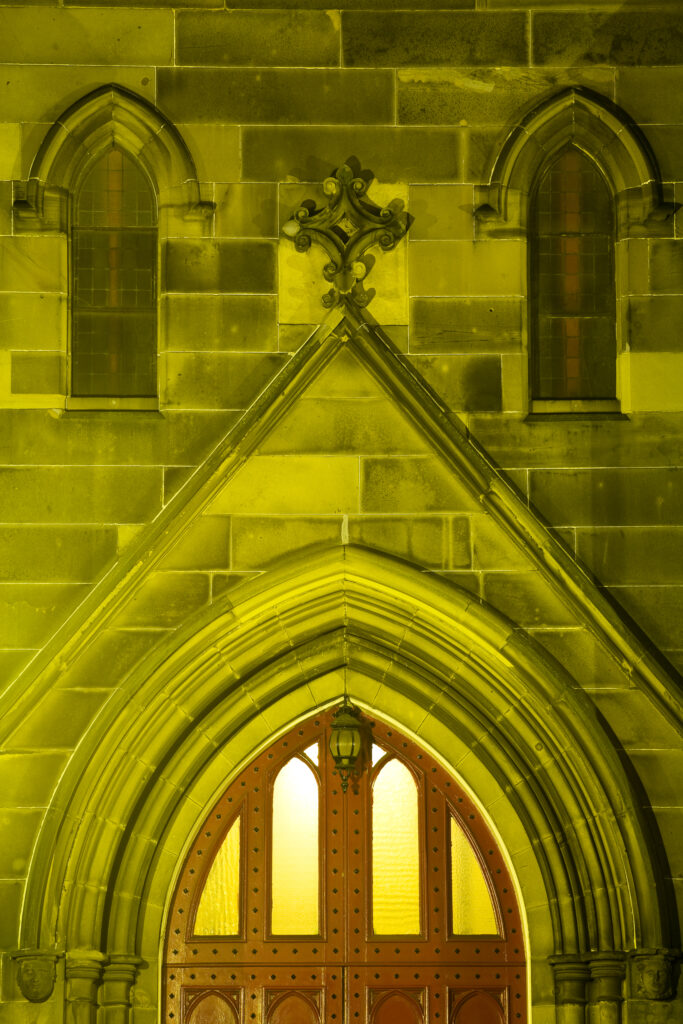
Scotland, Edinburgh, Edinburgh City. Frontage of a church along the Georgian Calton Terraces, designed by William Henry Playfair.
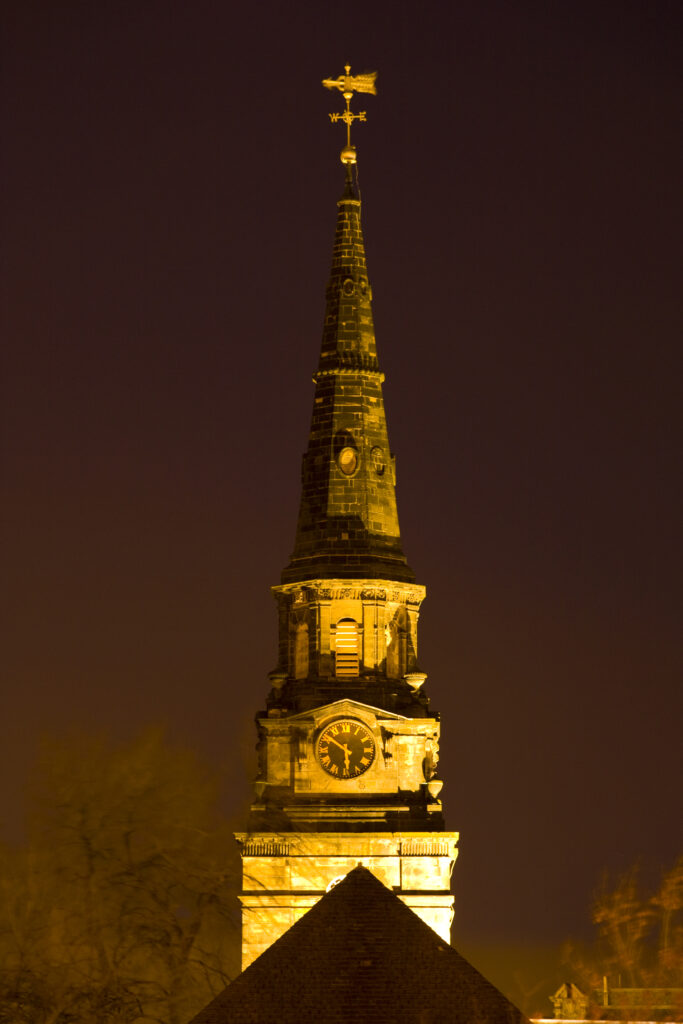
Scotland, Edinburgh, Edinburgh City. Spire of the Church of St. John the Evangelist
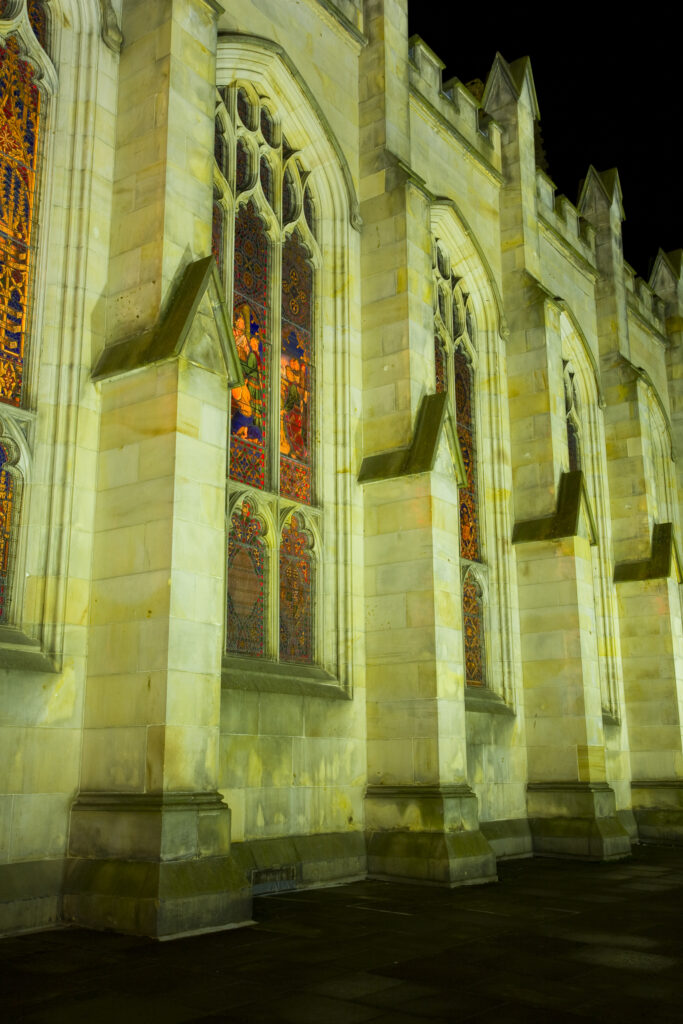
Scotland, Edinburgh, Princes Street. The foundations for the Gothic style Church of St. John the Evangelist were laid in March 1816, with the building finally consecrated in 1818.
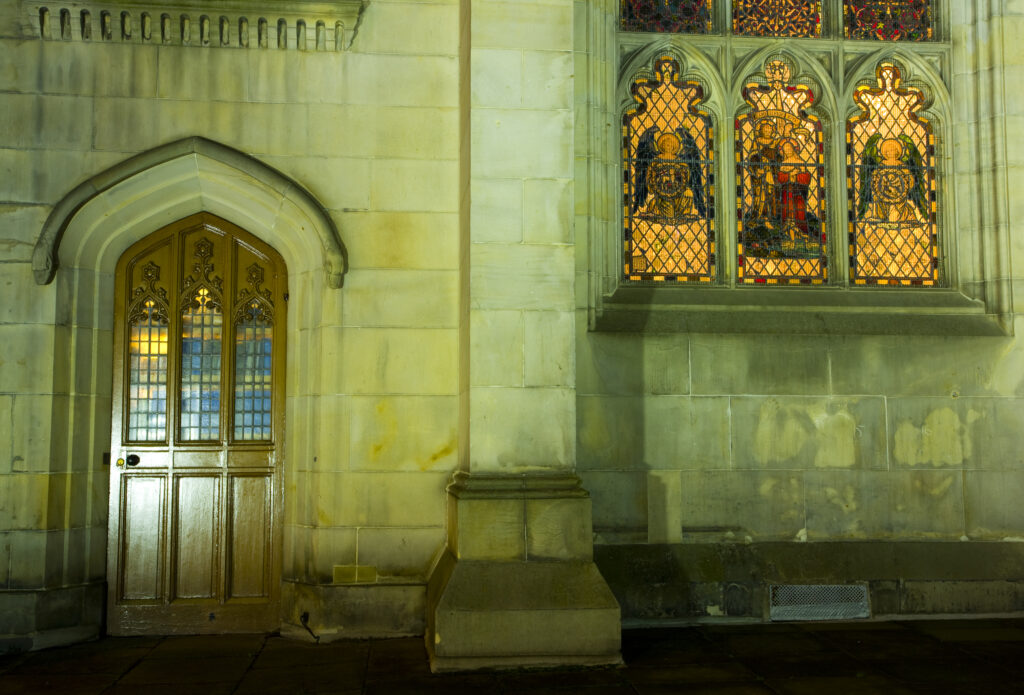
Scotland, Edinburgh, Princes Street. The foundations for the Gothic style Church of St. John the Evangelist were laid in March 1816, with the building finally consecrated in 1818.
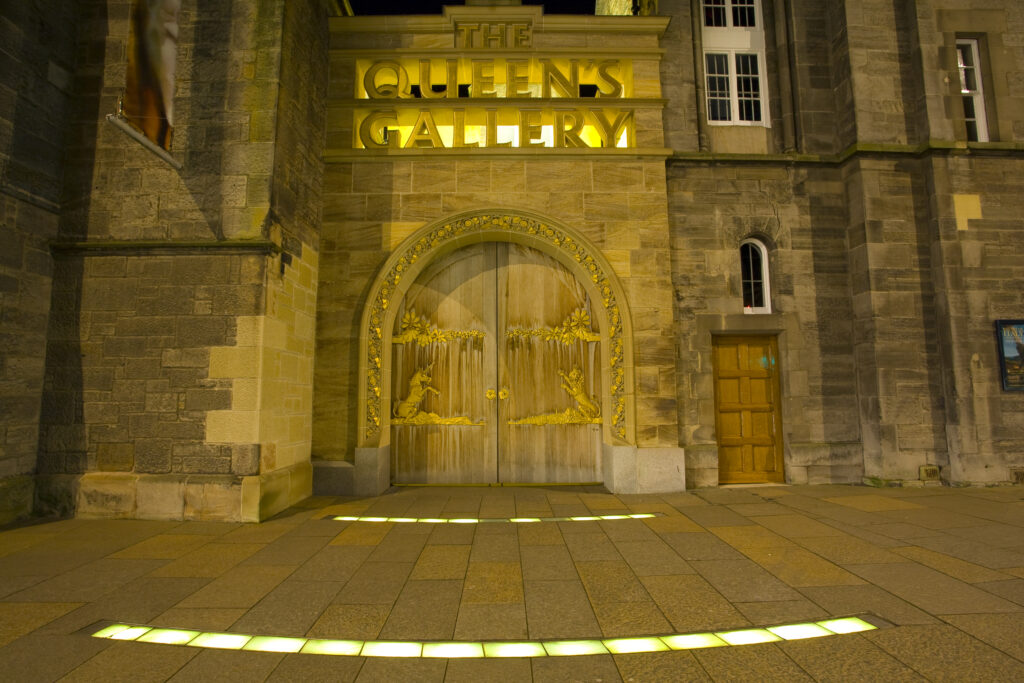
Scotland, Edinburgh, Queen's Gallery. The Queen's Gallery, originally built as the Holyrood Free Church, which forms part of the Palace of Holyroodhouse Complex.
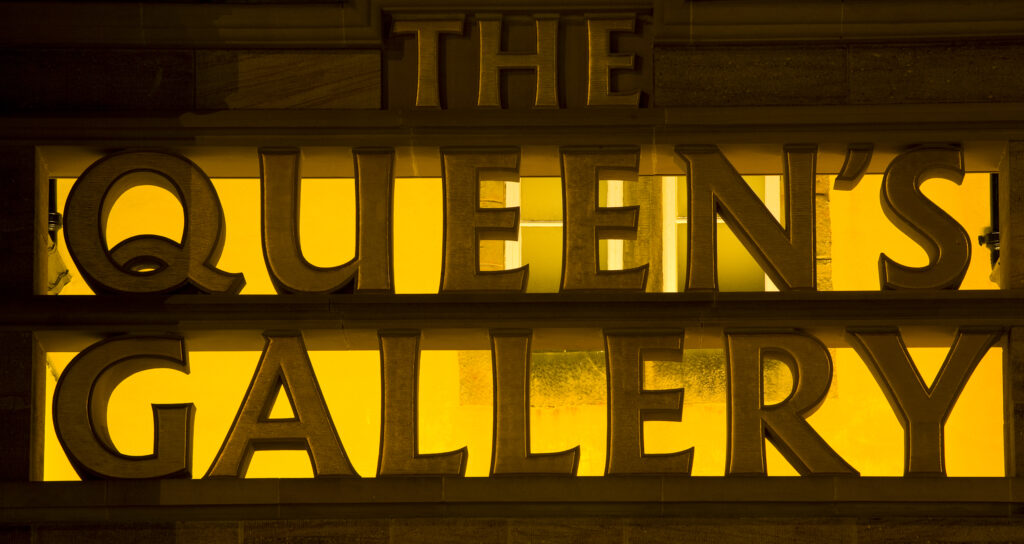
Scotland, Edinburgh, Queen's Gallery. The Queen's Gallery, originally built as the Holyrood Free Church, which forms part of the Palace of Holyroodhouse Complex.
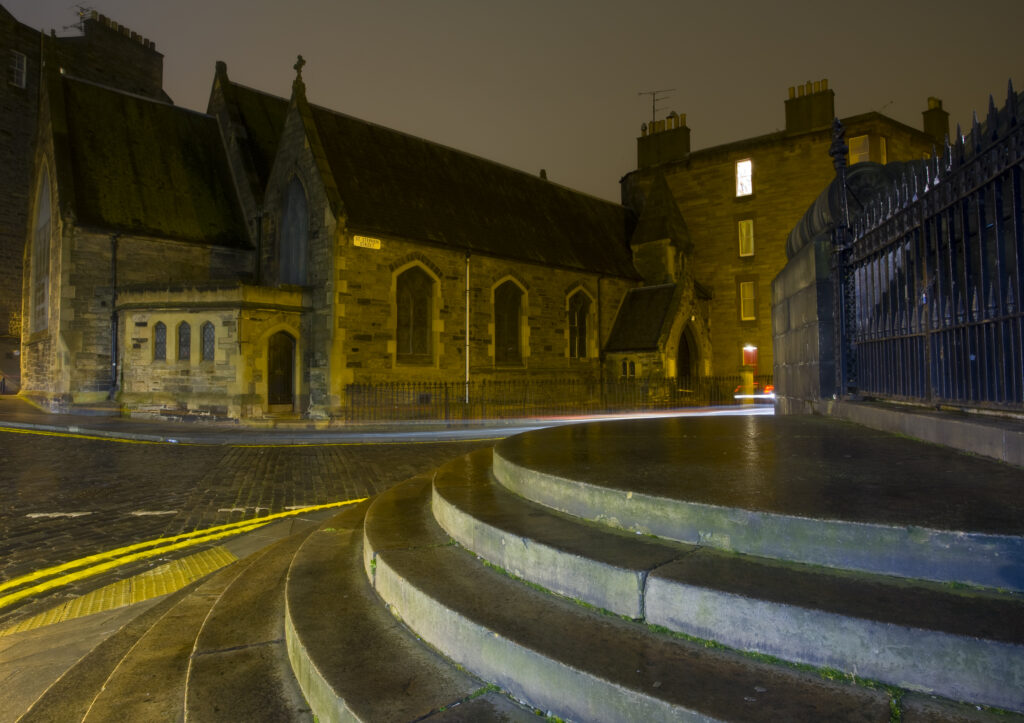
Scotland, Edinburgh, St Stephen's Church. Grand steps forming the entrance to St Stephen's Church.
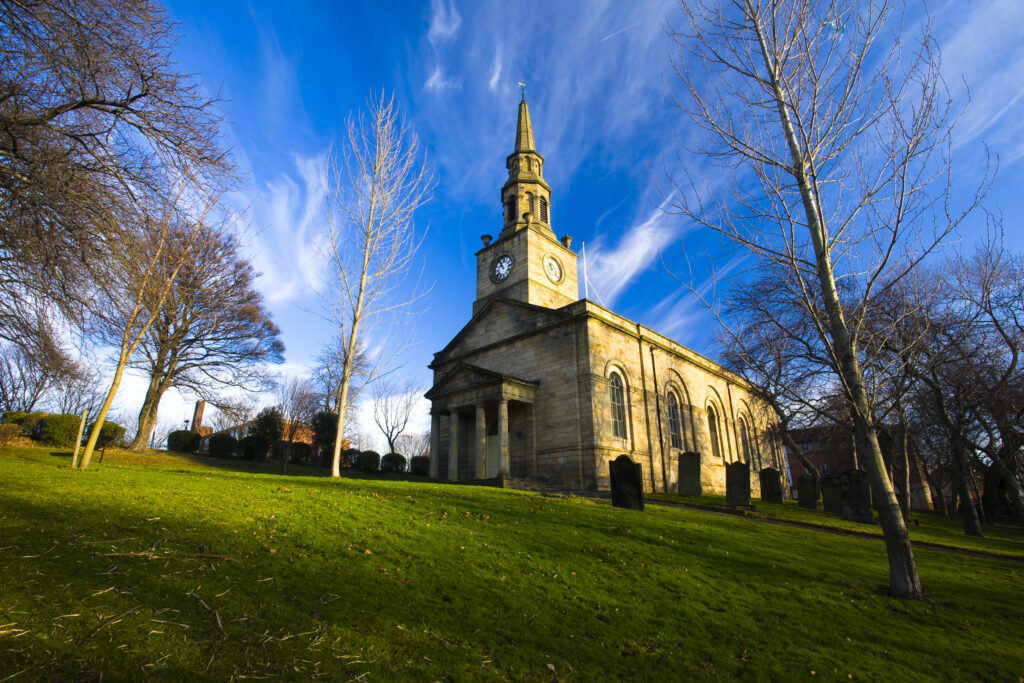
England, Tyne and Wear, Newcastle Upon Tyne. St Anns Church was originally set in fields overlooking the East Quayside. The church became famous for the distribution of hot soup to the unemployed during the winters of 1908 – 1910 by the vicar, Bernard East.
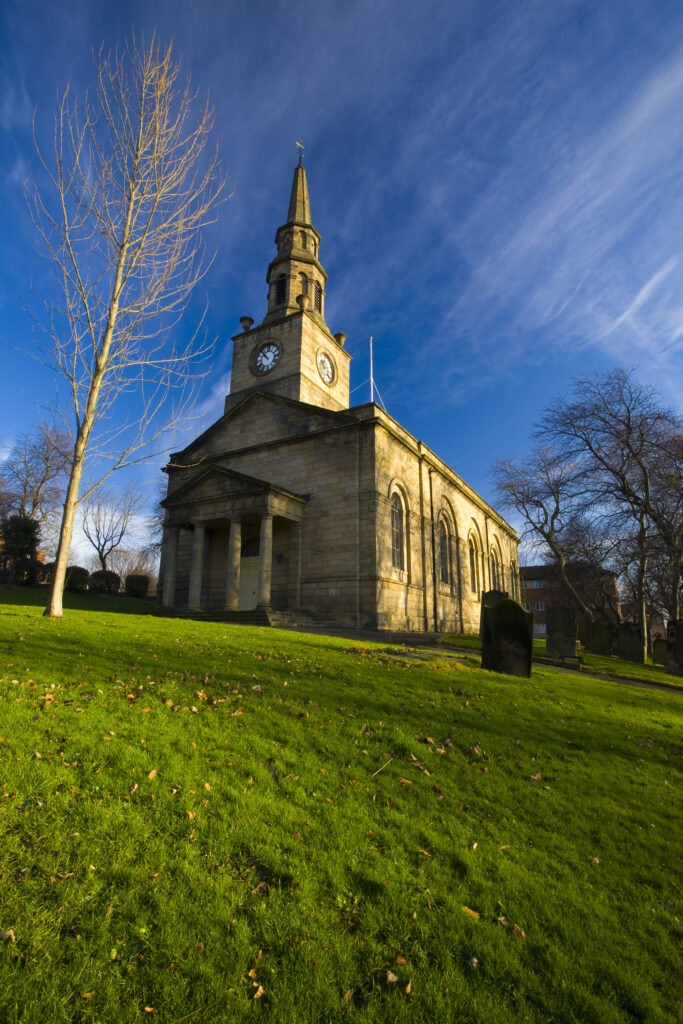
England, Tyne and Wear, Newcastle Upon Tyne. St Anns Church was originally set in fields overlooking the East Quayside. The church became famous for the distribution of hot soup to the unemployed during the winters of 1908 – 1910 by the vicar, Bernard East.
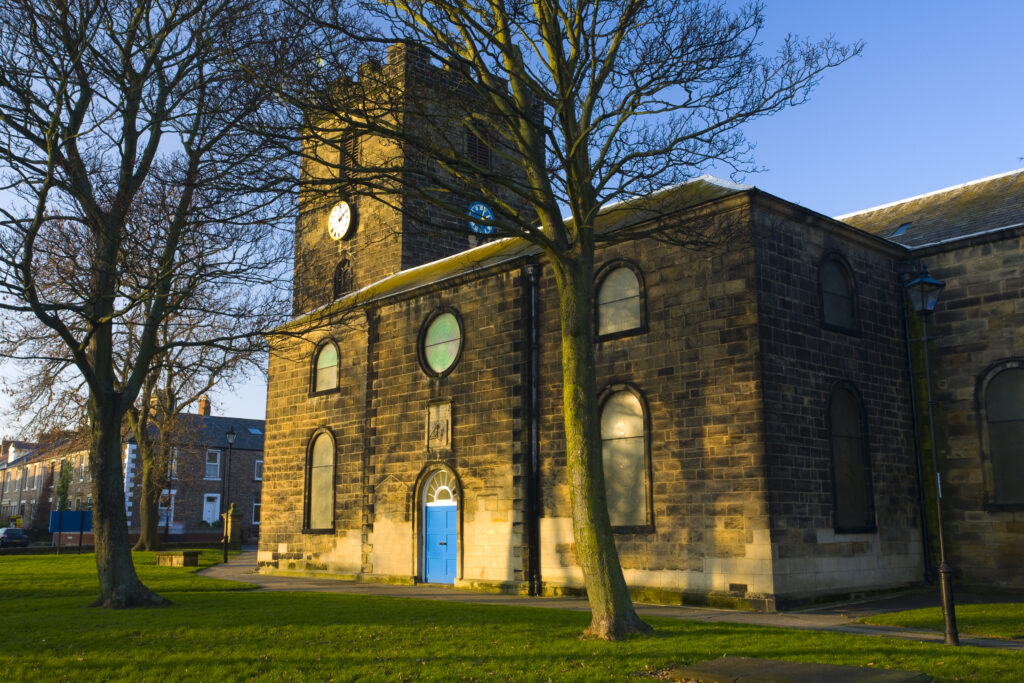
England, Tyne & Wear, North Shields. Christ Church, the parish church of North Shields, was originally built in 1658 before being rebuilt in sandstone in 1792.
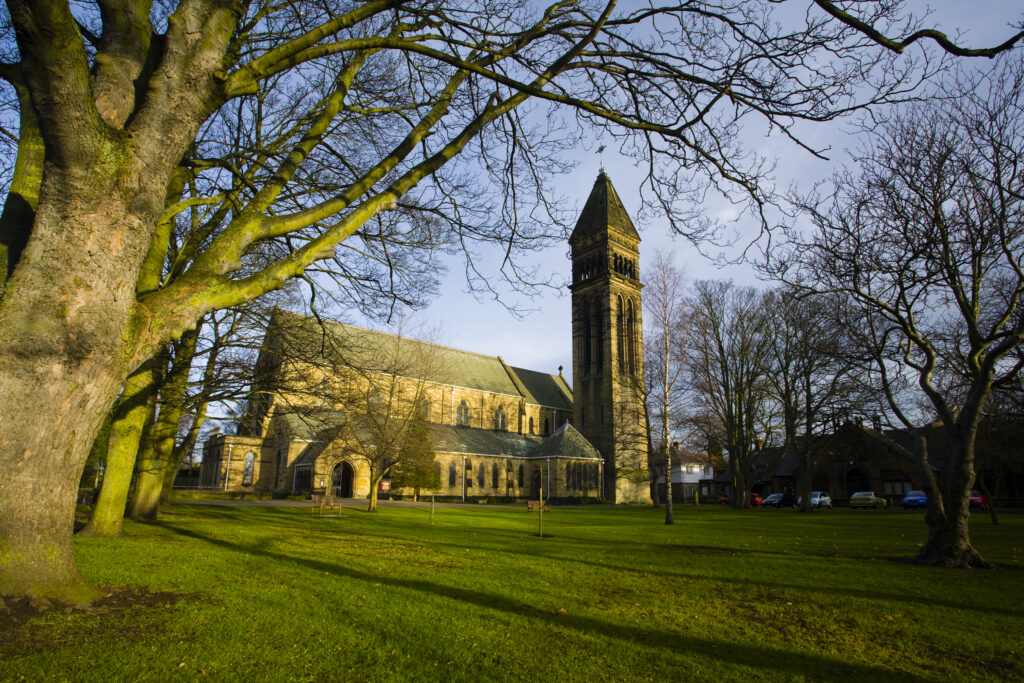
England, Tyne & Wear, Jesmond. The Grade I listed Parish Church of St George in Jesmond, is a fine example of Victorian art and architecture.
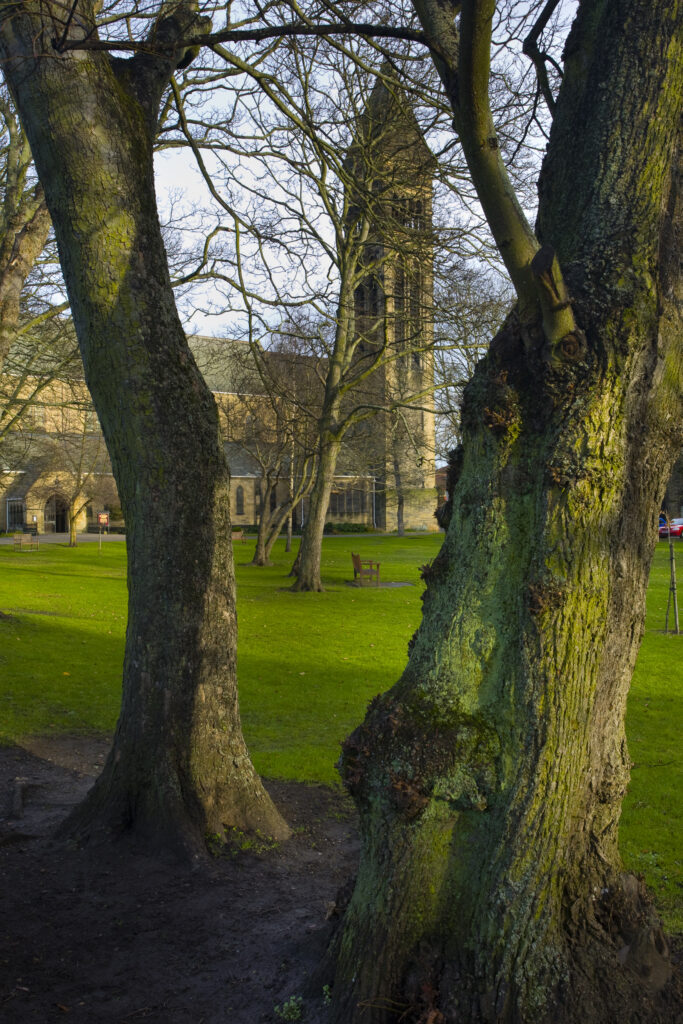
England, Tyne & Wear, Jesmond. The Grade I listed Parish Church of St George in Jesmond, is a fine example of Victorian art and architecture.
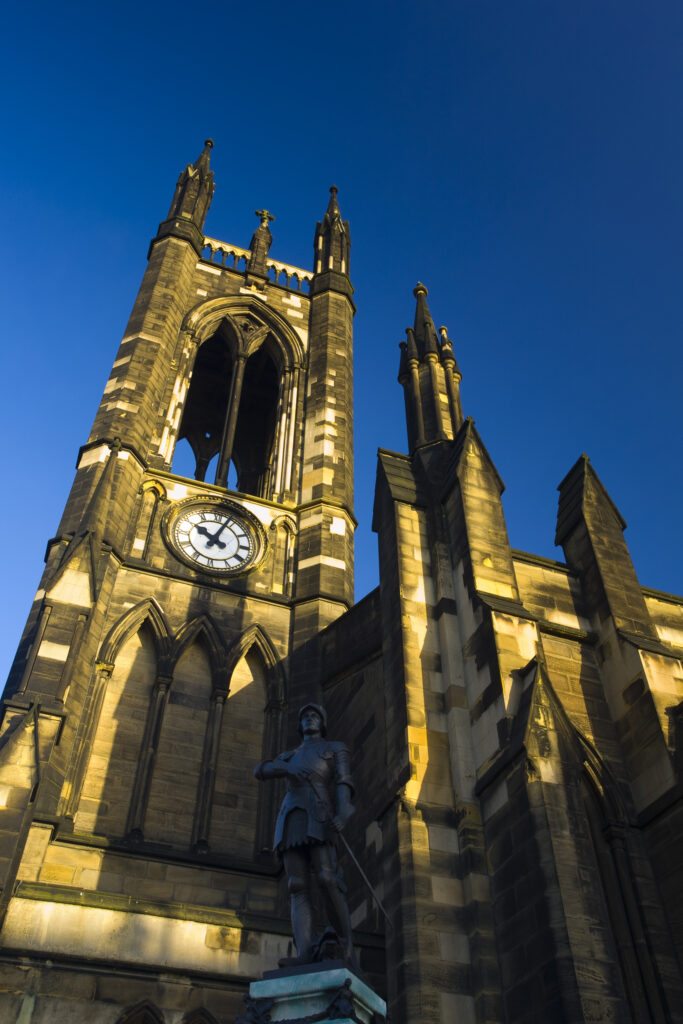
England, Tyne & Wear, Newcastle Upon Tyne. The St. thomas' church near the Haymarket of Newcastle Upon Tyne, was built in 1839 upon the site of St. Mary Magdalene, a former 12th century Leper Hospital.
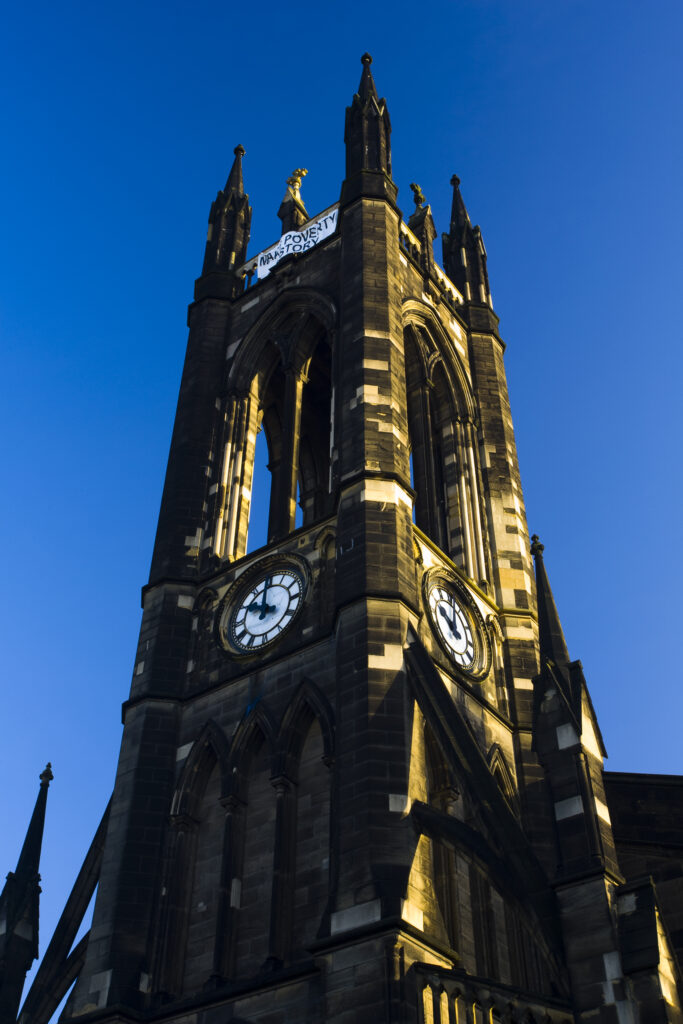
England, Tyne & Wear, Newcastle Upon Tyne. The St. thomas' church near the Haymarket of Newcastle Upon Tyne, was built in 1839 upon the site of St. Mary Magdalene, a former 12th century Leper Hospital.
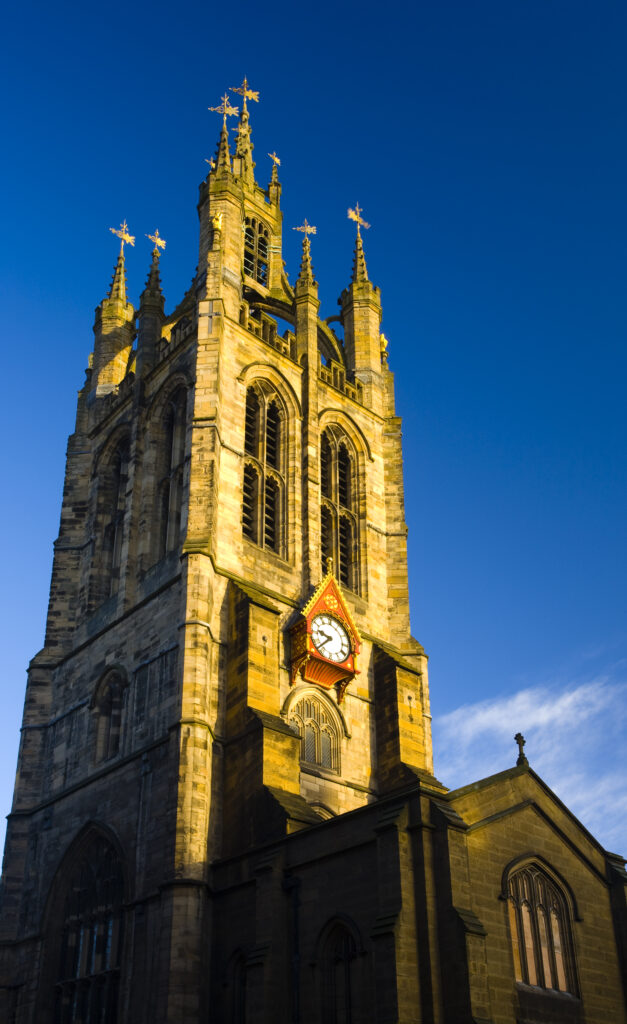
England, Tyne & Wear, Newcastle Upon Tyne. The Cathedral Church of St. Nicholas in Newcastle upon Tyne was originally the fourth largest parish church to be found in England before becoming a cathedral on the 25th July 1882.
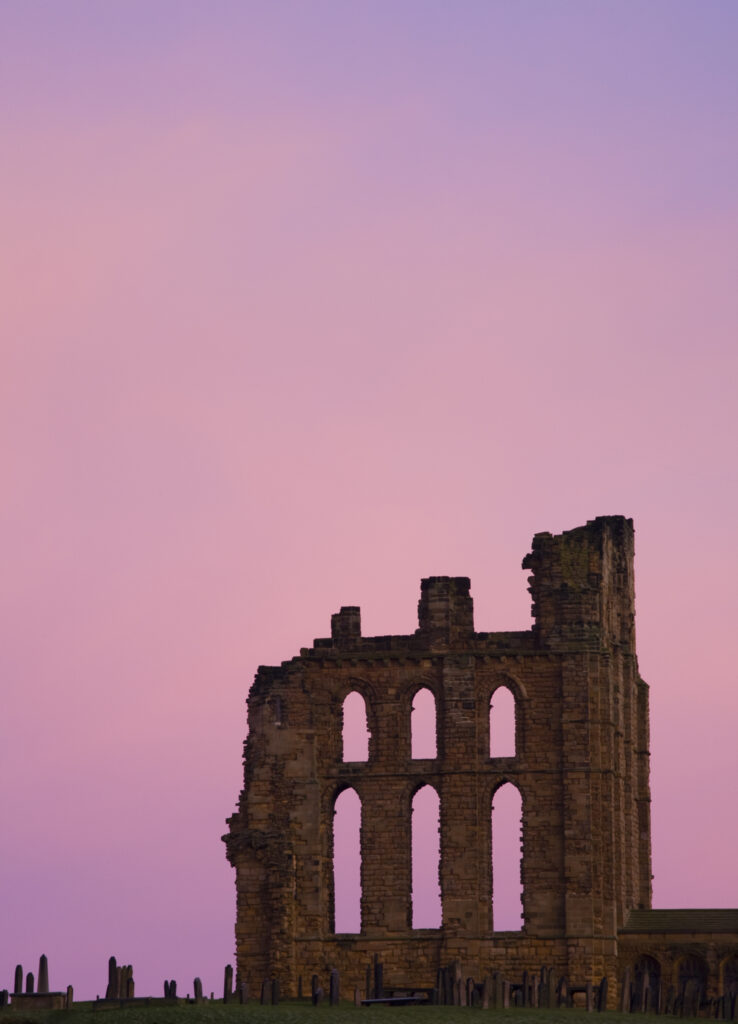
England, Tyne & Wear, Tynemouth. East end of the Tynemouth Priory Church (National Trust), located upon headland between the River Tyne and the North Sea.
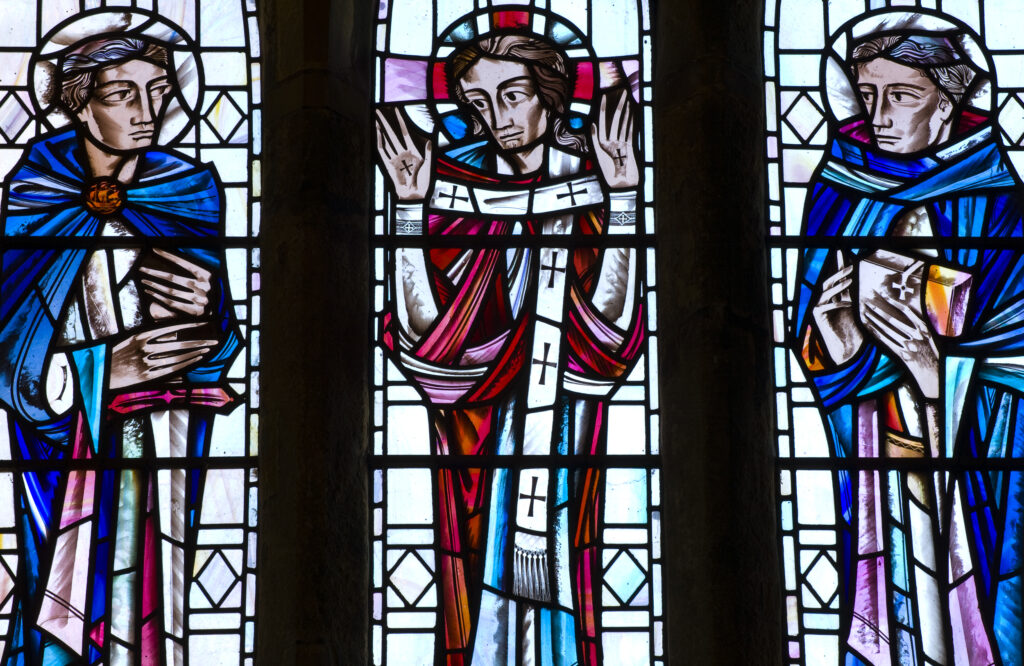
East wall stained glass window in the Chancel depicting St Paul, Risen Christ and the Venerable Bede.
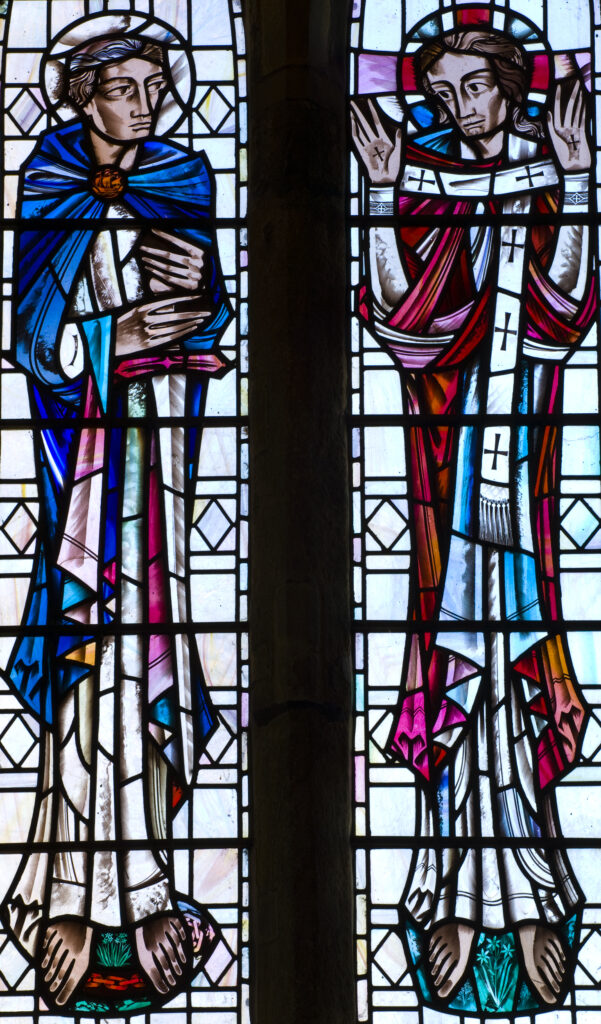
England, Tyne and Wear, St Pauls Monastery and church. East wall stained glass window in the Chancel depicting St Paul and the Risen Christ.
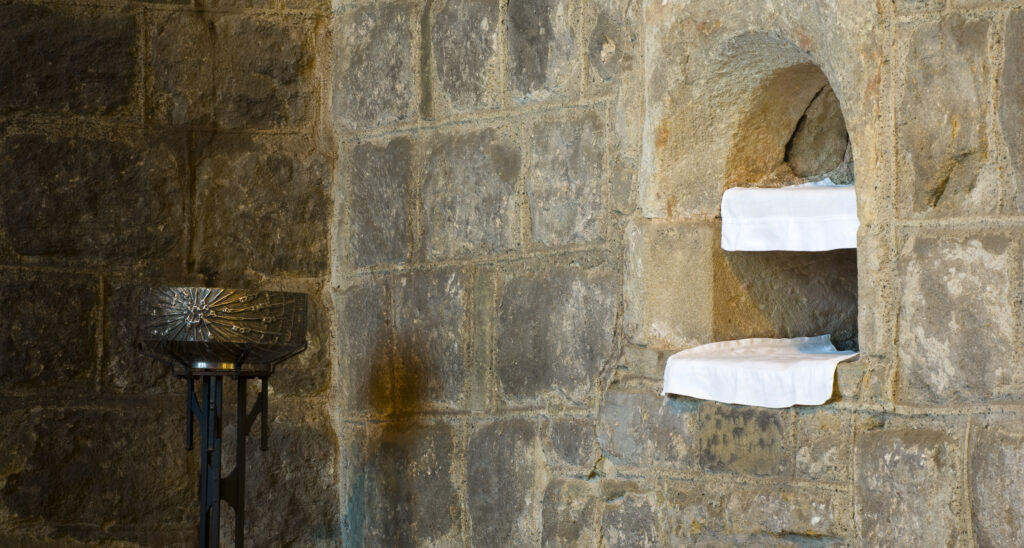
England, Tyne and Wear, St Pauls Monastery and church. Saxon Aumbry in the Sanctuary at St Pauls church near Jarrow, a 7th Century monastery founded in AD 681.
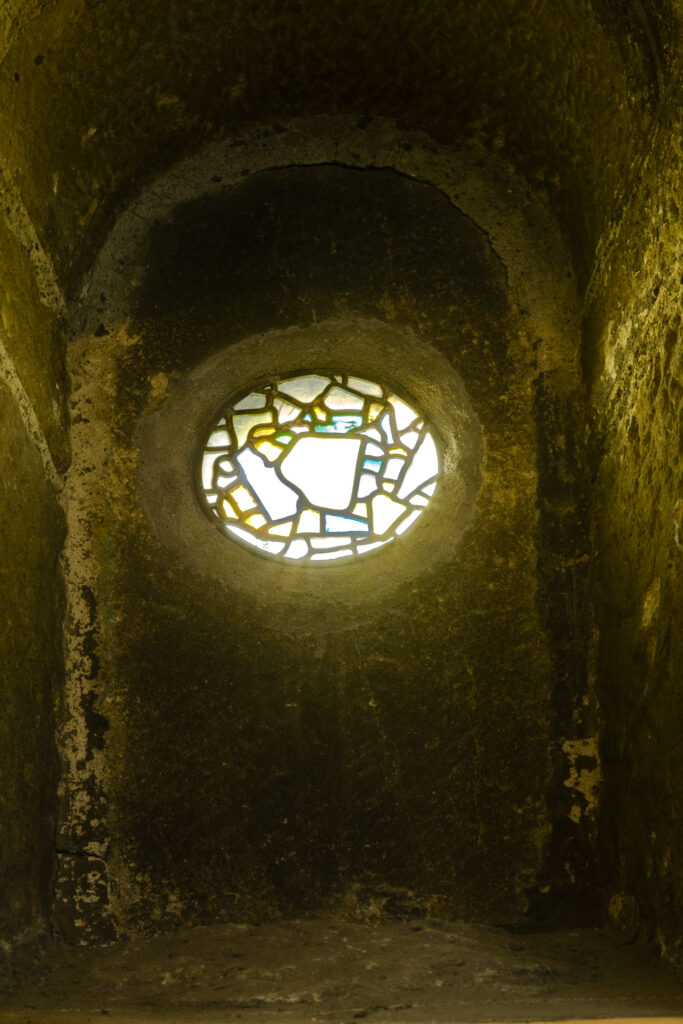
England, Tyne and Wear, St Pauls Monastery and church. Stained glass window in the Chancel at St Pauls Church near Jarrow. This window is the oldest stain glass window in western europe.
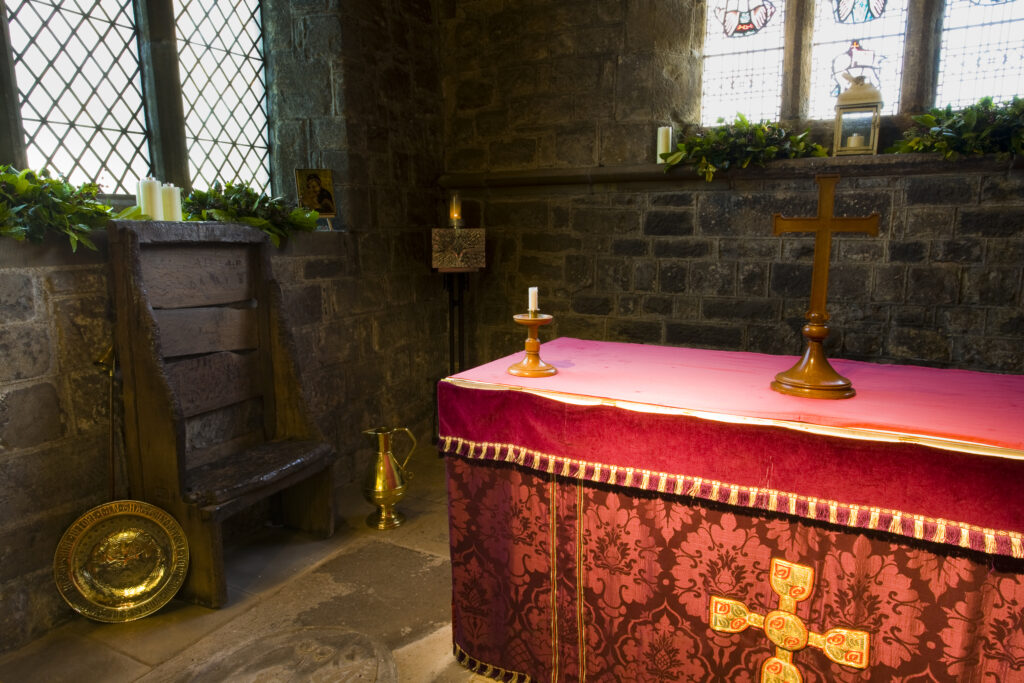
England, Tyne and Wear, St Pauls Monastery and church. Bedes Chair, Altar, Altar Cross and Candlesticks in the Sanctuary at St Pauls church near Jarrow, a 7th Century monastery founded in AD 681.
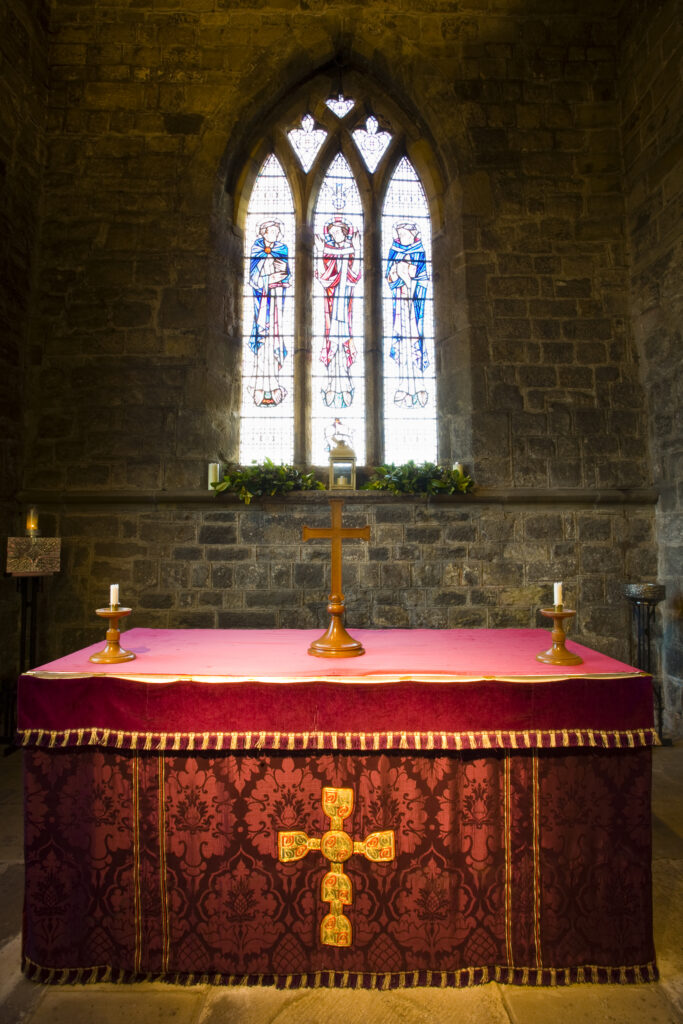
England, Tyne and Wear, St Pauls Monastery and church. Altar, Altar Cross and Candlesticks in the Sanctuary at St Pauls church near Jarrow, a 7th Century monastery founded in AD 681.
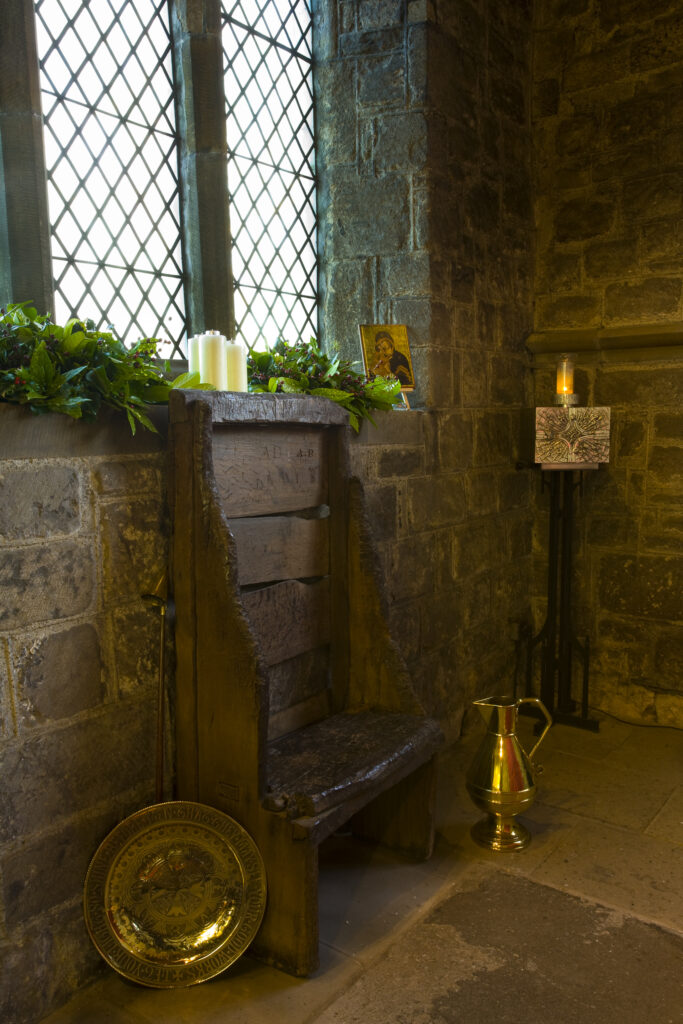
Bedes chair, an ancient oak seat between 800 to 1100 years presumed to have belonged to the venerable Bede.
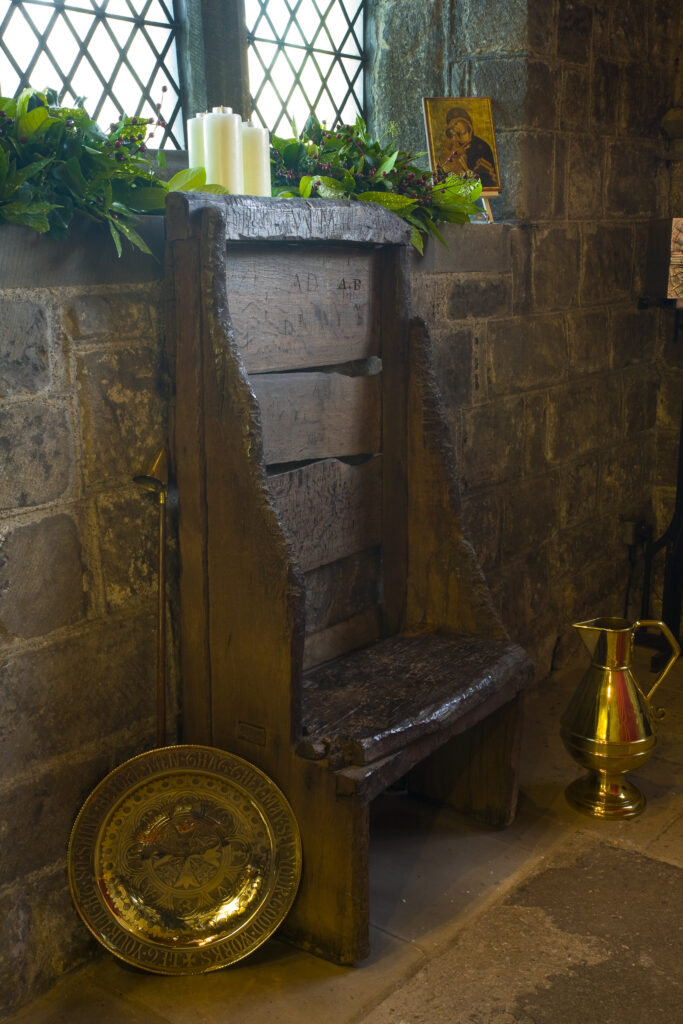
England, Tyne and Wear, St Pauls Monastery and church. Bedes chair, an ancient oak seat between 800 to 1100 years presumed to have belonged to the venerable Bede.
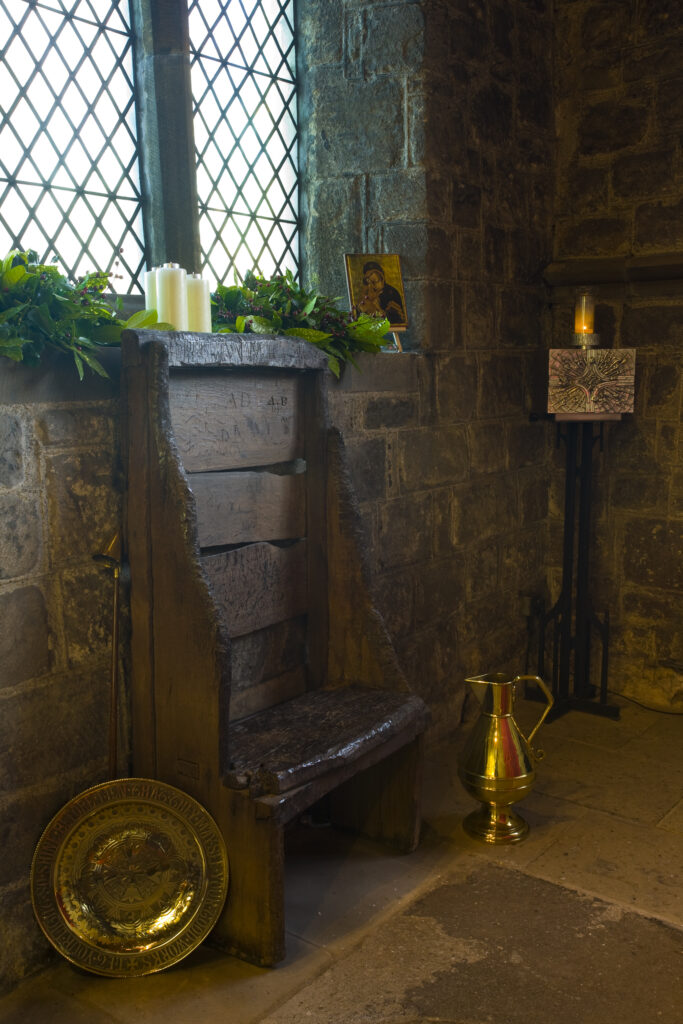
England, Tyne and Wear, St Pauls Monastery and church. Bedes chair, an ancient oak seat between 800 to 1100 years presumed to have belonged to the venerable Bede.
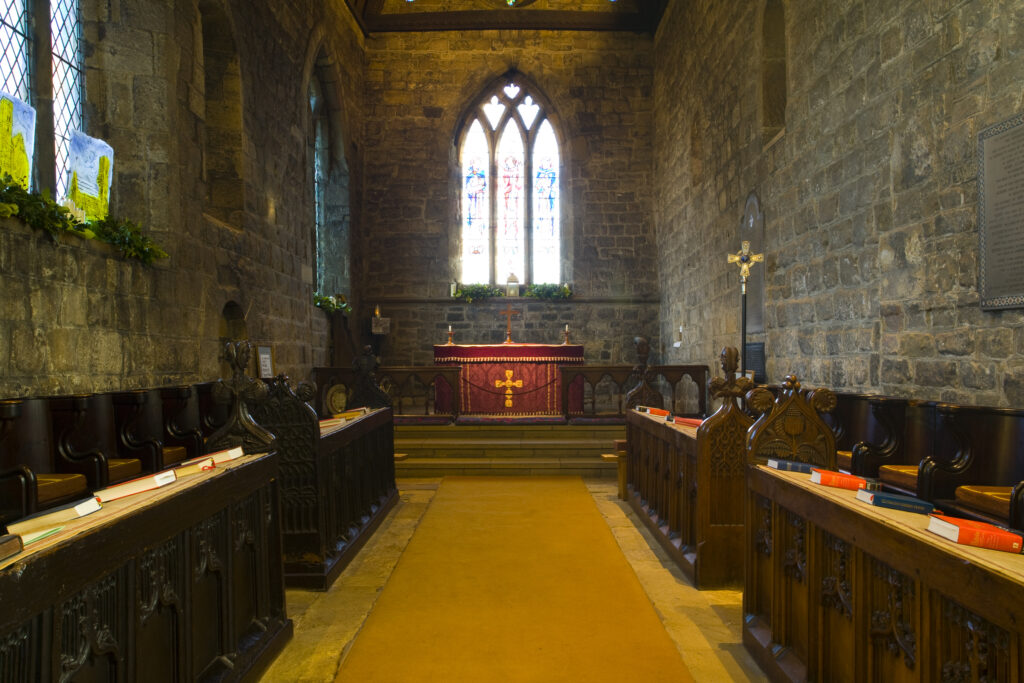
England, Tyne and Wear, St Pauls Monastery and church. The Chancel at St Pauls church near Jarrow, a 7th Century monastery founded in AD 681.
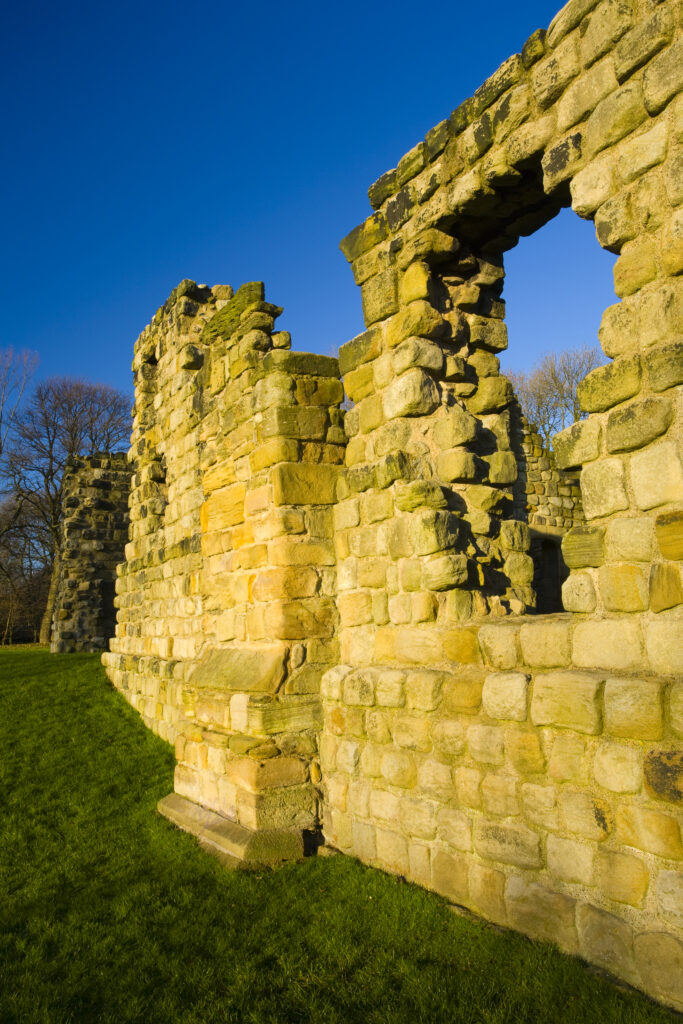
England, Tyne and Wear, St Pauls Monastery and church. The monastic parish church of St. Paul.
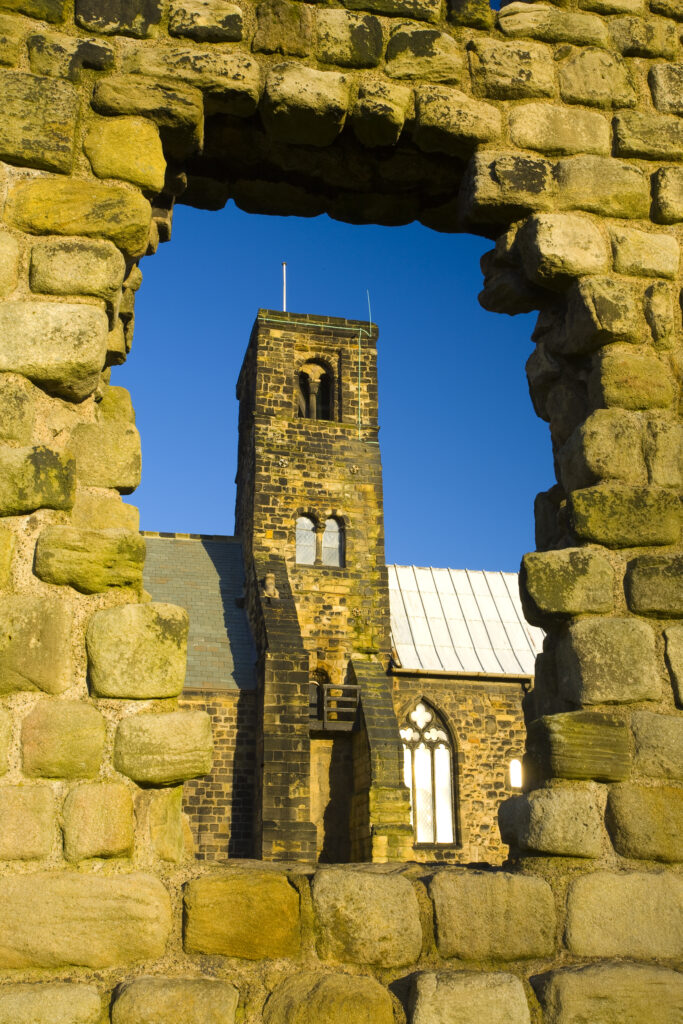
England, Tyne and Wear, St Pauls Monastery and church. The monastic parish church of St. Paul.
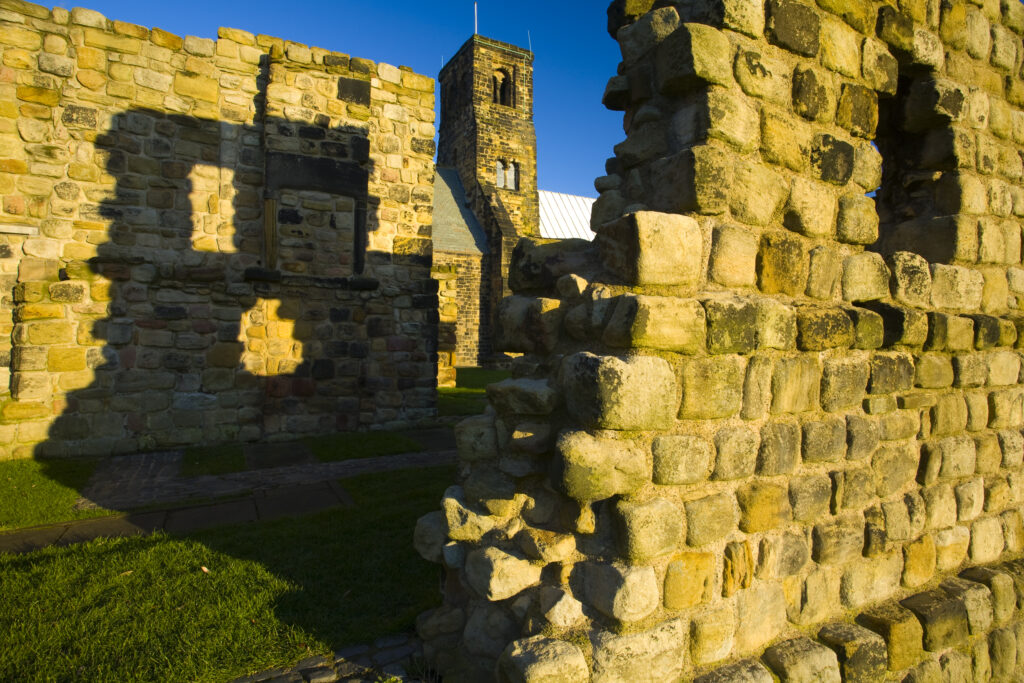
Early morning view of the St Paul's Monastery in Jarrow with the St Paul's church in the distance.
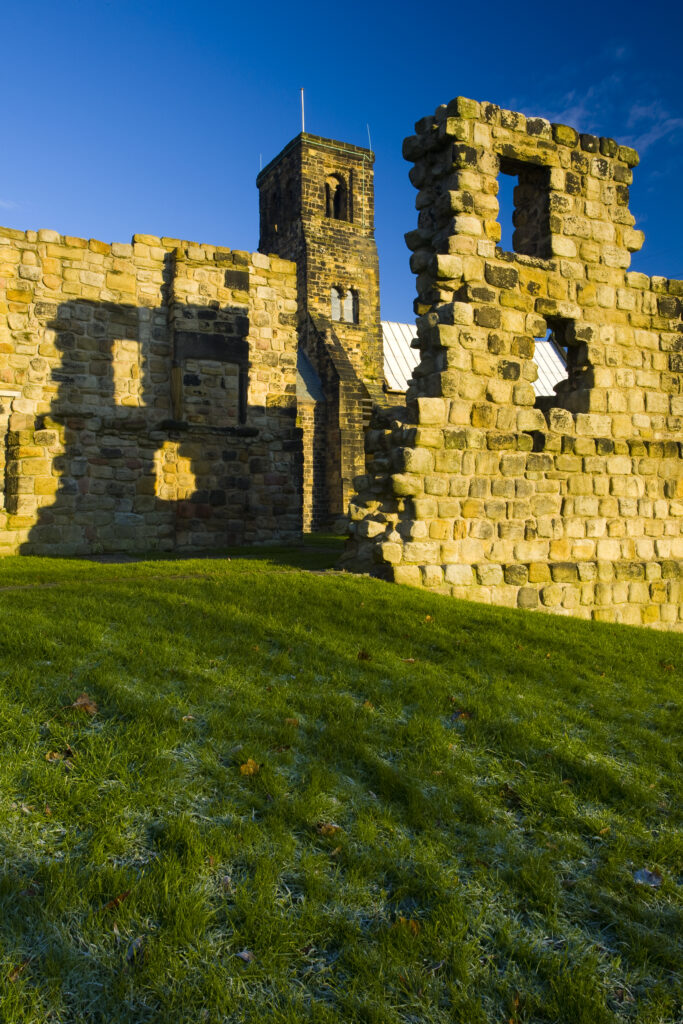
England, Tyne and Wear, St Pauls Monastery and church. The monastic parish church of St. Paul.
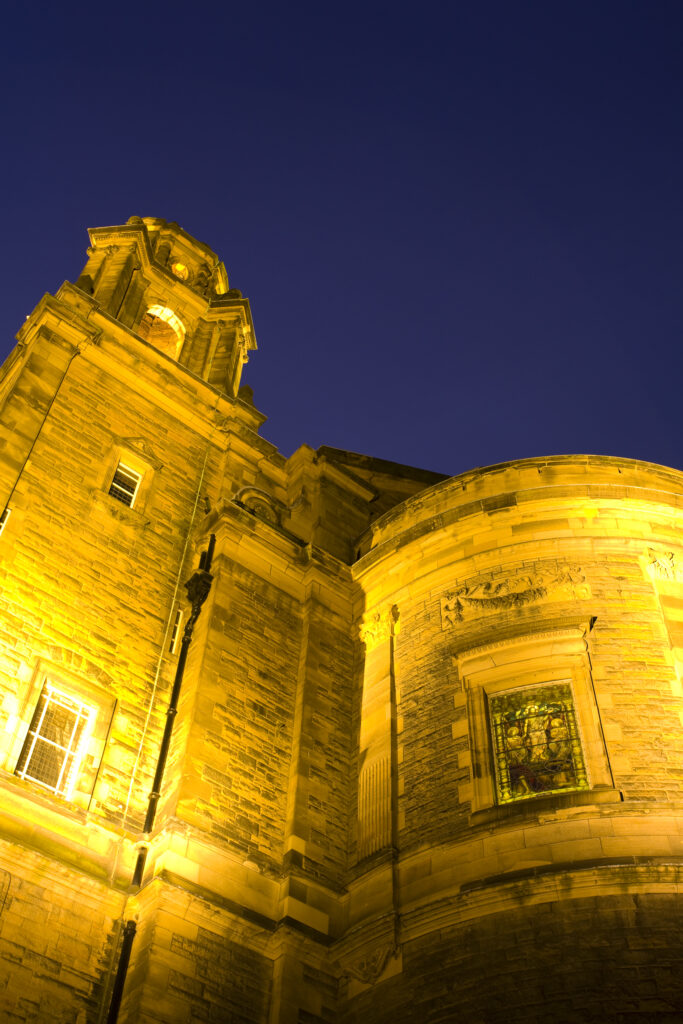
Scotland, Edinburgh, Saint Cuthberts. A church has stood on the hallowed land below Castle Rock since the 7th century when St Cuthbert, a famous Northumbrian Saint, built the first church with mud and wattle. Crossfire between the castle and opposing parties has led to the church being damaged or destroyed on numerous times, resulting in numerous rebuilds with the final church being constructed in 1894.
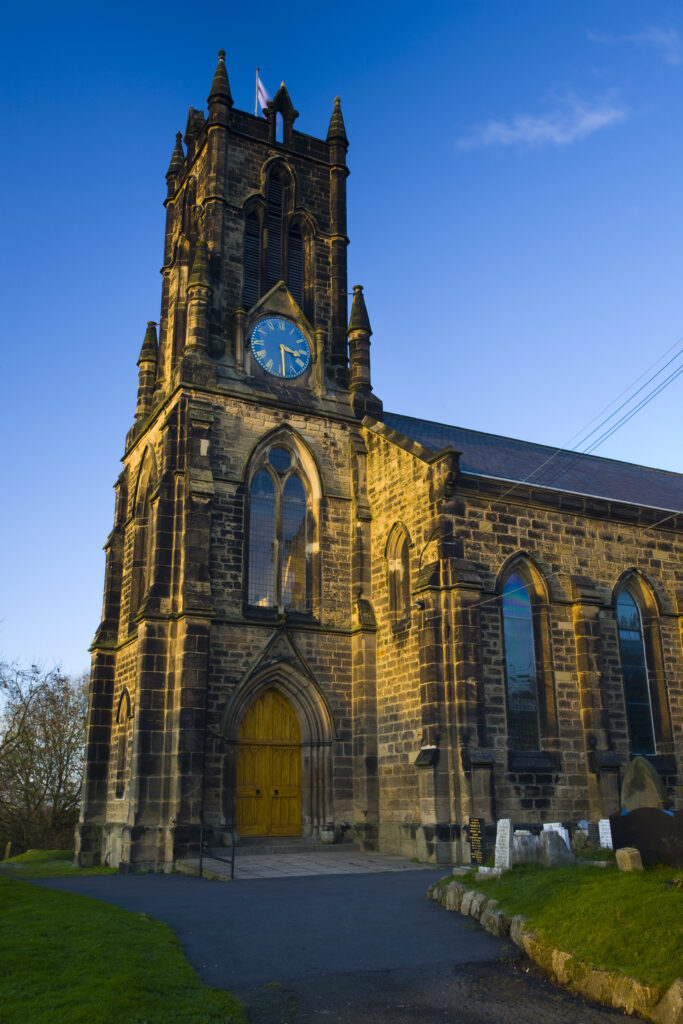
England, Tyne & Wear, Earsdon. The Saint Albans Church in Earsdon, a prominent landmark near the Northumberland border.
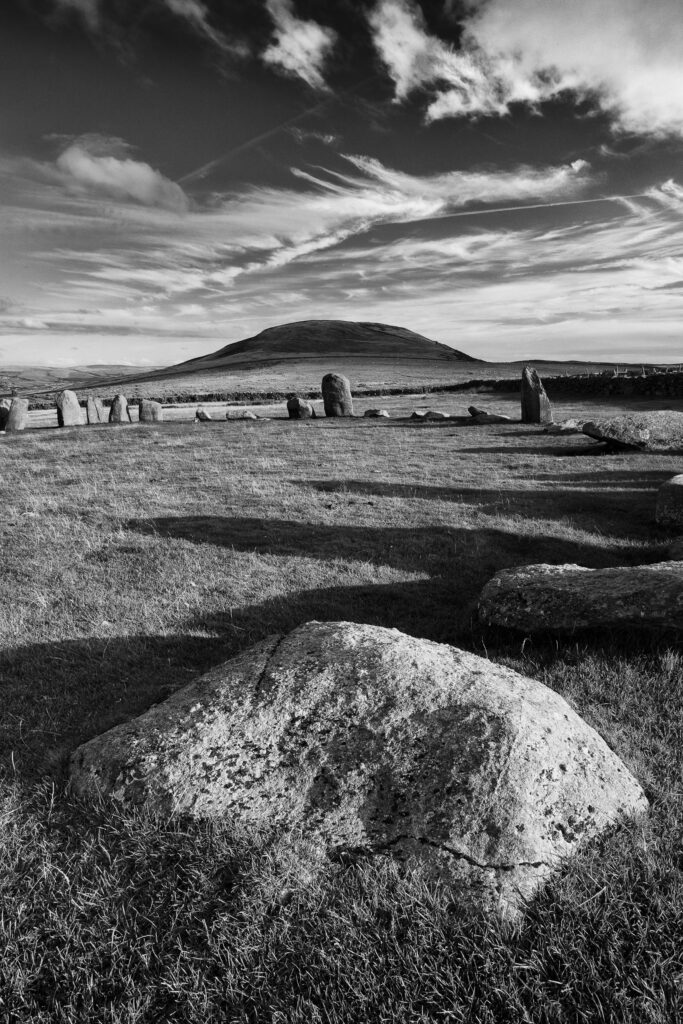
England, Cumbria, Swinside Stone Circle. The name of the Sunkenkirk stone circle, also known as Swinside, is derived from the ancient belief that the circle of stones are the remains of an ancient church (kirk) sunk into the ground by a strike from the Devil.
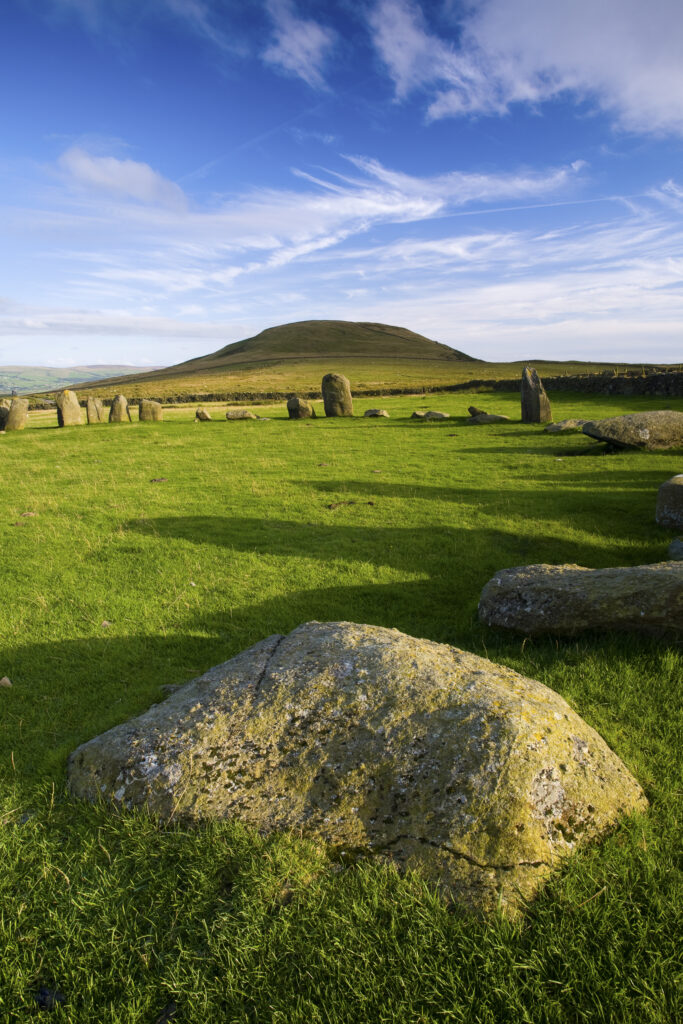
England, Cumbria, Swinside Stone Circle. The name of the Sunkenkirk stone circle, also known as Swinside, is derived from the ancient belief that the circle of stones are the remains of an ancient church (kirk) sunk into the ground by a strike from the Devil.
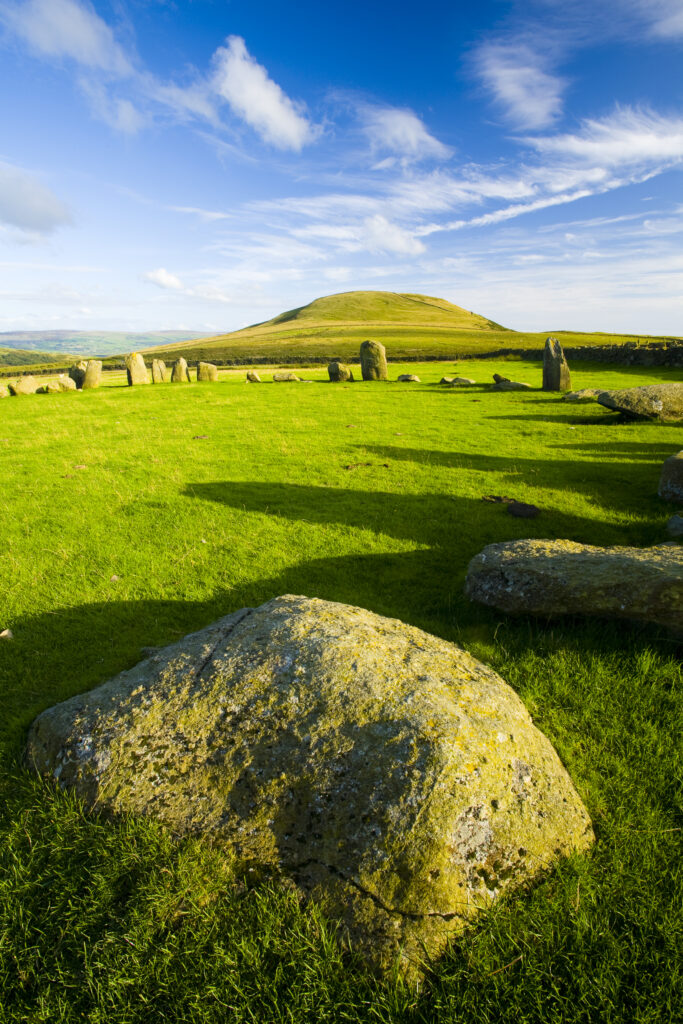
England, Cumbria, Swinside Stone Circle. The name of the Sunkenkirk stone circle, also known as Swinside, is derived from the ancient belief that the circle of stones are the remains of an ancient church (kirk) sunk into the ground by a strike from the Devil.
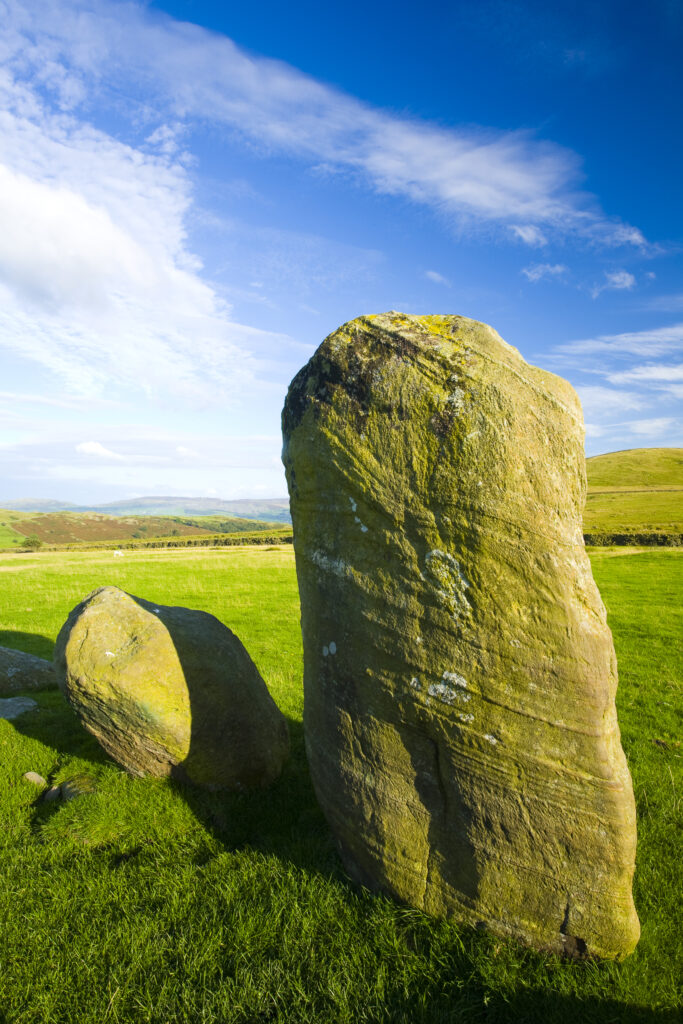
England, Cumbria, Swinside Stone Circle. The name of the Sunkenkirk stone circle, also known as Swinside, is derived from the ancient belief that the circle of stones are the remains of an ancient church (kirk) sunk into the ground by a strike from the Devil.
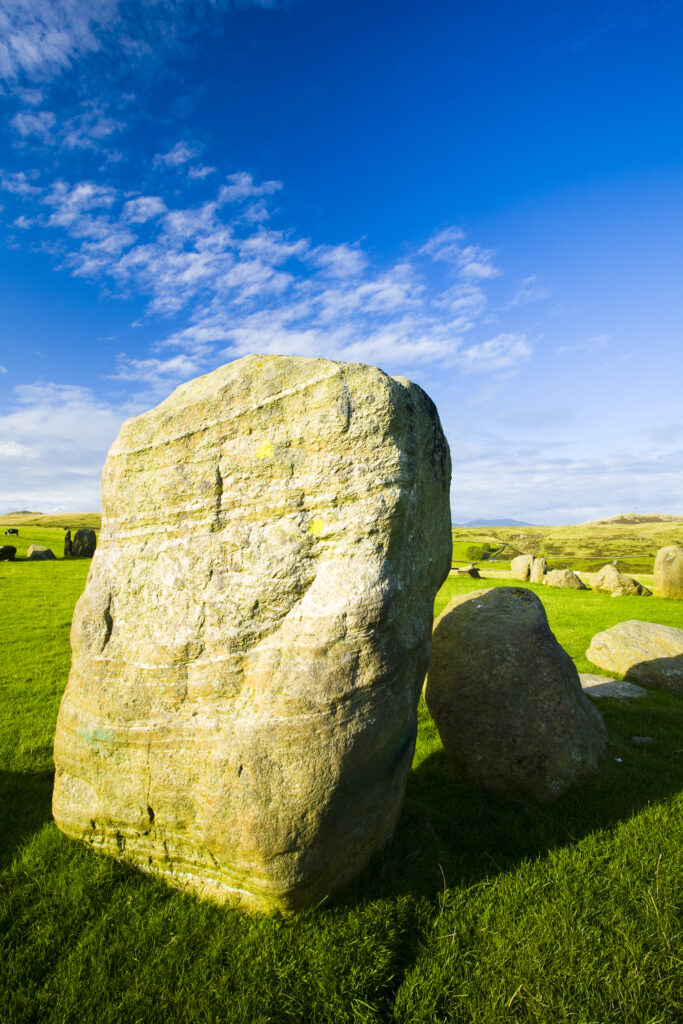
England, Cumbria, Swinside Stone Circle. The name of the Sunkenkirk stone circle, also known as Swinside, is derived from the ancient belief that the circle of stones are the remains of an ancient church (kirk) sunk into the ground by a strike from the Devil.
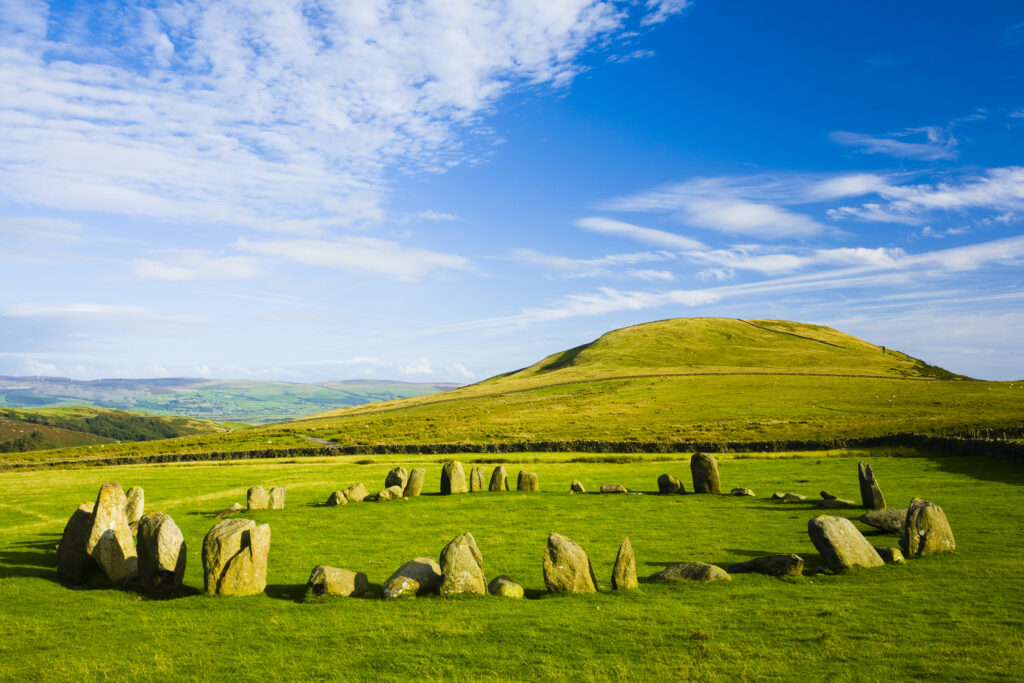
England, Cumbria, Swinside Stone Circle. The name of the Sunkenkirk stone circle, also known as Swinside, is derived from the ancient belief that the circle of stones are the remains of an ancient church (kirk) sunk into the ground by a strike from the Devil.
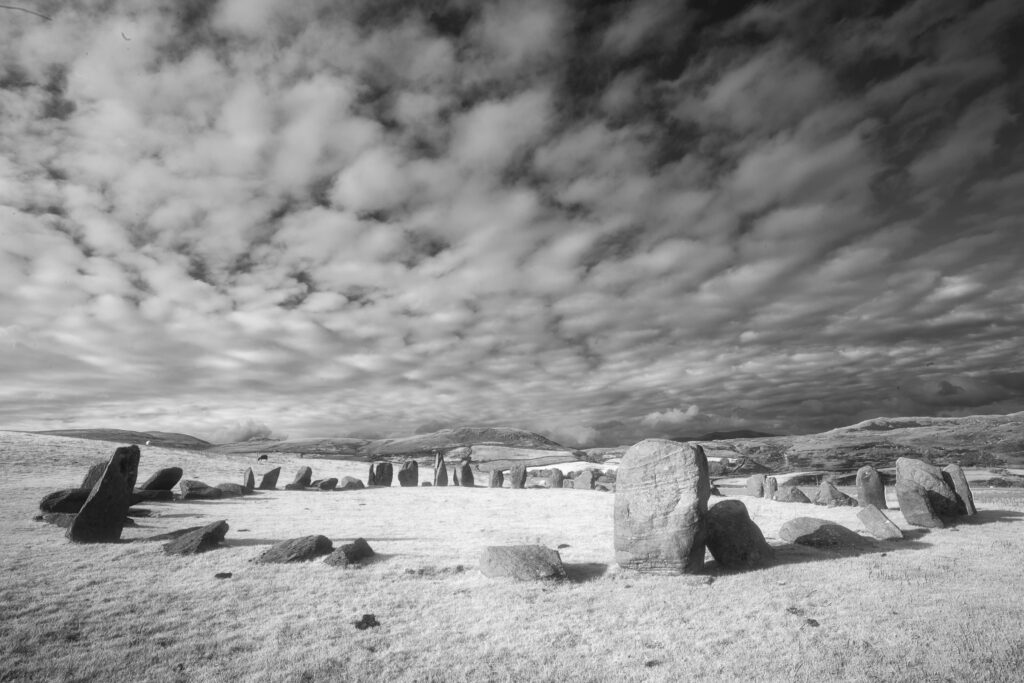
England, Cumbria, Swinside Stone Circle. The name of the Sunkenkirk stone circle, also known as Swinside, is derived from the ancient belief that the circle of stones are the remains of an ancient church (kirk) sunk into the ground by a strike from the Devil.
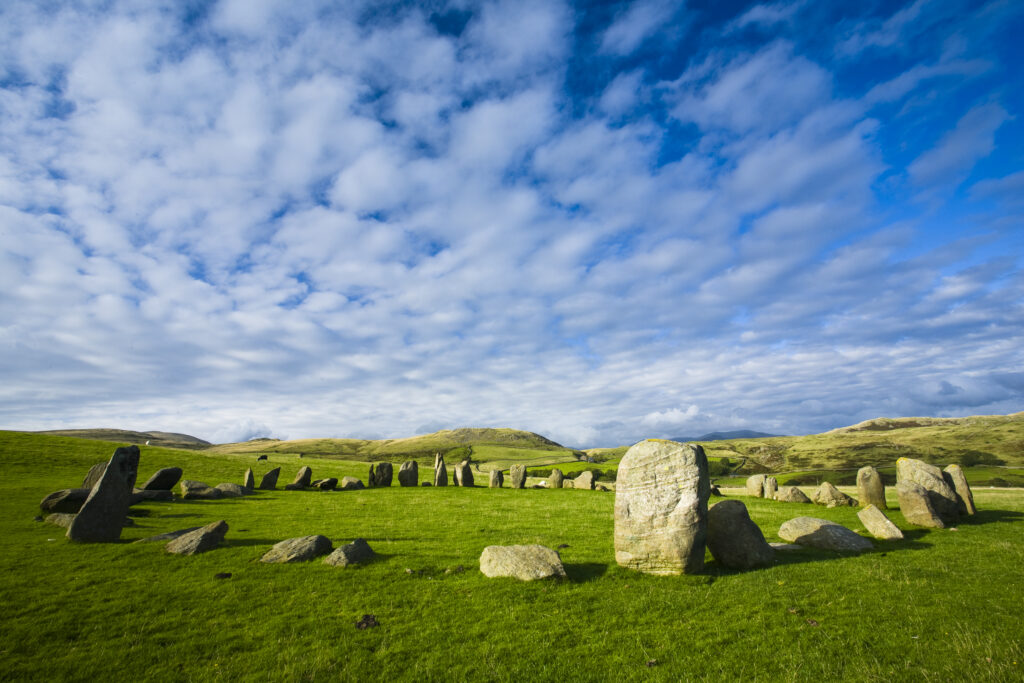
England, Cumbria, Swinside Stone Circle. The name of the Sunkenkirk stone circle, also known as Swinside, is derived from the ancient belief that the circle of stones are the remains of an ancient church (kirk) sunk into the ground by a strike from the Devil.
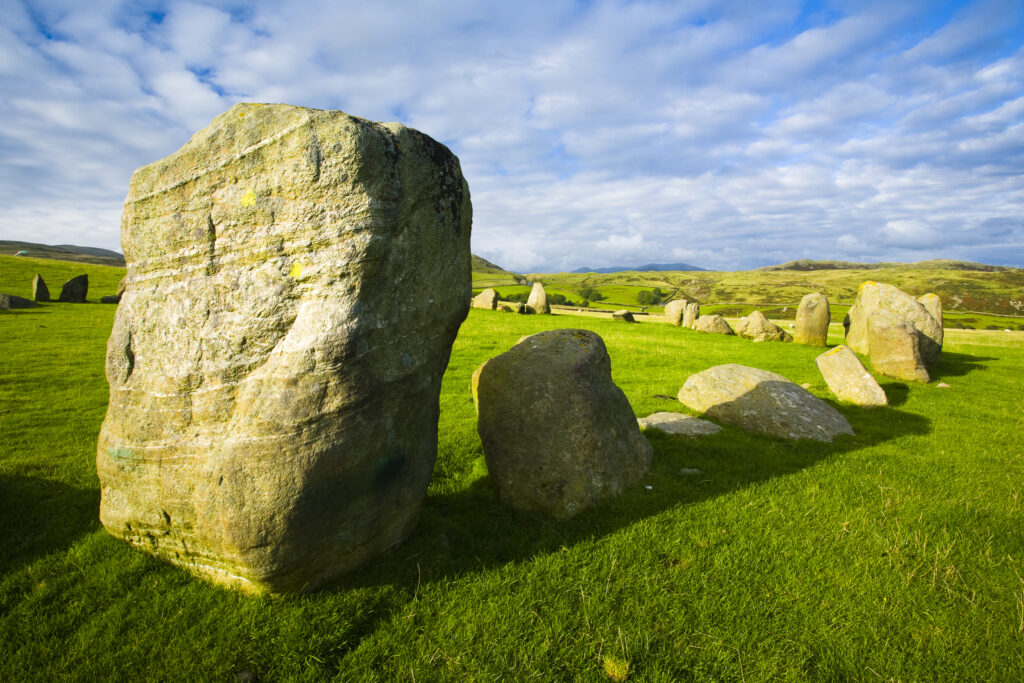
England, Cumbria, Swinside Stone Circle. The name of the Sunkenkirk stone circle, also known as Swinside, is derived from the ancient belief that the circle of stones are the remains of an ancient church (kirk) sunk into the ground by a strike from the Devil.
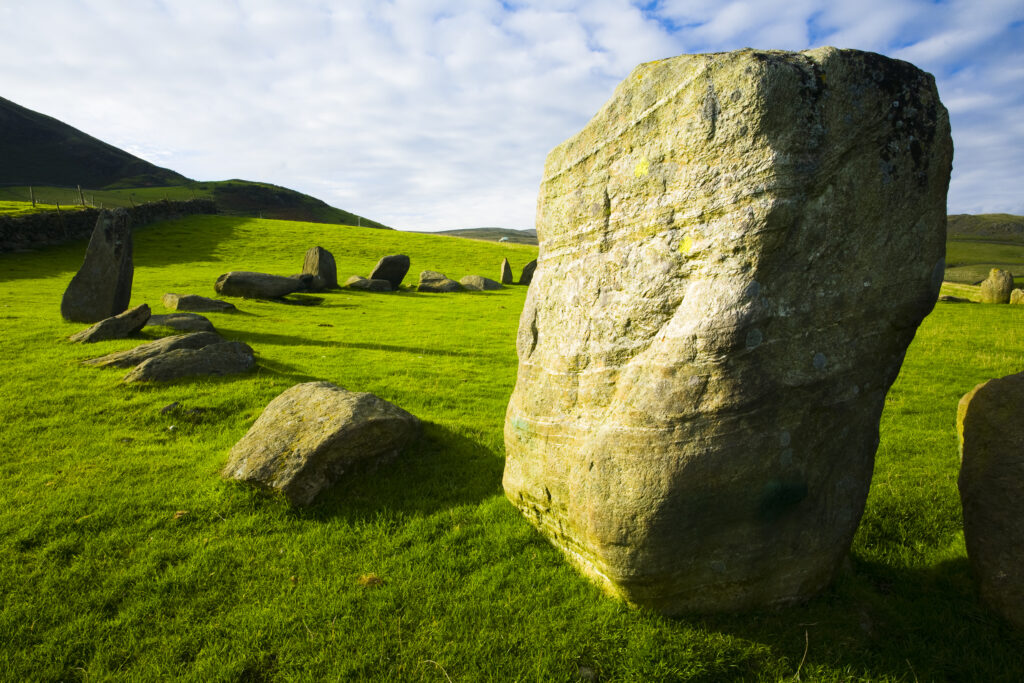
England, Cumbria, Swinside Stone Circle. The name of the Sunkenkirk stone circle, also known as Swinside, is derived from the ancient belief that the circle of stones are the remains of an ancient church (kirk) sunk into the ground by a strike from the Devil.
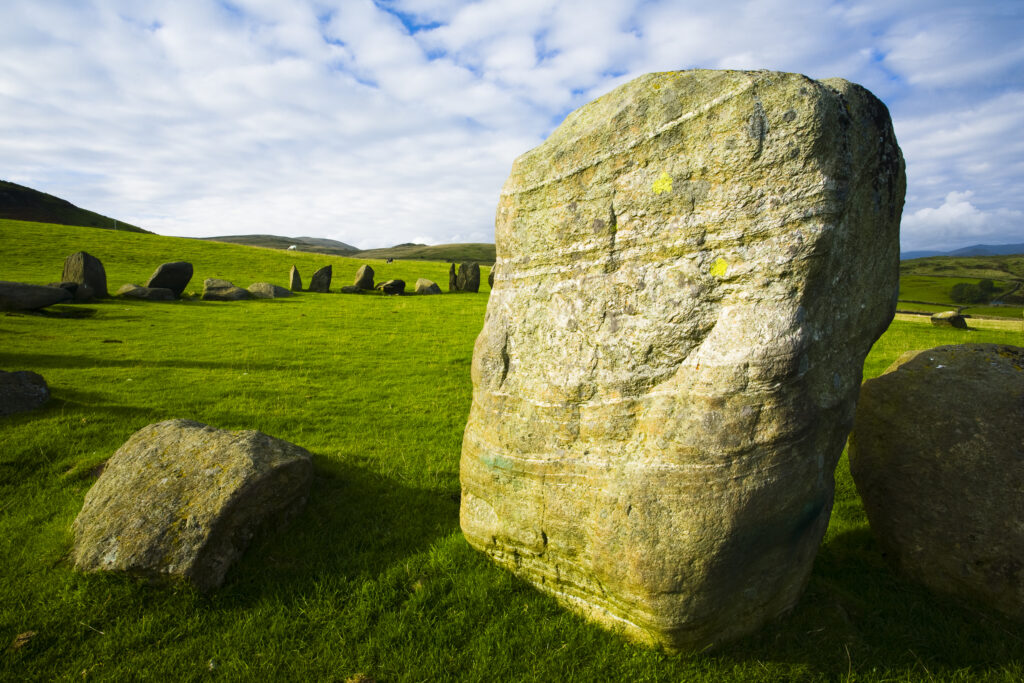
England, Cumbria, Swinside Stone Circle. The name of the Sunkenkirk stone circle, also known as Swinside, is derived from the ancient belief that the circle of stones are the remains of an ancient church (kirk) sunk into the ground by a strike from the Devil.
Favourites
Photofeed
