
Your search for “was” returned 200 images.
Clear Search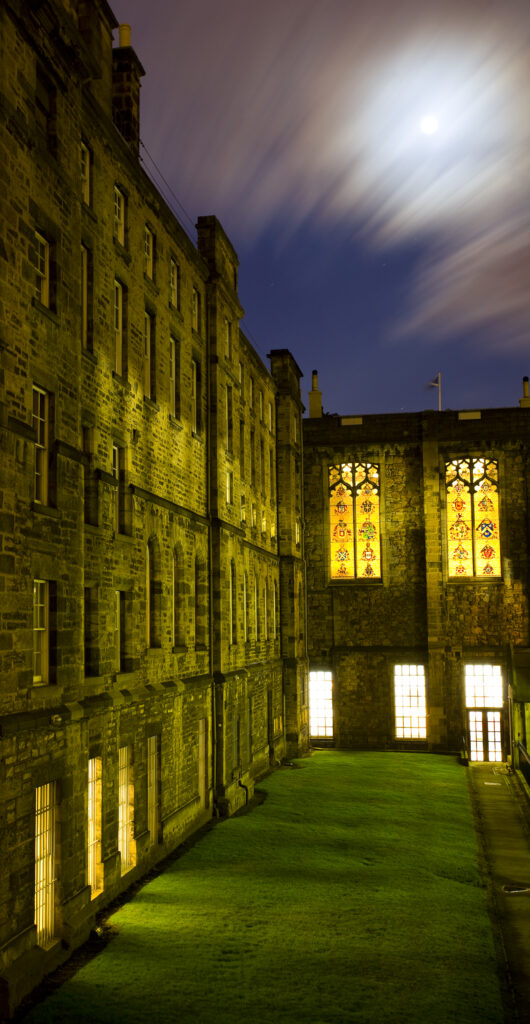
Scotland, Edinburgh, Old Town. Courtyard viewed from the George IV Bridge which was constructed to link the Old and New Town.
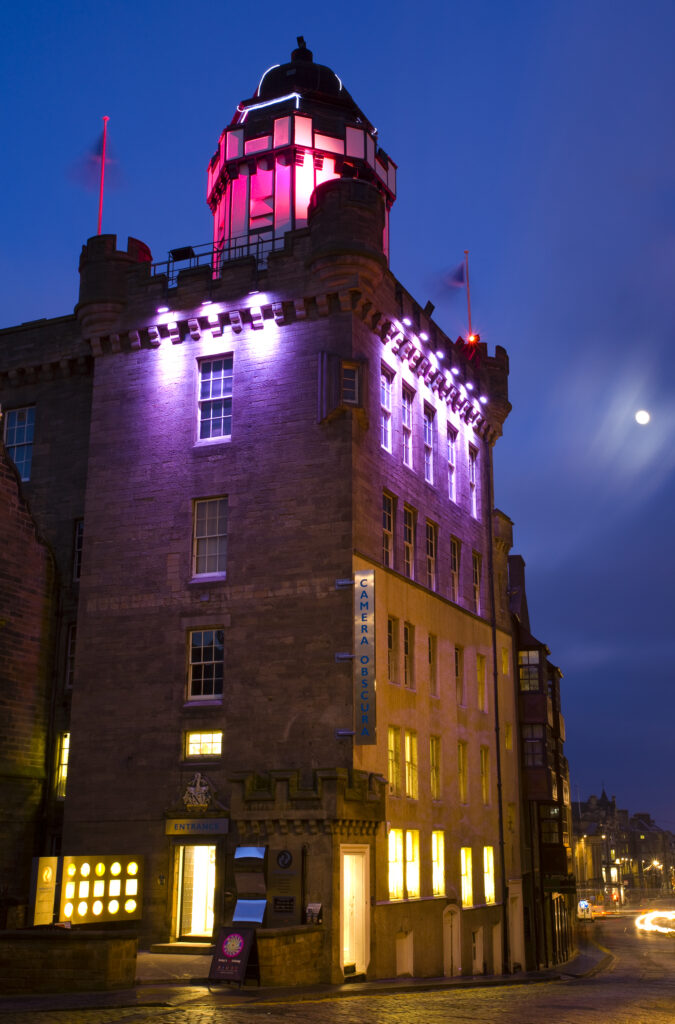
Scotland, Edinburgh, Camera Obscura. The Camera Obscura is located on a tower which had originally been the townhouse of the old Larid of Cockpen. This building was to become known as the Outlook Tower before its present title of the Camera Obscura.
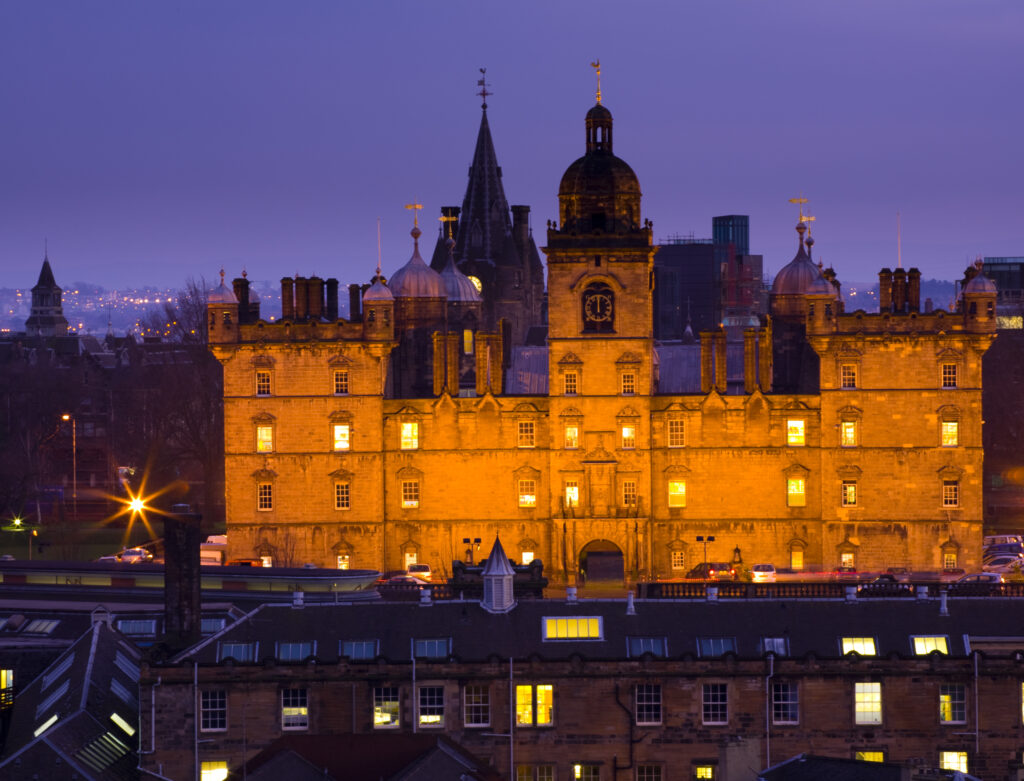
Scotland, Edinburgh, George Heriot's School. George Heriot's School on Lauriston Place in the Old Town, was established in 1628 as the George Heriot's Hospital with the aim of educating the poor children of the city.
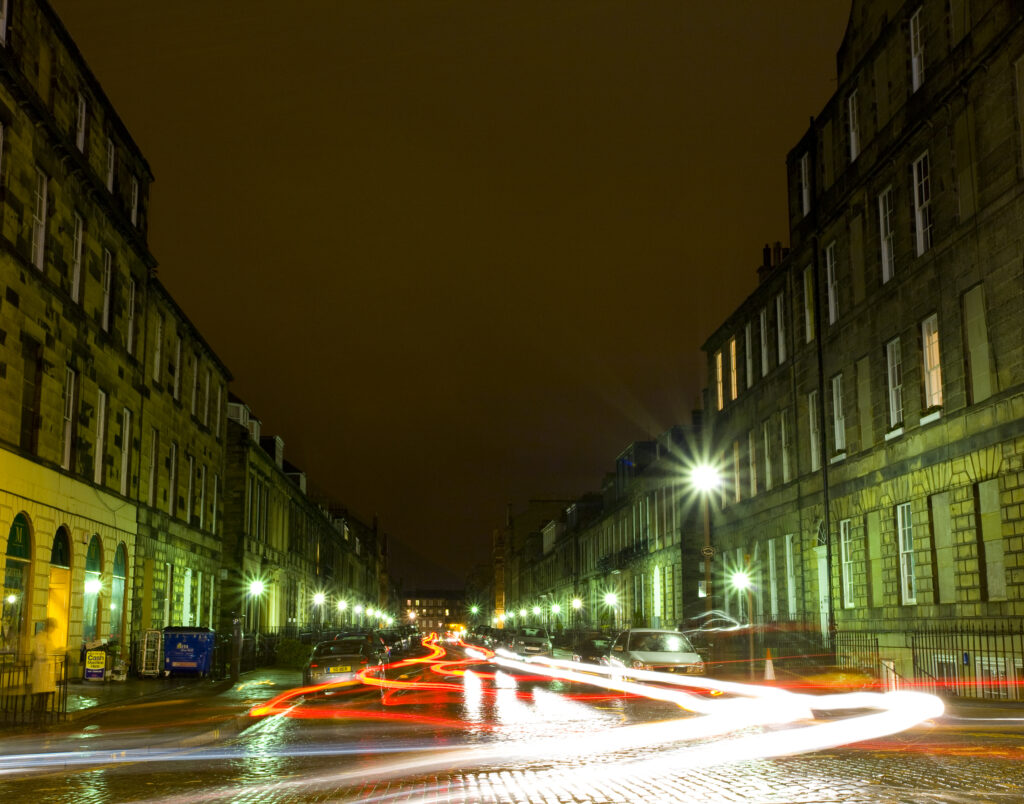
Scotland, Edinburgh, Northumberland Street. Traffic on Northumberland Street. Edinburgh was originally part of the Kingdom of Northumbria, an area that is now considered to consist of North-East England but historically also included parts of Southern Scotland.
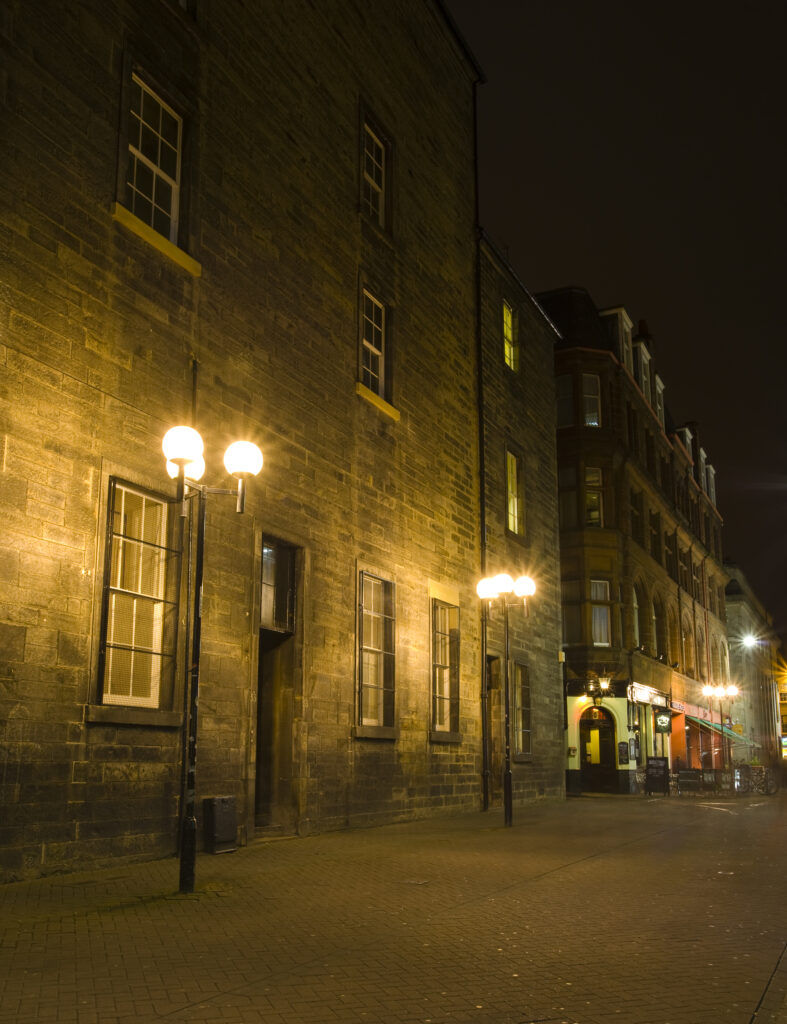
Scotland, Edinburgh, Rose Street. The narrow Rose Street was originally used as a service entrance to the houses on Princes Street and George Street which it runs parallel between.
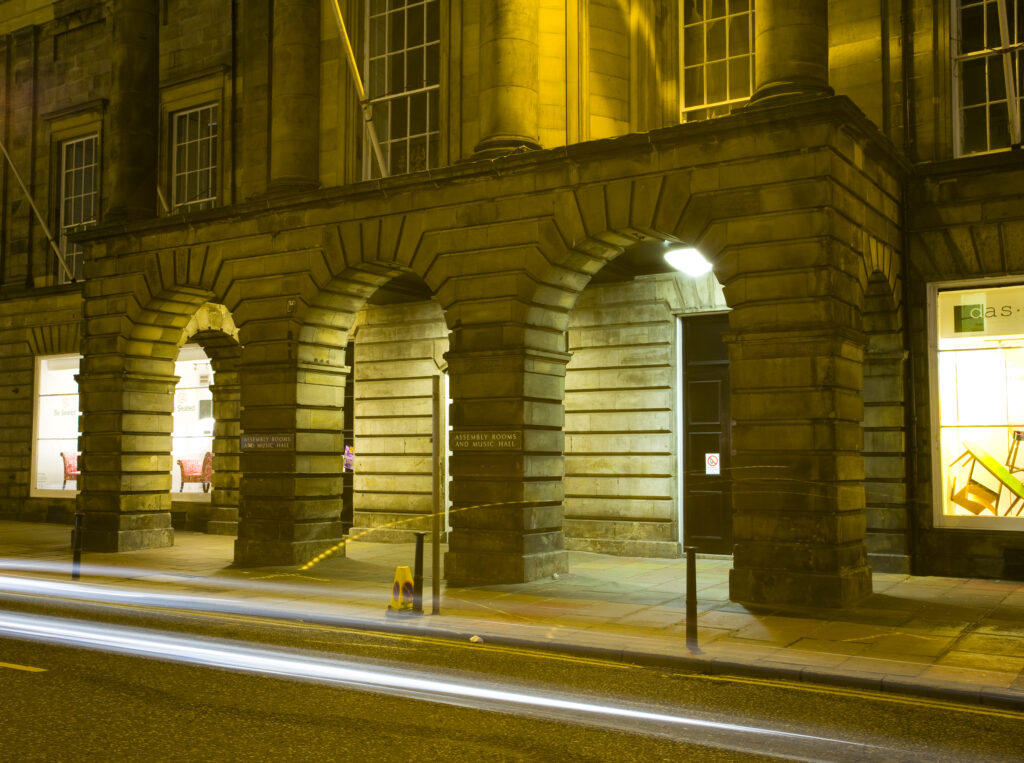
Scotland, Edinburgh, Assembly Rooms. The Assembly Rooms and Music Hall located on George Street. Assembly Rooms were traditionally gathering places open to members of all sexes from the higher social classes which between the 18th and 19th centuries was quite unusual with most venues only being open to upper class men.
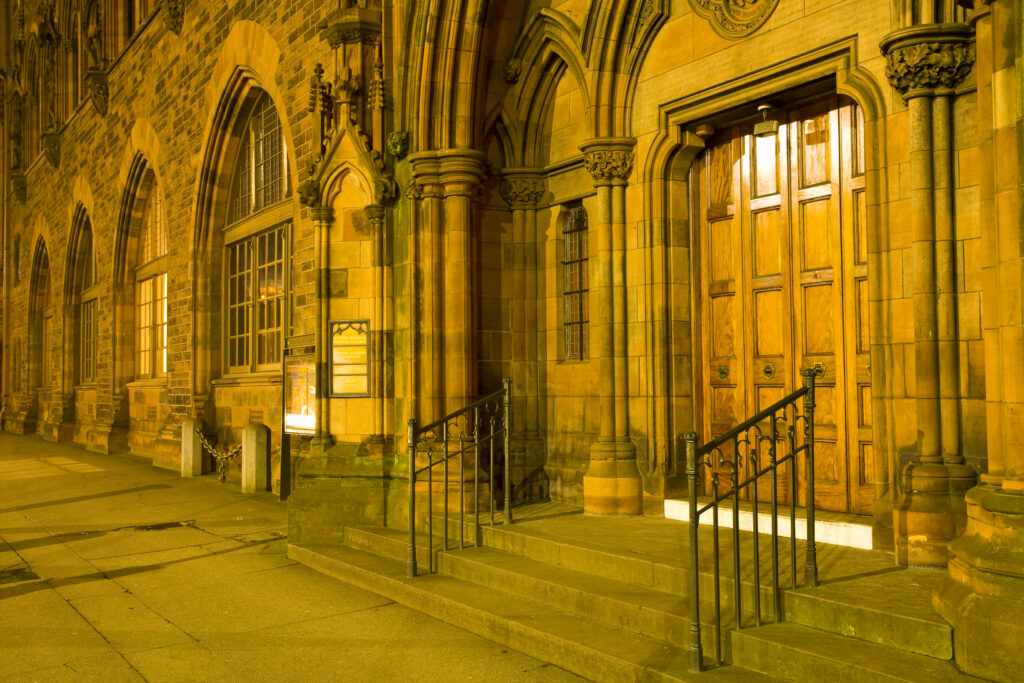
Scotland, Edinburgh, Scottish National Portrait Gallery. The Scottish National Portrait Gallery at the time of construction was the worlds first purpose-built portrait gallery.
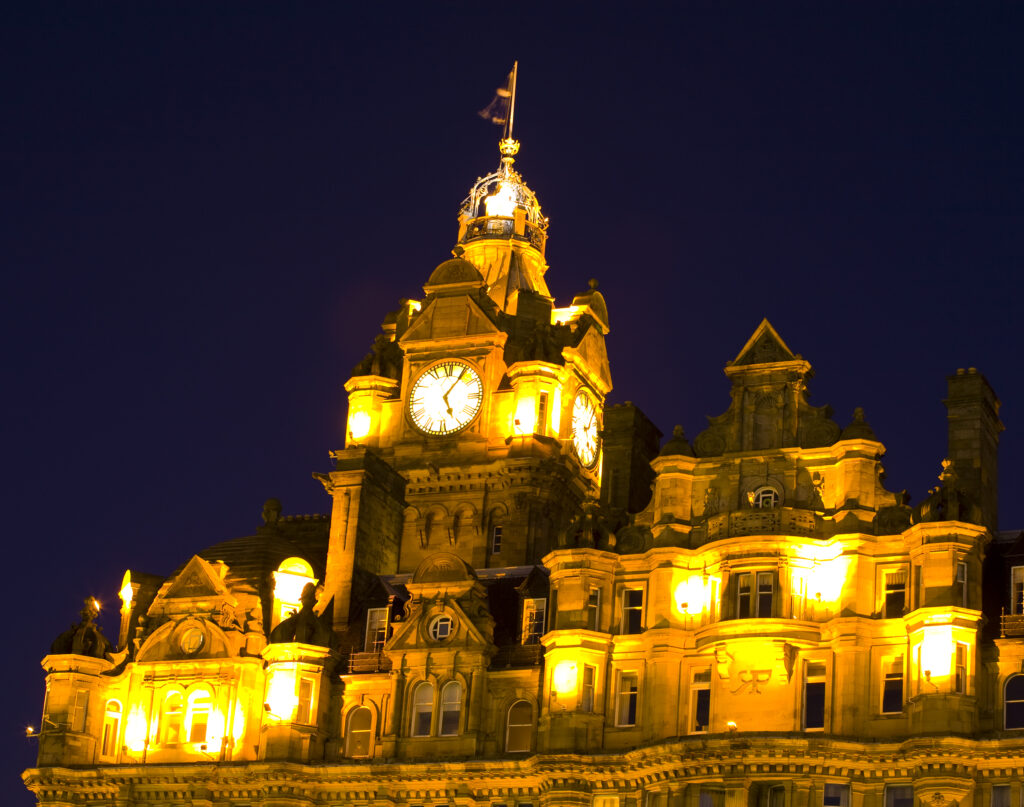
Scotland, Edinburgh, Balmoral Hotel. The Balmoral Hotel designed by architect W. Hamilton Beattie and originally opened in 1902 as the North British Hotel. The hotel was renamed as the Balmoral after refurbishment in the 1980s.
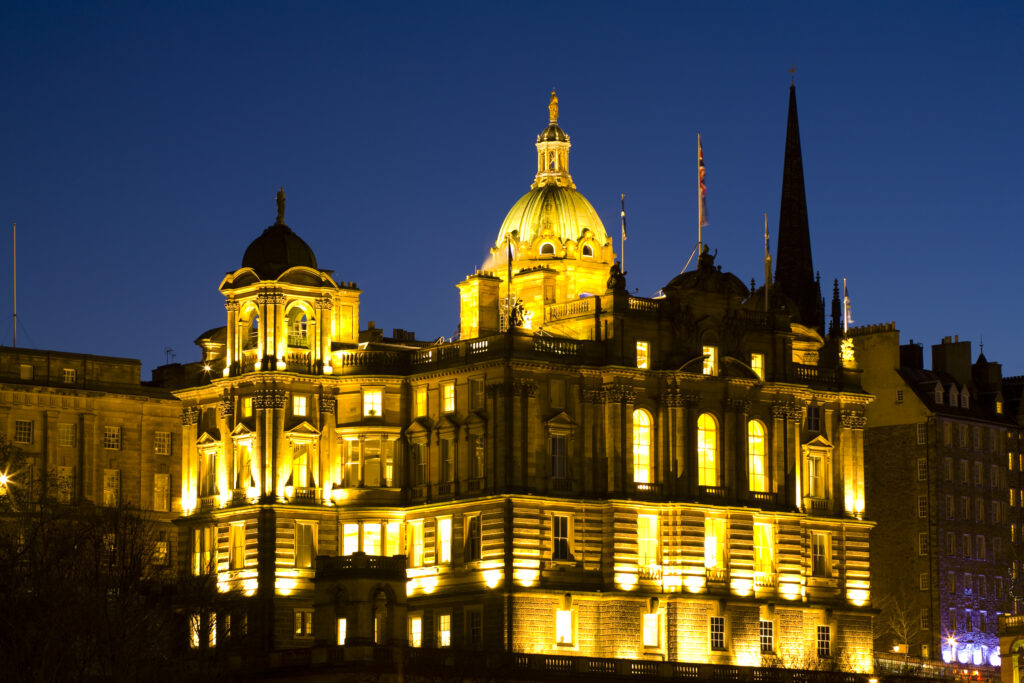
Scotland, Edinburgh, Bank of Scotland. A prominent feature of the Edinburgh skyline, the Bank of Scotland head office on The Mound. Construction of this impressive building was completed in 1806.
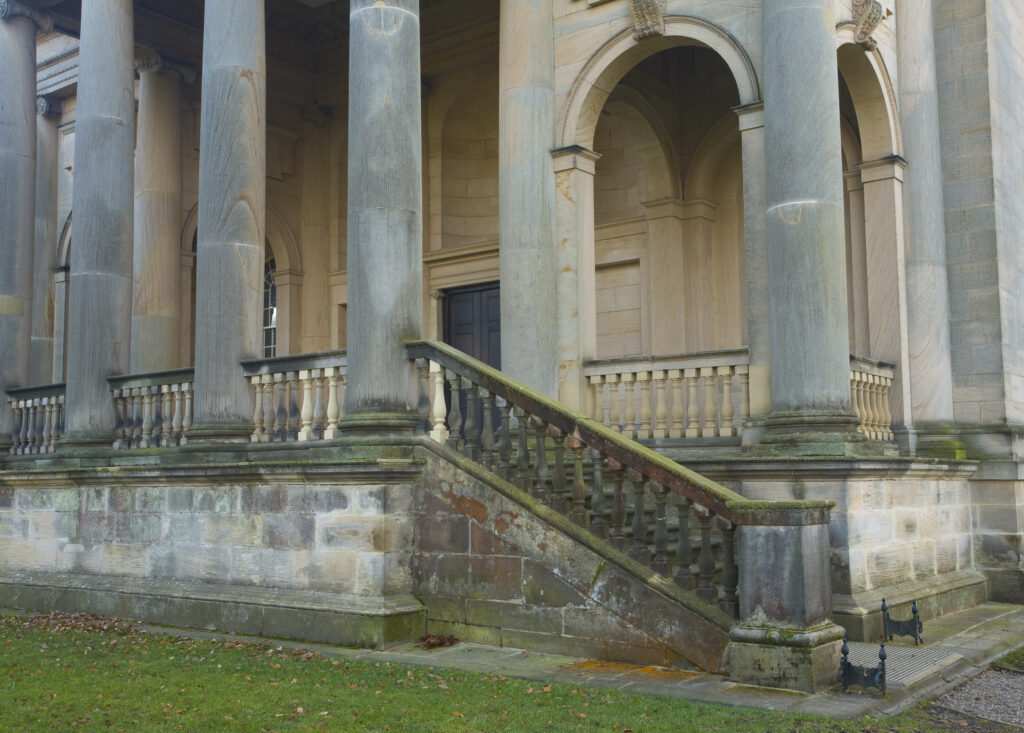
England, Tyne and Wear, Gibside. The chapel at Gibside was built as a in the 1760's as a mausoleum for coal magnate George Bowes. The chapel, now owned by the National Trust, is still used for religious worship and wedding ceremonies.
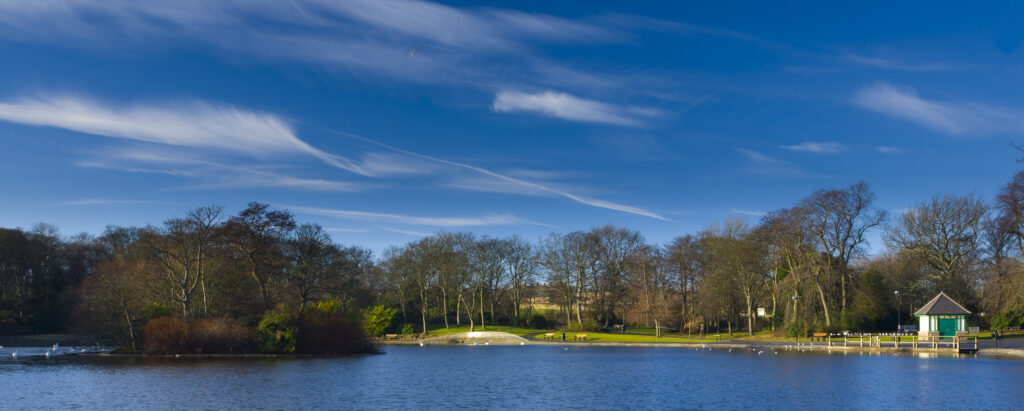
England, Tyne and Wear, Newcastle Upon Tyne. Alderman Sir Charles Hamond officially opened Tynesides' first park, Leazes Park in 1873. The lake pictured here was created along the line of the Lort Burn.
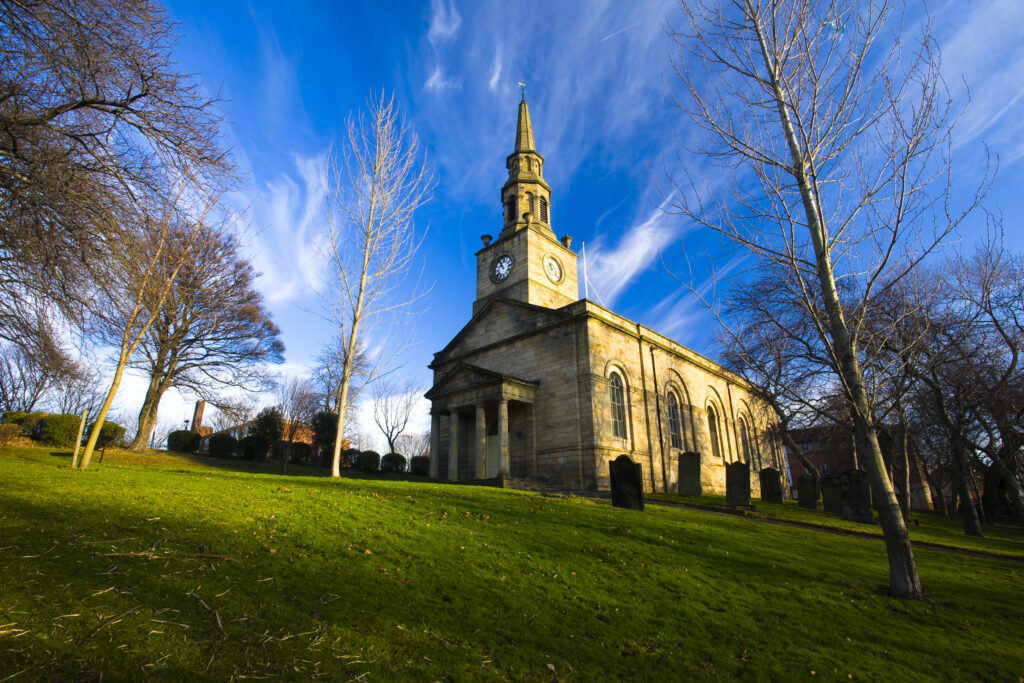
England, Tyne and Wear, Newcastle Upon Tyne. St Anns Church was originally set in fields overlooking the East Quayside. The church became famous for the distribution of hot soup to the unemployed during the winters of 1908 – 1910 by the vicar, Bernard East.
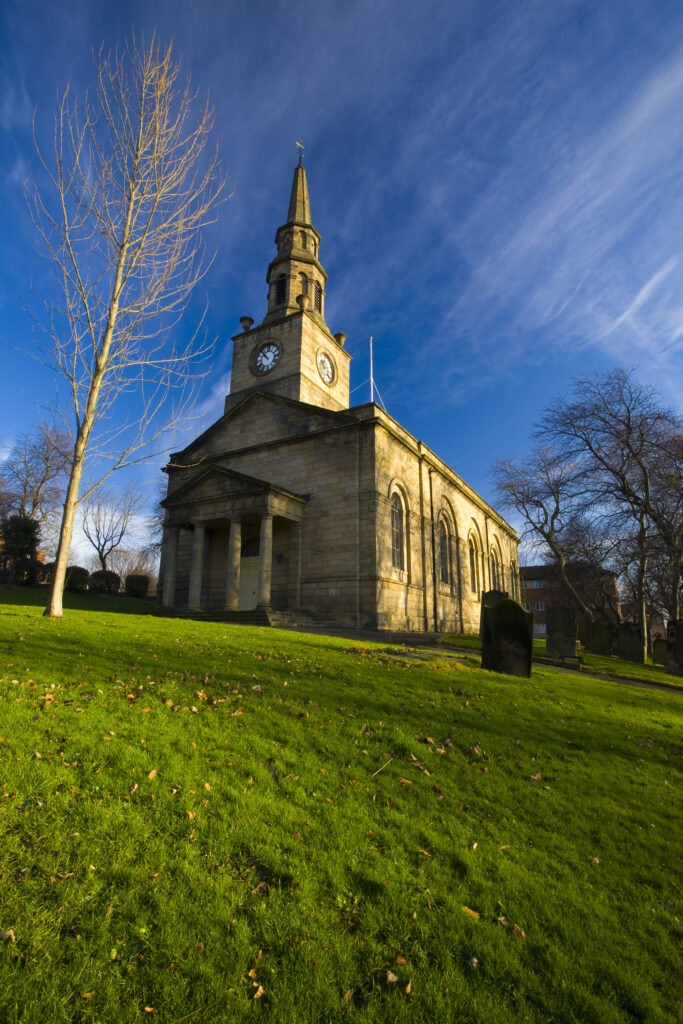
England, Tyne and Wear, Newcastle Upon Tyne. St Anns Church was originally set in fields overlooking the East Quayside. The church became famous for the distribution of hot soup to the unemployed during the winters of 1908 – 1910 by the vicar, Bernard East.
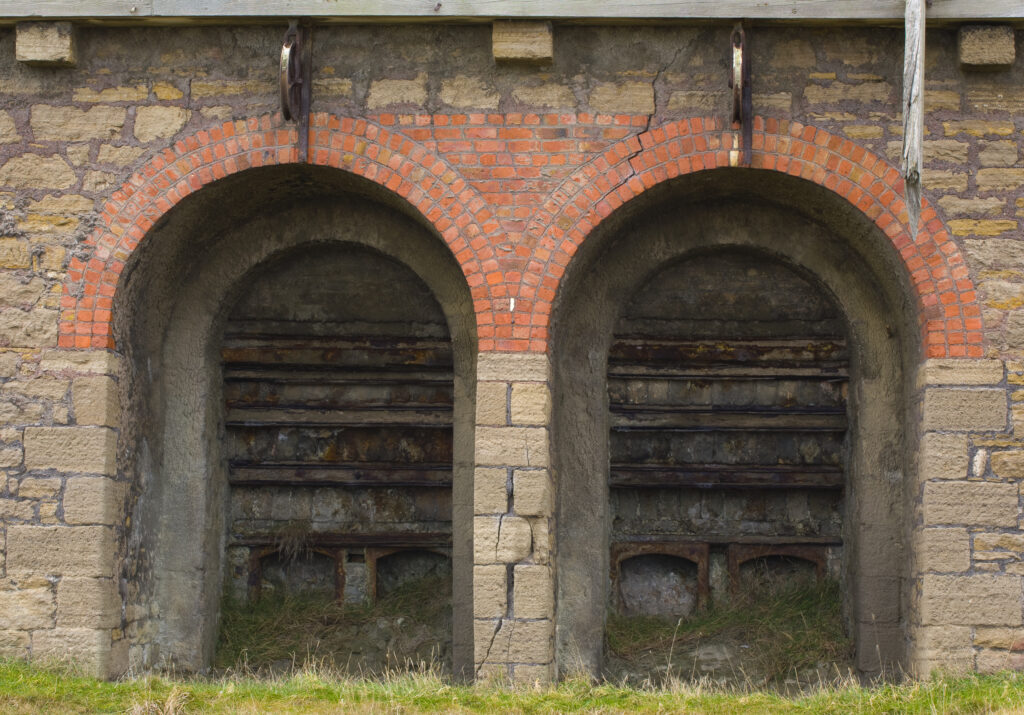
England, Tyne and Wear, Marsden. Marsden limekilns, built from the late 1870's, were constructed to burn lime which was then used on farms and in steel mills throughout the country and further afield.
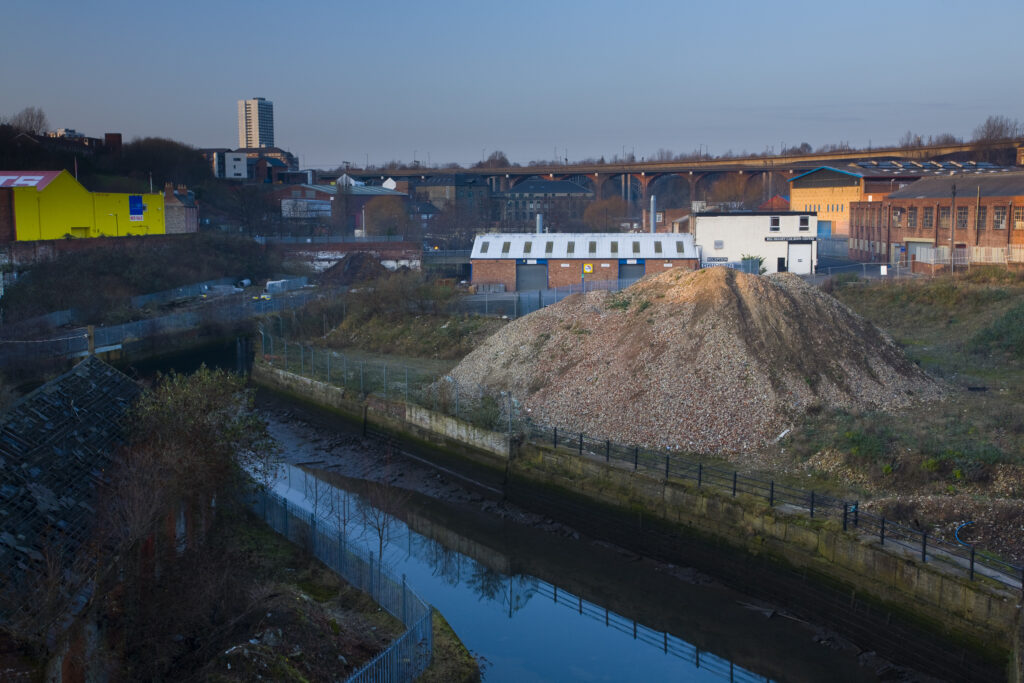
England, Tyne and Wear, Newcastle Upon Tyne. The Ouseburn running through a disappearing industrial landscape. The 800 metre long Byker Viaduct can be seen in the distance.
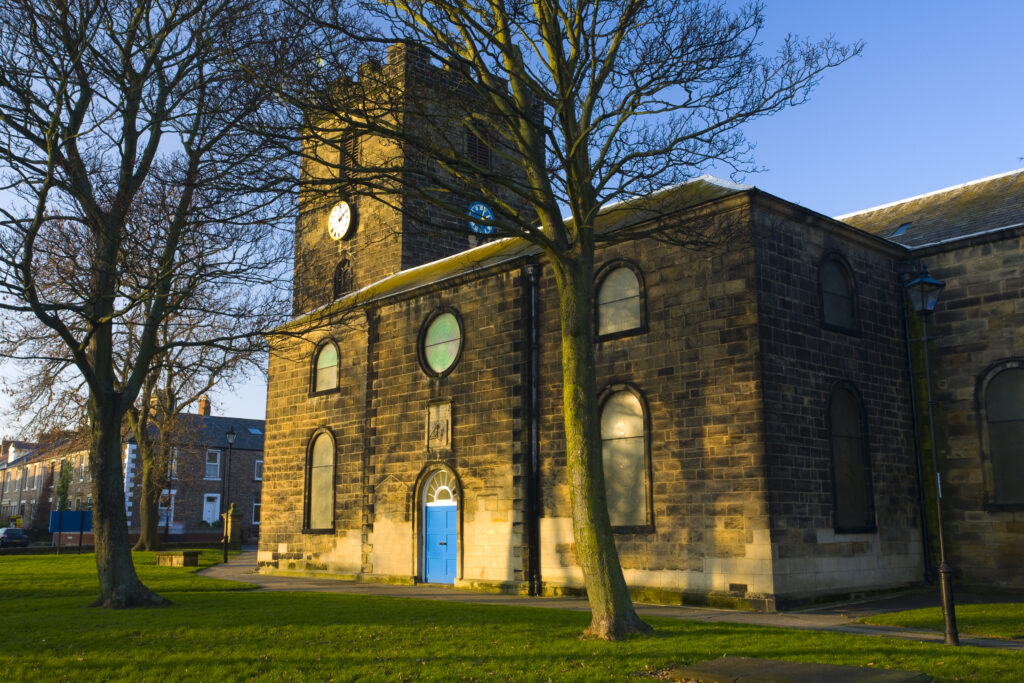
England, Tyne & Wear, North Shields. Christ Church, the parish church of North Shields, was originally built in 1658 before being rebuilt in sandstone in 1792.
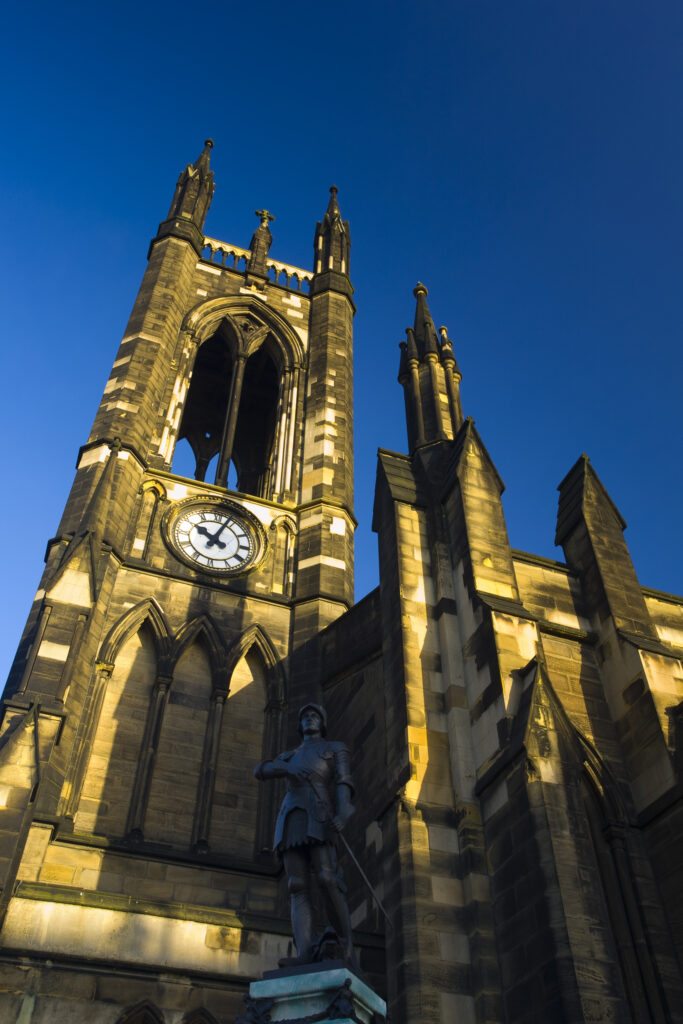
England, Tyne & Wear, Newcastle Upon Tyne. The St. thomas' church near the Haymarket of Newcastle Upon Tyne, was built in 1839 upon the site of St. Mary Magdalene, a former 12th century Leper Hospital.
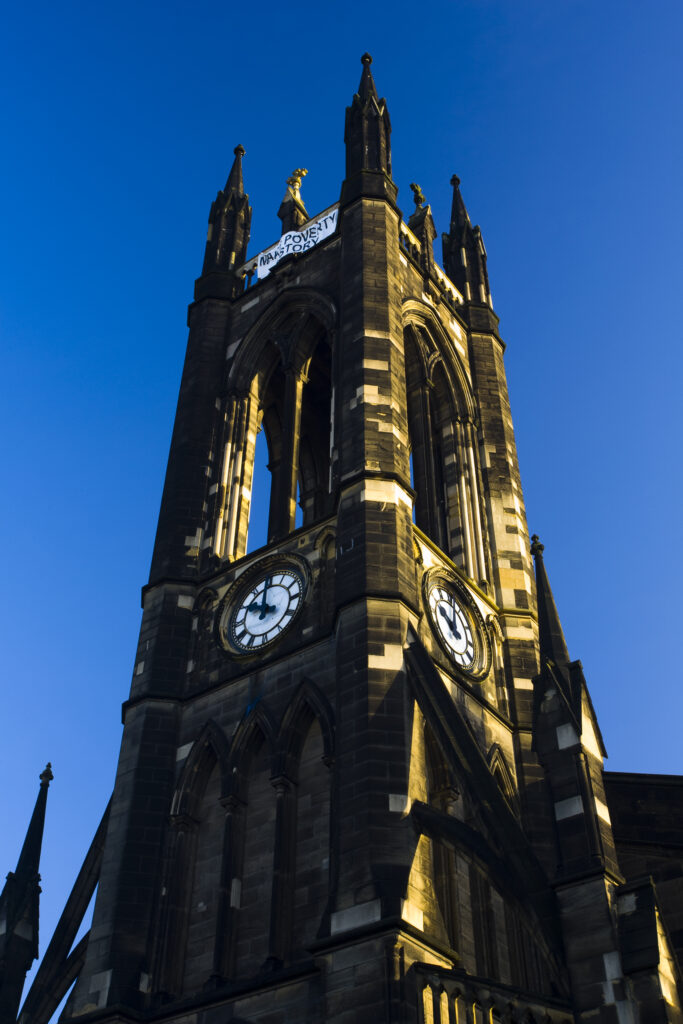
England, Tyne & Wear, Newcastle Upon Tyne. The St. thomas' church near the Haymarket of Newcastle Upon Tyne, was built in 1839 upon the site of St. Mary Magdalene, a former 12th century Leper Hospital.
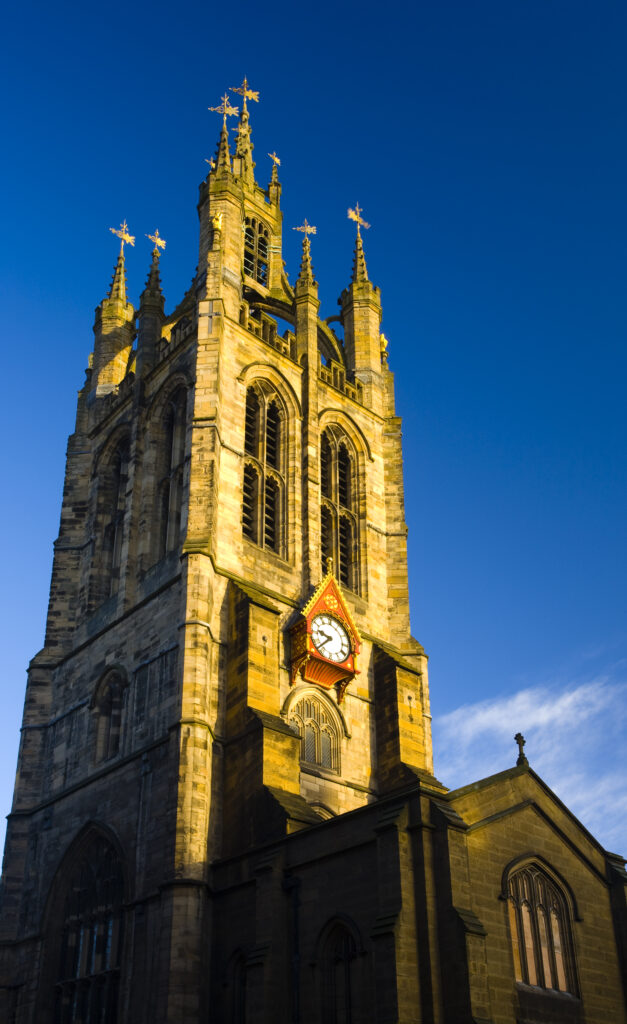
England, Tyne & Wear, Newcastle Upon Tyne. The Cathedral Church of St. Nicholas in Newcastle upon Tyne was originally the fourth largest parish church to be found in England before becoming a cathedral on the 25th July 1882.
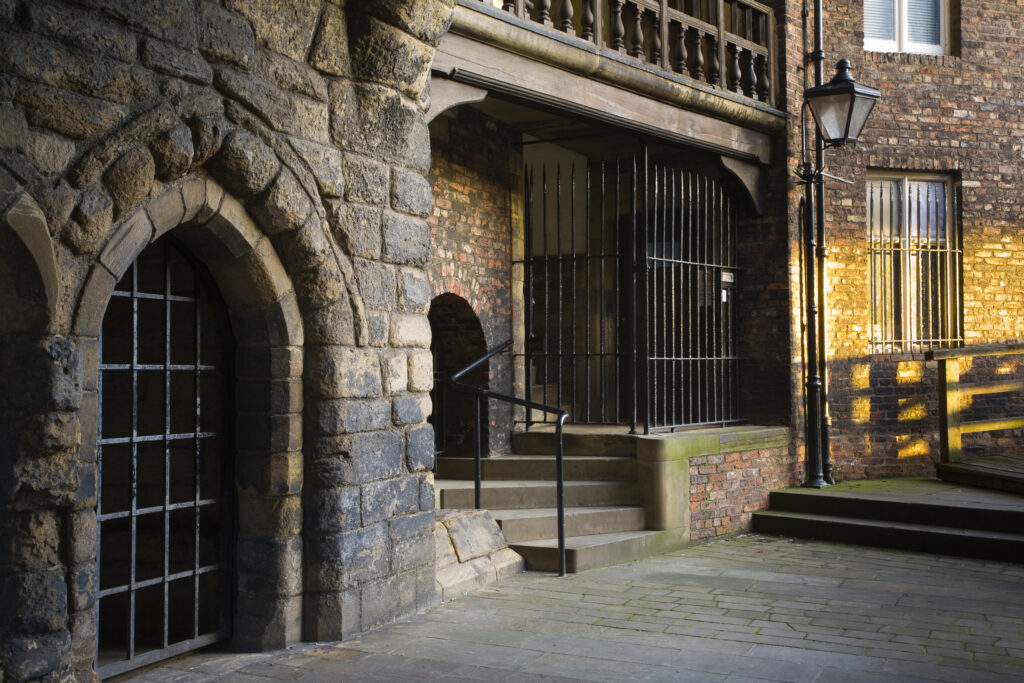
England, Tyne & Wear, Newcastle Upon Tyne. The great outer gateway known as the 'Black Gate' was added to the castle of Newcastle Upon Tyne by Henry III during 1247 to 1250.
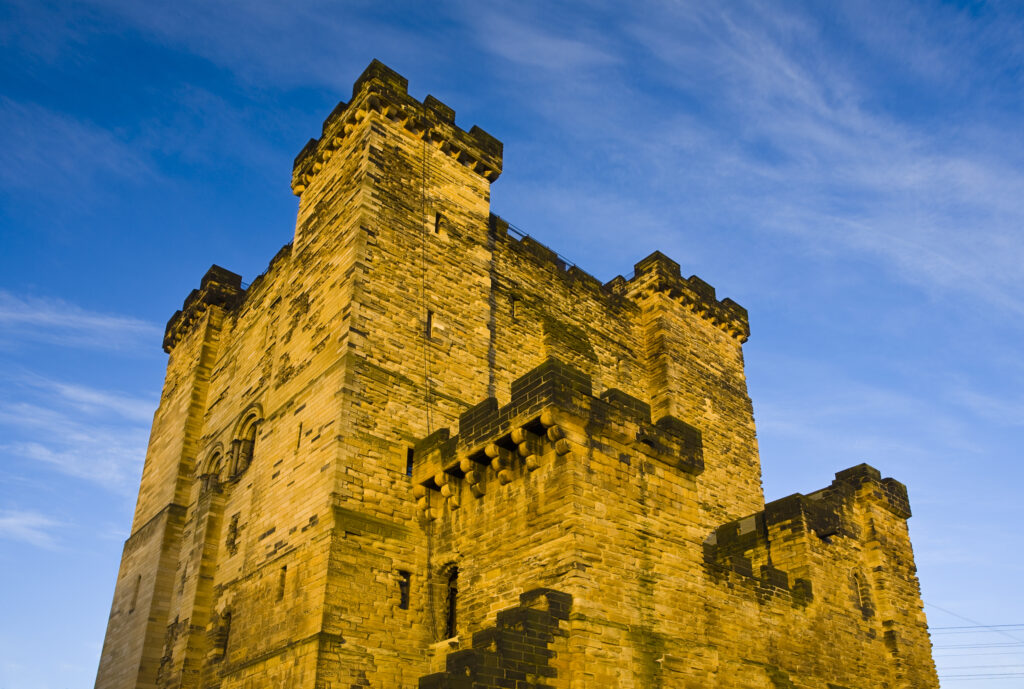
England, Tyne & Wear, Newcastle Upon Tyne. The Newcastle Castle Keep was built by Henry II between 1168-1178 and is a fine example of a genuine Norman Keep.
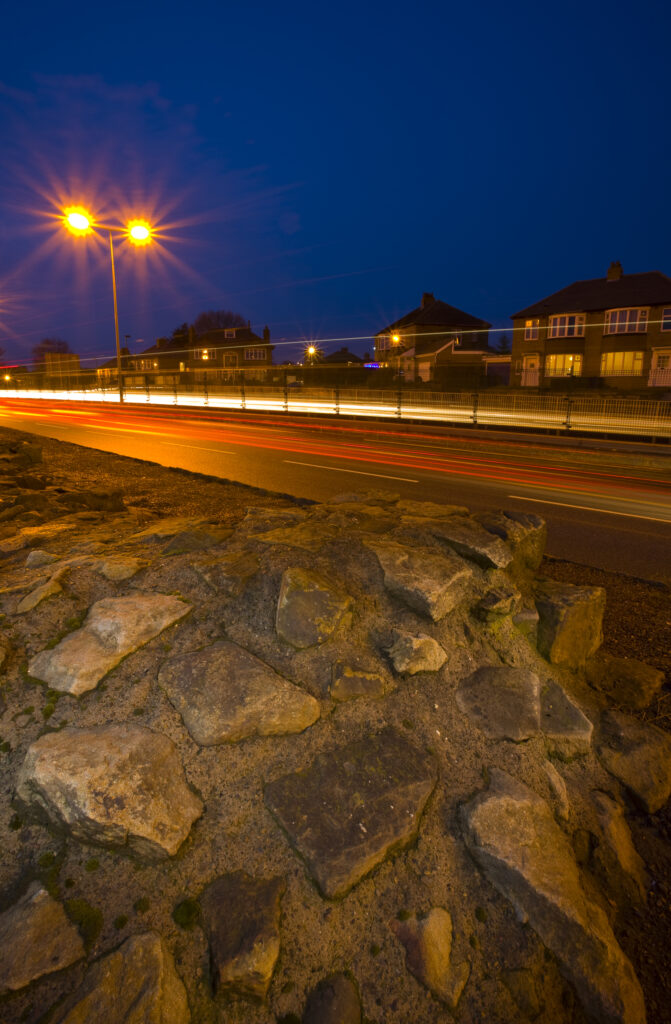
England, Tyne & Wear, Newcastle Upon Tyne. Rush hour traffic alongside Hadrian's Wall in East Denton. Hadrian's Wall was built to protect Roman Britain from raids by the Picts to the north, and stretched from the Solway Firth to Wallsend in North Tyneside.
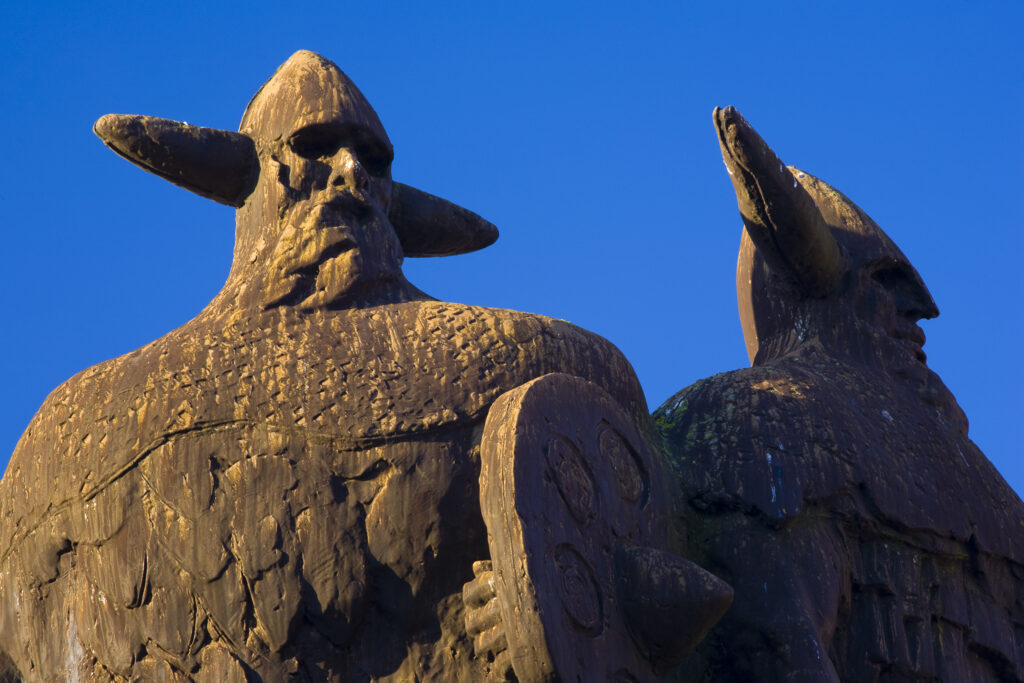
England, Tyne & Wear, Jarrow. Jarrow experienced some of the earliest Viking raids on mainland britain when it was invaded in AD794. Although the invaders were defeated on this occasion, the inhabitants of Jarrow were not so lucky during future Viking raids.
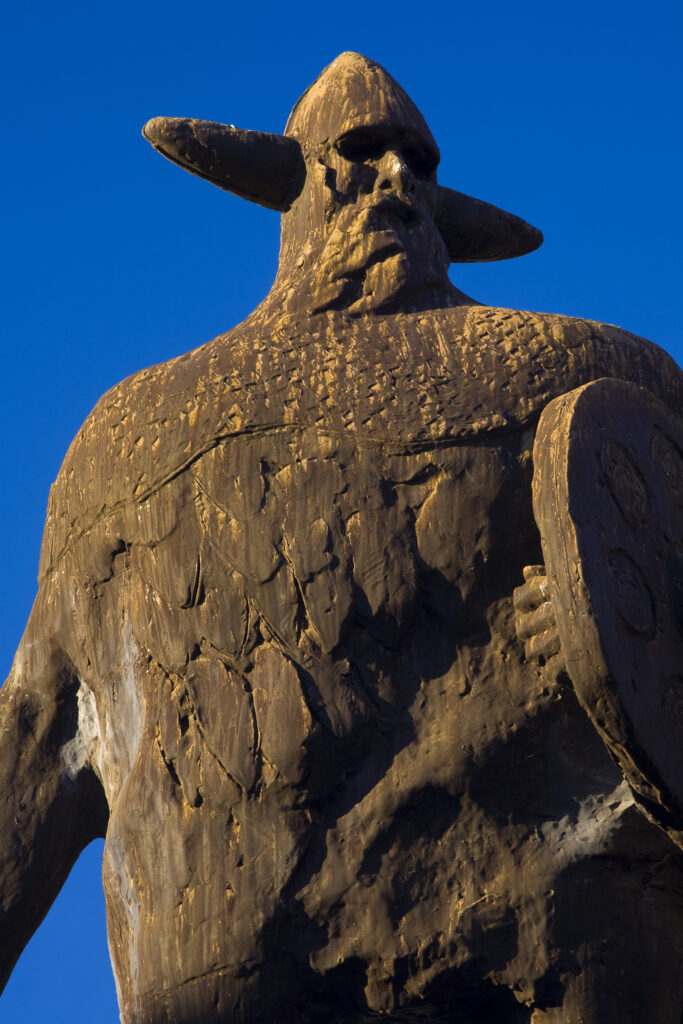
England, Tyne & Wear, Jarrow. Jarrow experienced some of the earliest Viking raids on mainland britain when it was invaded in AD794. Although the invaders were defeated on this occasion, the inhabitants of Jarrow were not so lucky during future Viking raids.
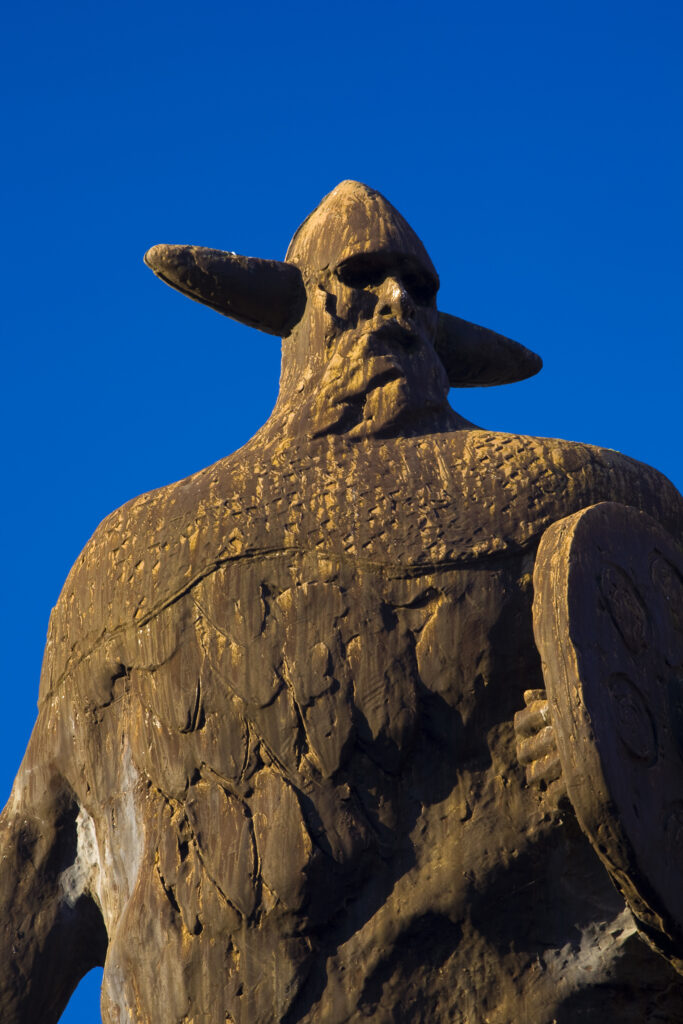
England, Tyne & Wear, Jarrow. Jarrow experienced some of the earliest Viking raids on mainland britain when it was invaded in AD794. Although the invaders were defeated on this occasion, the inhabitants of Jarrow were not so lucky during future Viking raids.
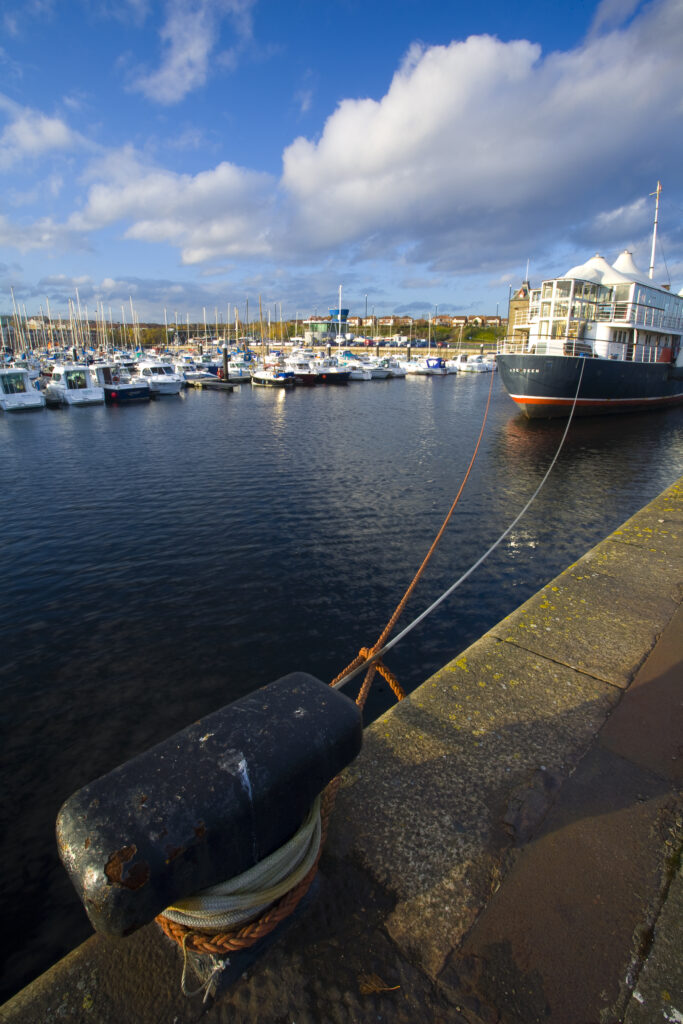
England, Tyne & Wear, Royal Quays. The Earl of Zetland was once a ferry working in the Sheltland Isles. Now it is a floating bar and restaurant moored in the Albert Edward Dock at the Royal Quays Marina in North Tyneside.
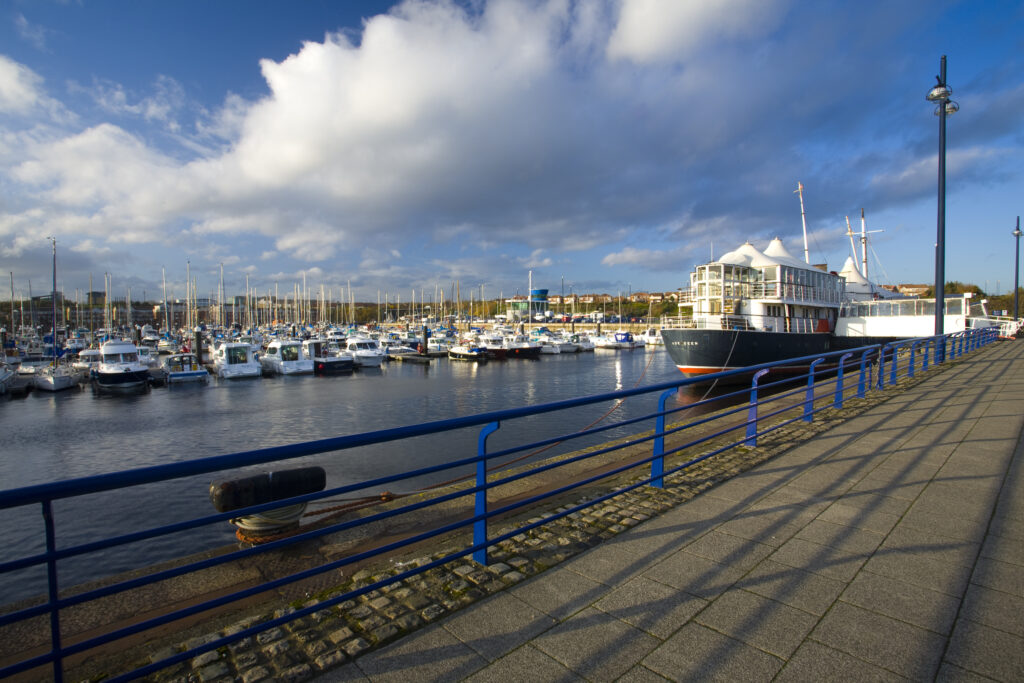
England, Tyne & Wear, Royal Quays. The Earl of Zetland was once a ferry working in the Sheltland Isles. Now it is a floating bar and restaurant moored in the Albert Edward Dock at the Royal Quays Marina in North Tyneside.
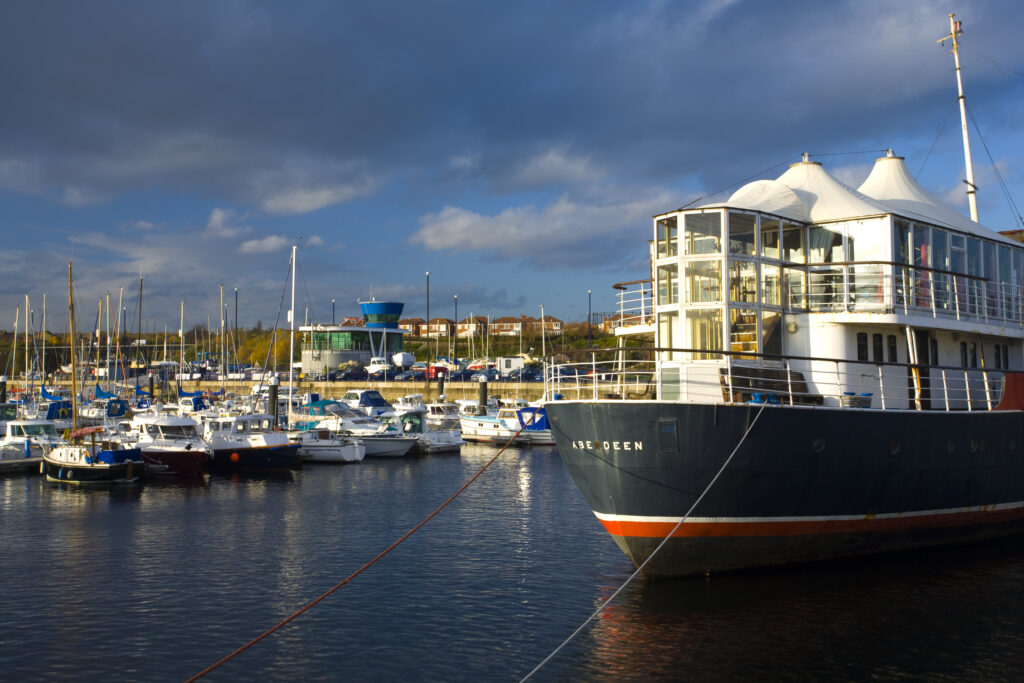
England, Tyne & Wear, Royal Quays. The Earl of Zetland was once a ferry working in the Sheltland Isles. Now it is a floating bar and restaurant moored in the Albert Edward Dock at the Royal Quays Marina in North Tyneside.
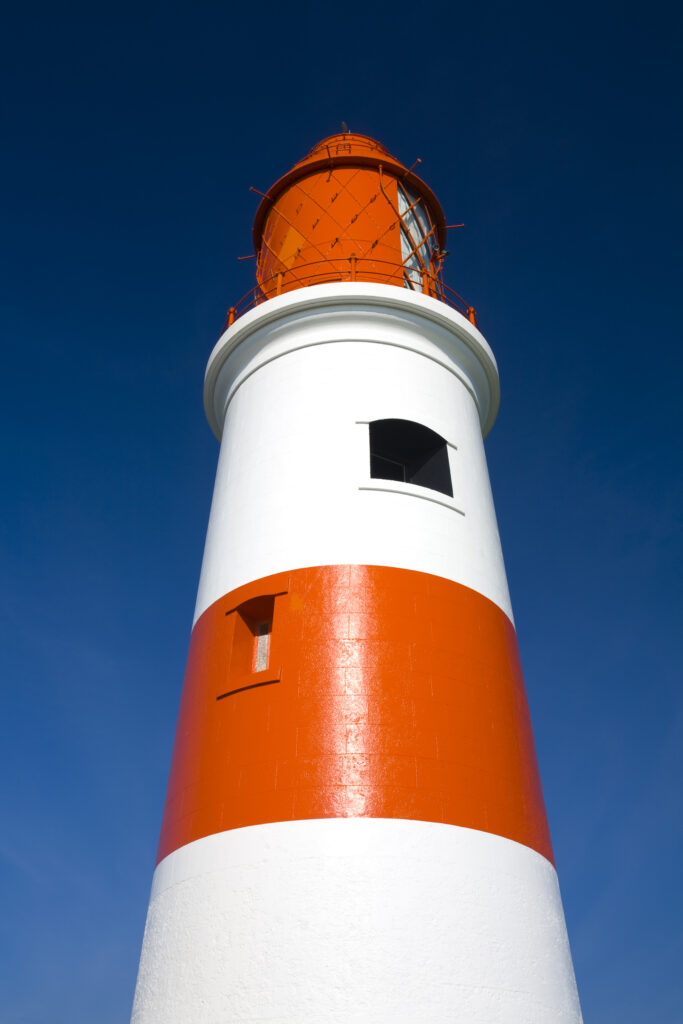
Souter Lighthouse, located on Lizard Point at Marsden, was the world's first electric lighthouse. It has been speculated that the Lighthouse is also one of the most haunted buildings in the UK.
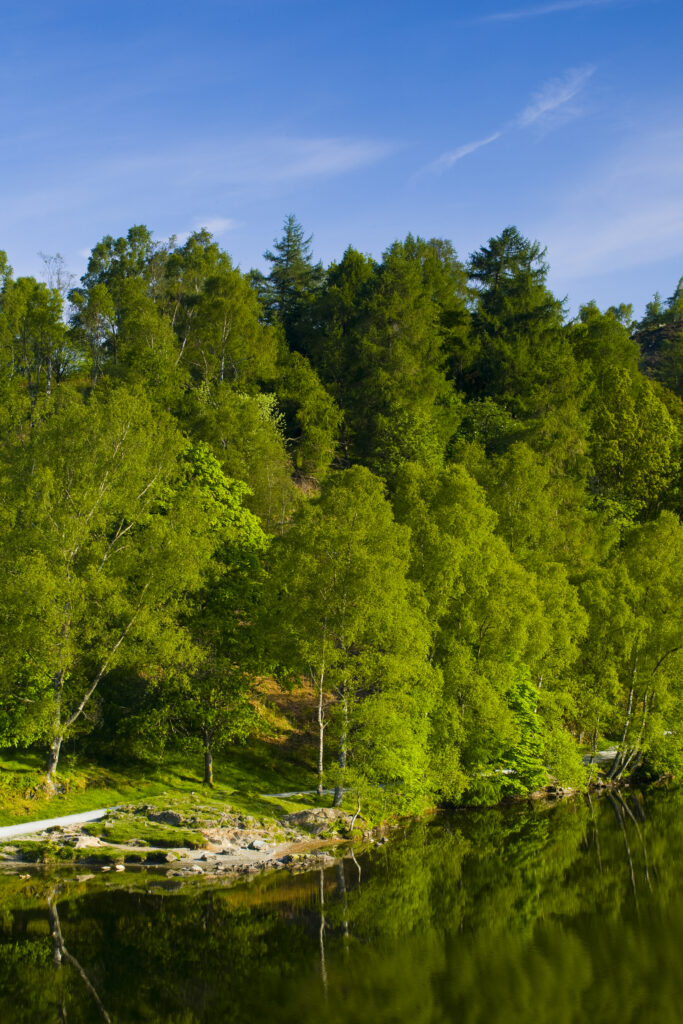
England, Cumbria, Lake District National Park. Birch trees reflected in Tarn Hows, a popular tourist destination once owned by Beatrix Potter and almost a totally artificial landmark. Tarn Hows was actually once two smaller tarns before previous owners merged the two and crafted the surrounding landscape to form the Tarn Hows we now know and love.
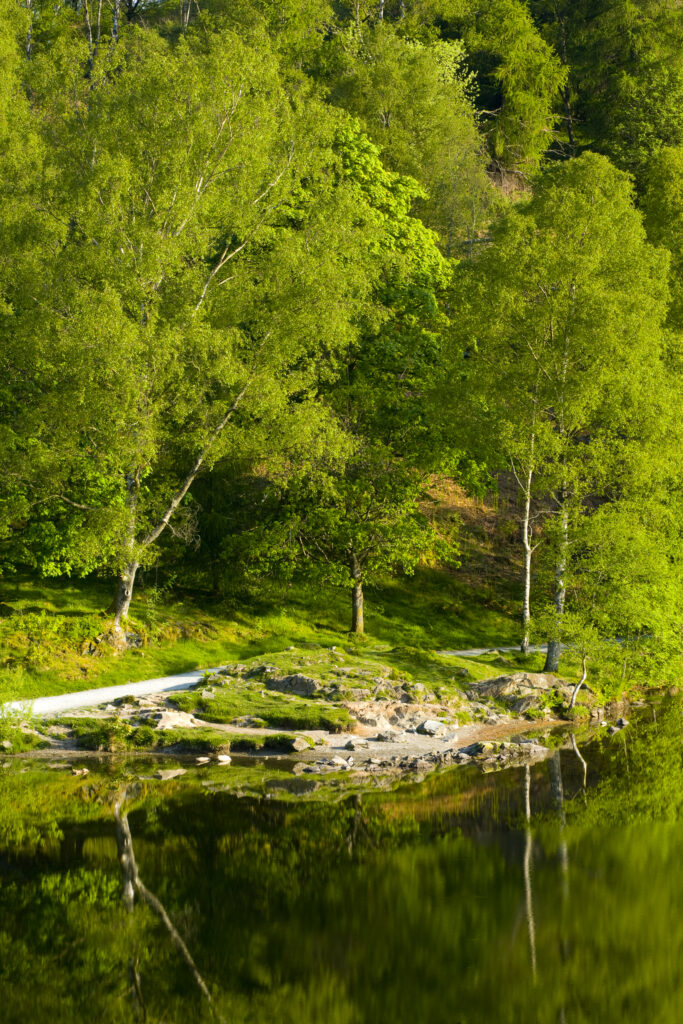
England, Cumbria, Lake District National Park. Birch trees reflected in Tarn Hows, a popular tourist destination once owned by Beatrix Potter and almost a totally artificial landmark. Tarn Hows was actually once two smaller tarns before previous owners merged the two and crafted the surrounding landscape to form the Tarn Hows we now know and love.
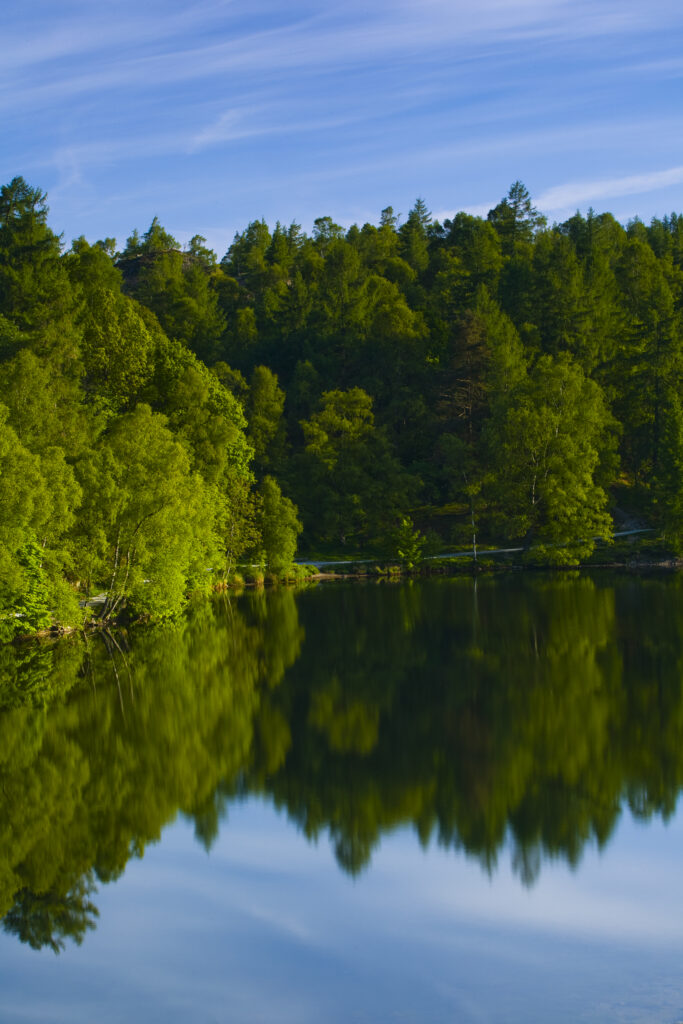
England, Cumbria, Lake District National Park. Birch trees reflected in Tarn Hows, a popular tourist destination once owned by Beatrix Potter and almost a totally artificial landmark. Tarn Hows was actually once two smaller tarns before previous owners merged the two and crafted the surrounding landscape to form the Tarn Hows we now know and love.
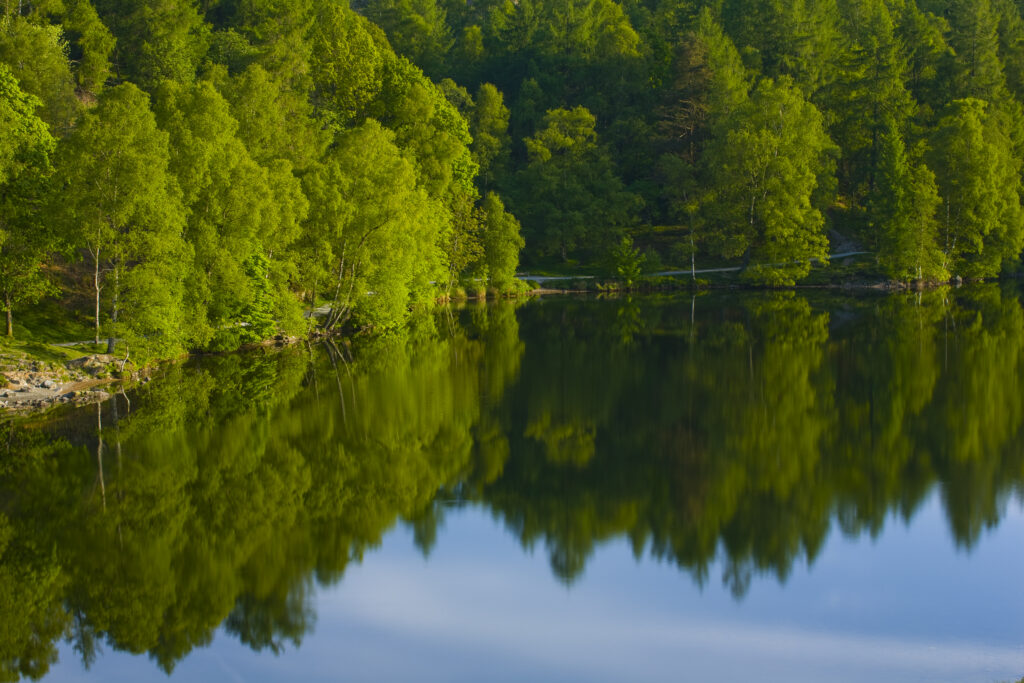
England, Cumbria, Lake District National Park. Birch trees reflected in Tarn Hows, a popular tourist destination once owned by Beatrix Potter and almost a totally artificial landmark. Tarn Hows was actually once two smaller tarns before previous owners merged the two and crafted the surrounding landscape to form the Tarn Hows we now know and love.
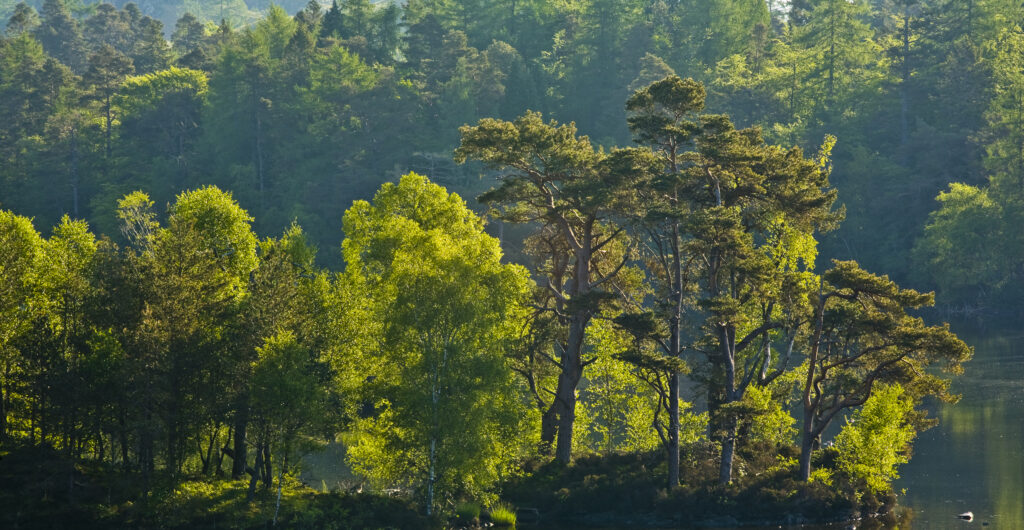
England, Cumbria, Lake District National Park. Mix of deciduous and evergreen trees surrounding the waters edge of Tarn Hows, a popular tourist destination once owned by Beatrix Potter and almost a totally artificial landmark. Tarn Hows was actually once two smaller tarns before previous owners merged the two and crafted the surrounding landscape to form the Tarn Hows we now know and love.
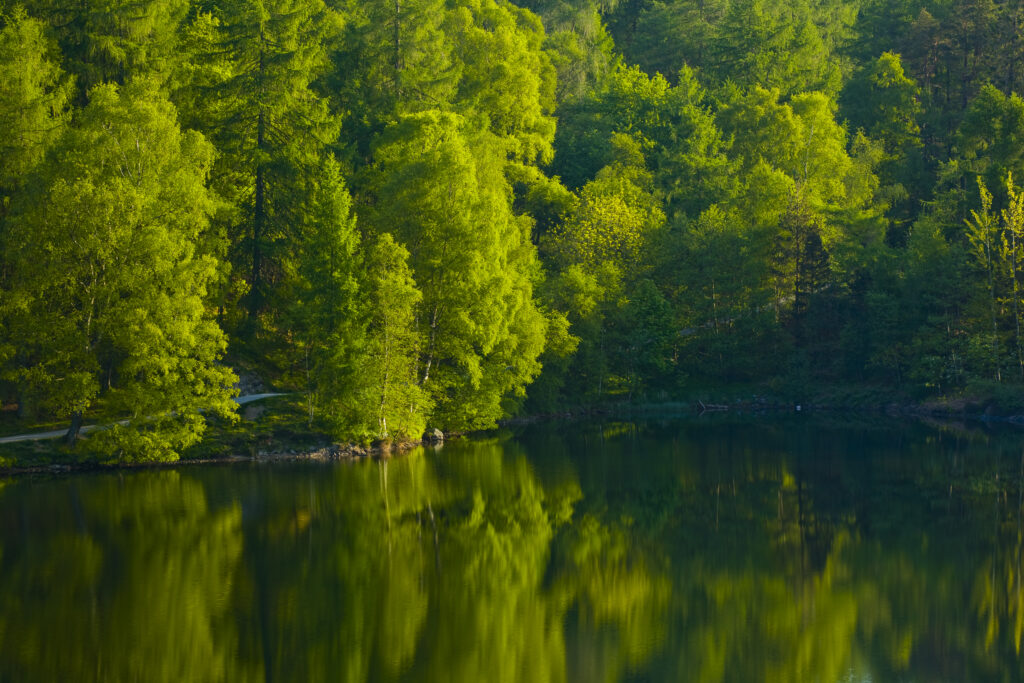
England, Cumbria, Lake District National Park. Birch trees reflected in Tarn Hows, a popular tourist destination once owned by Beatrix Potter and almost a totally artificial landmark. Tarn Hows was actually once two smaller tarns before previous owners merged the two and crafted the surrounding landscape to form the Tarn Hows we now know and love.
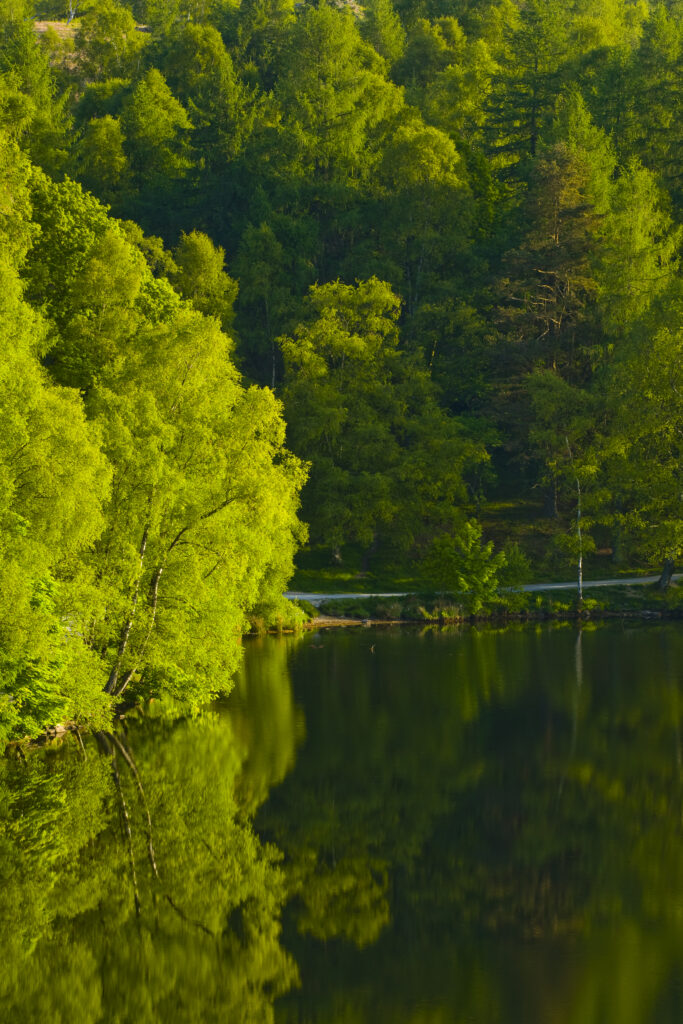
England, Cumbria, Lake District National Park. Birch trees reflected in Tarn Hows, a popular tourist destination once owned by Beatrix Potter and almost a totally artificial landmark. Tarn Hows was actually once two smaller tarns before previous owners merged the two and crafted the surrounding landscape to form the Tarn Hows we now know and love.
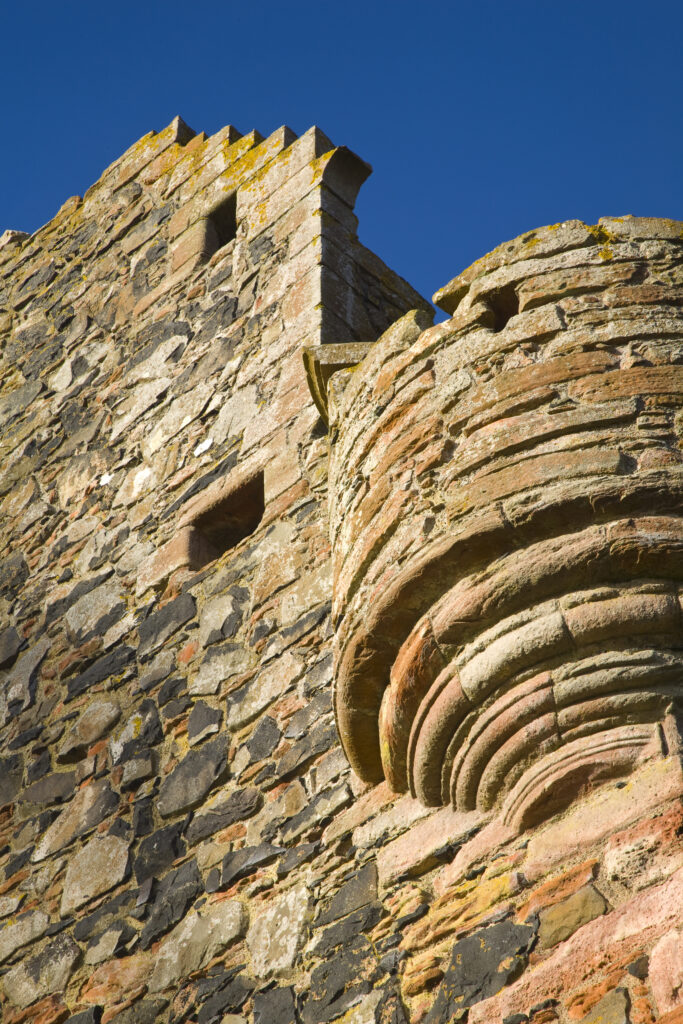
Scotland, Scottish Borders, Greenknowe Tower. Greenknowe Tower, a typical example of a tower-house. The tower-house was the traditional home of the Scottish Laird.
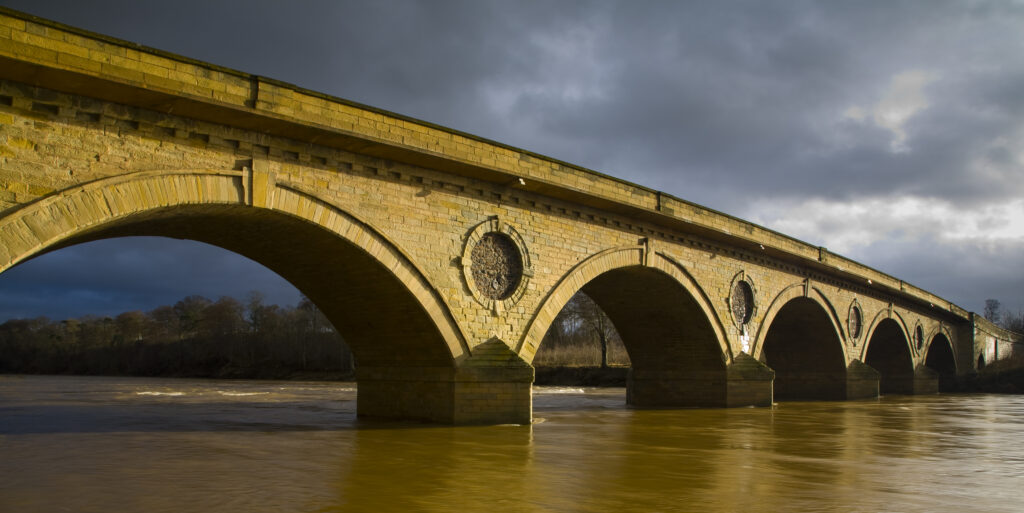
Scotland, Scottish Borders, Coldstream. Smeaton's seven arched bridge near Coldstream, was constructed between 1763 to 1766. Robert Burns famously crossed the bridge into England for the first time on the 7th May 1787.
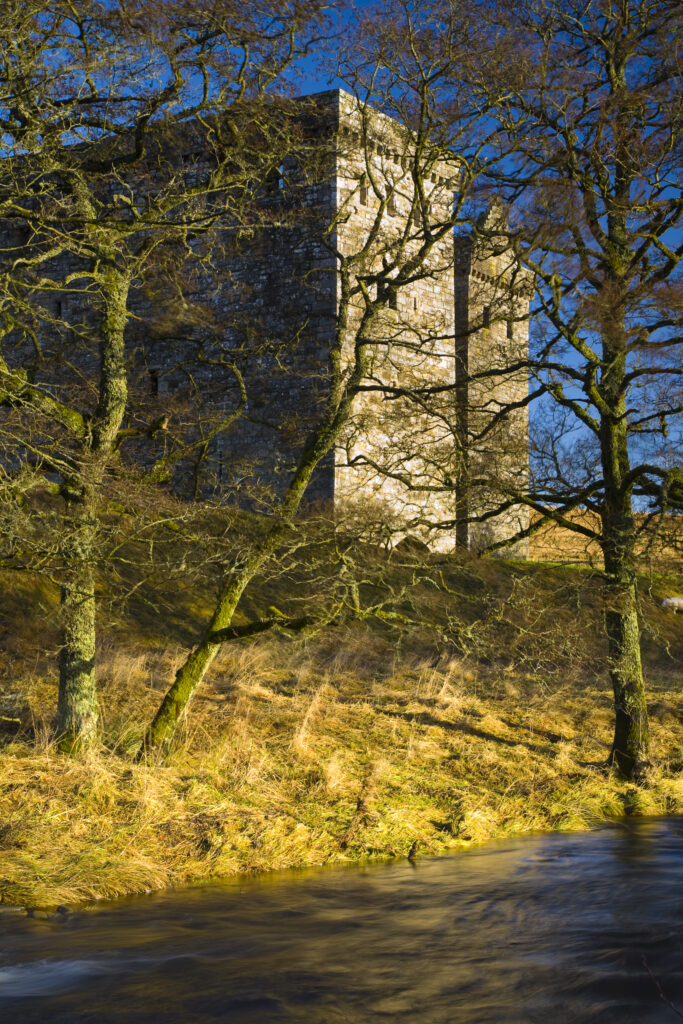
Scotland, Scottish Borders, Hermitage Castle. Hermitage water running in front of the Hermitage Castle. The castle has a somewhat colourful history with numerous stories of war, treason and murder being associated with the property. It was built in an area considered to be a key element in the English and Scottish wars for control over the Liddesdale and the border area.
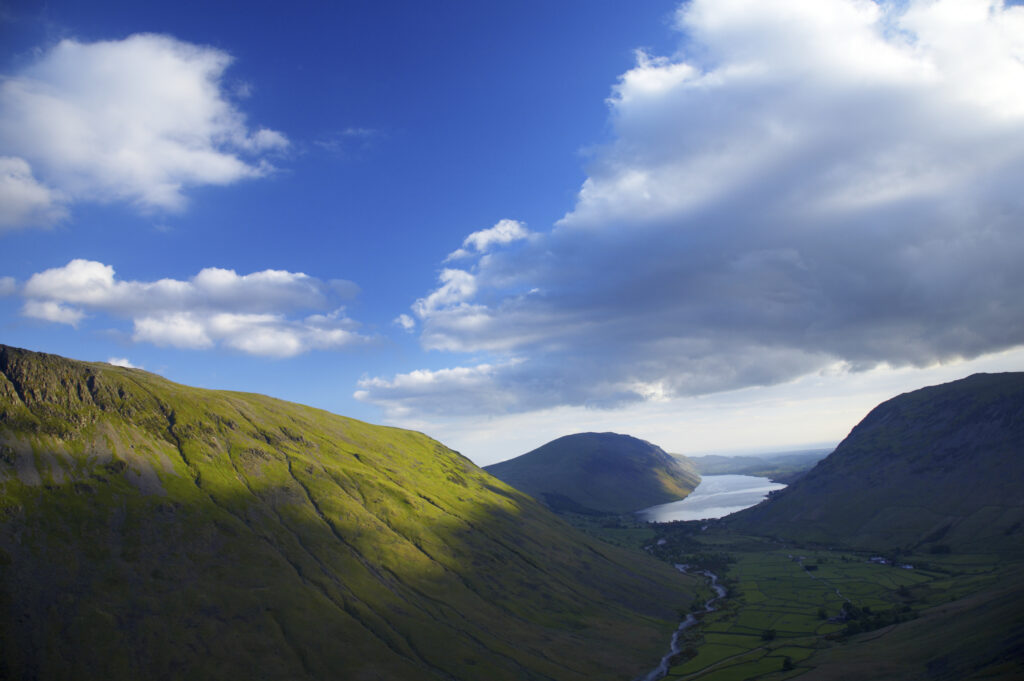
England, Cumbria, Lake District National Park.View from the lower slopes of Great Gable towards wastwater and wasdale
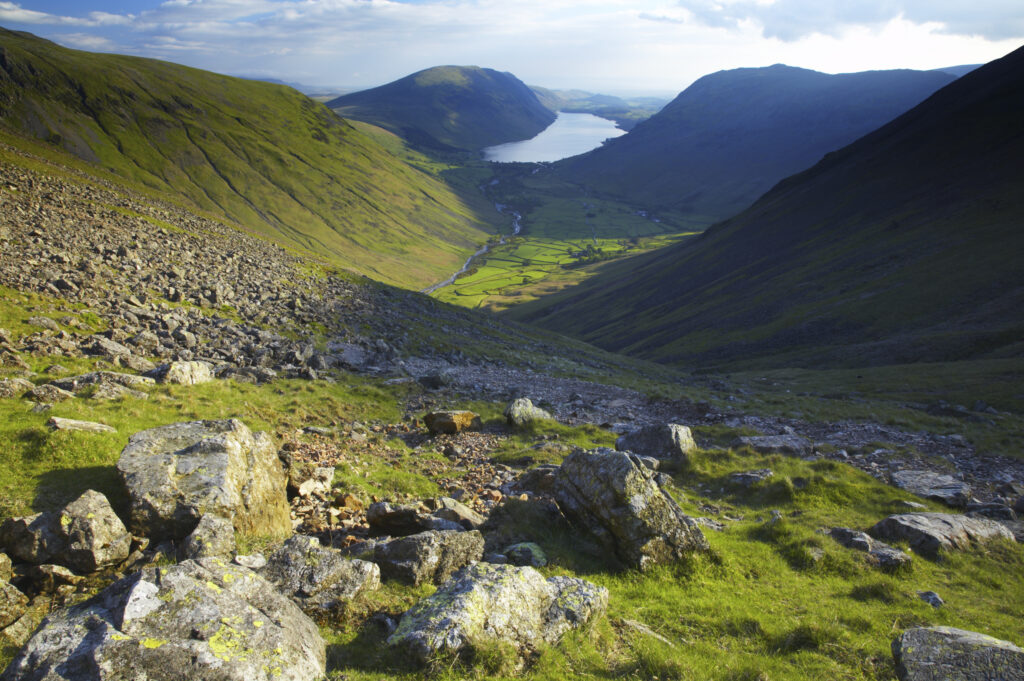
England, Cumbria, Lake District National Park.View from the lower slopes of Great Gable towards wastwater and wasdale
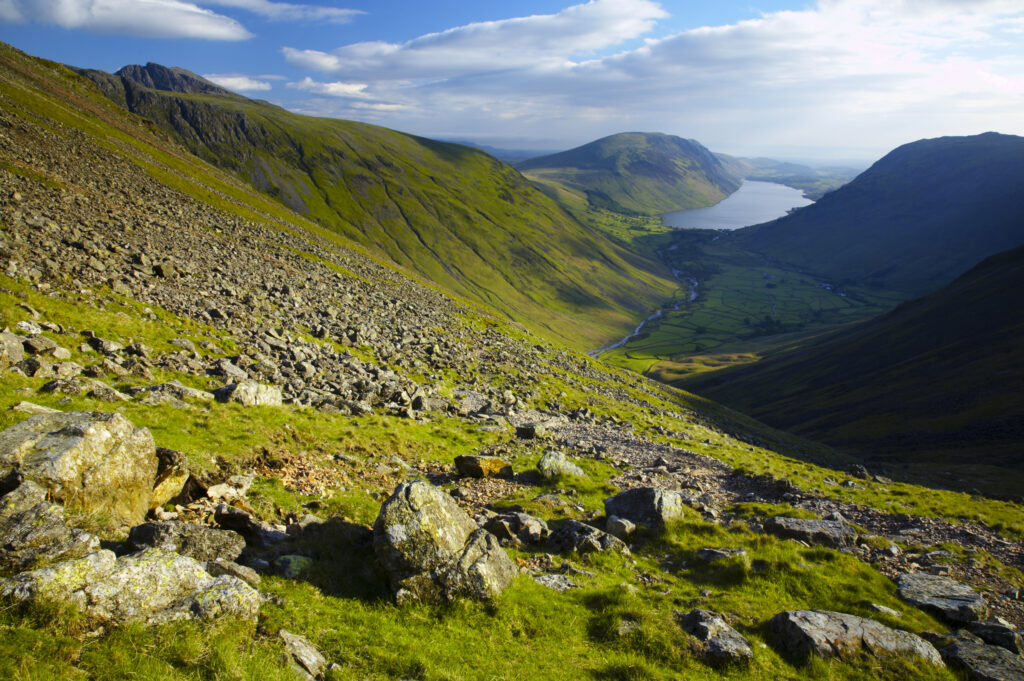
England, Cumbria, Lake District National Park.View from the lower slopes of Great Gable towards wastwater and wasdale
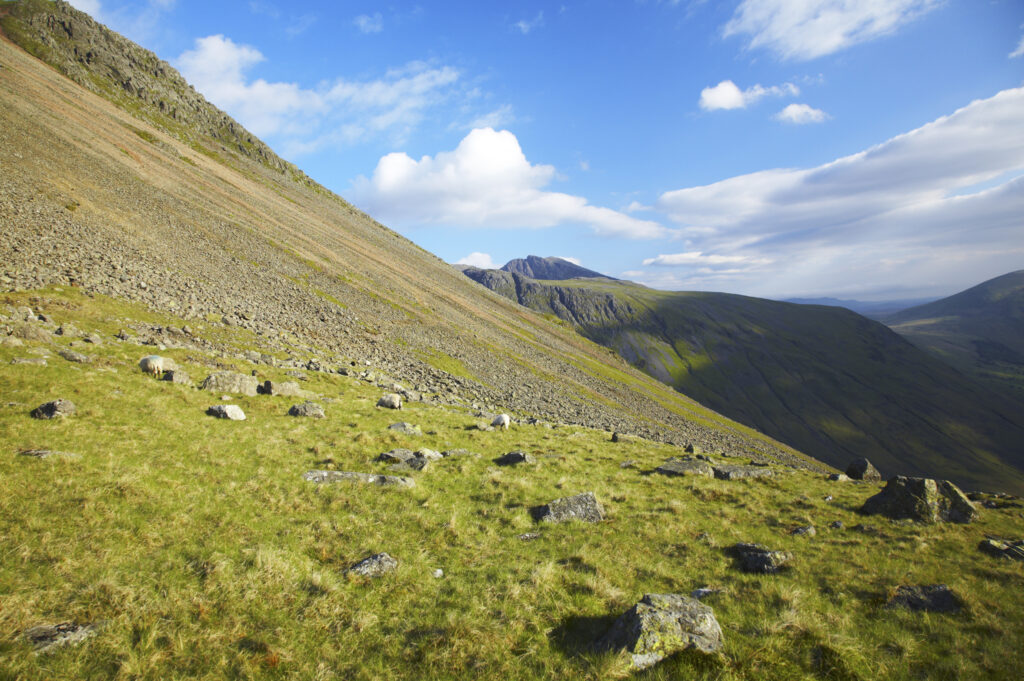
England, Cumbria, Lake District National Park.View from the lower slopes of Great Gable towards wastwater and wasdale
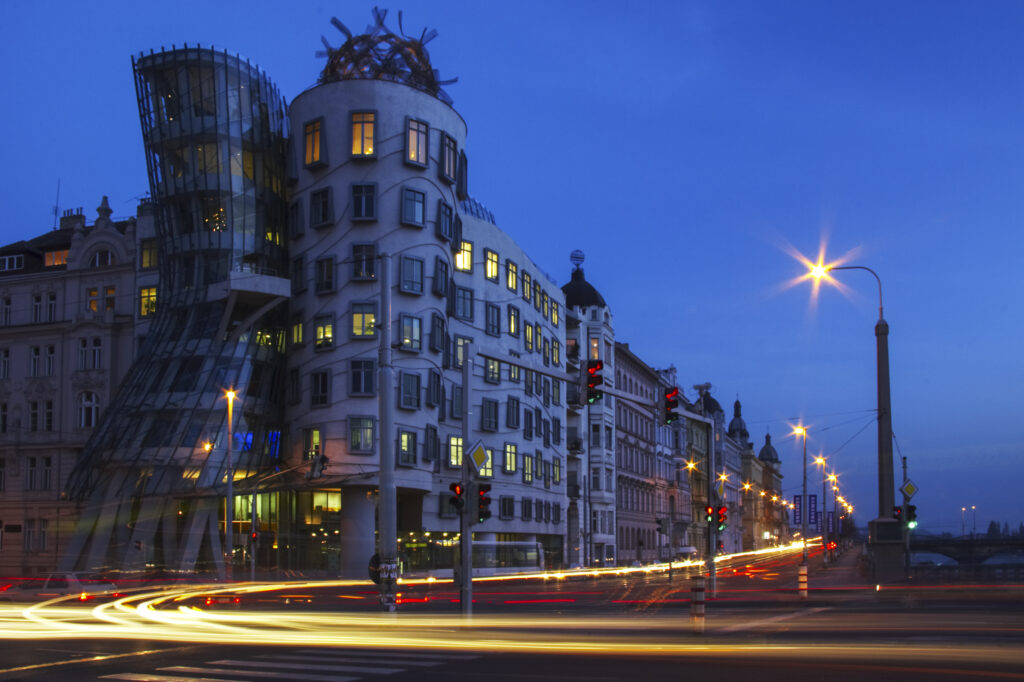
Czech Republic, Prague, Fred and Ginger Building. Cityscape scene at dusk of the Fred and Ginger commercial building. The Fred and Ginger building in Prague was built in 1996 and designed by Frank O Gehry. The design resembles a dancing couple.
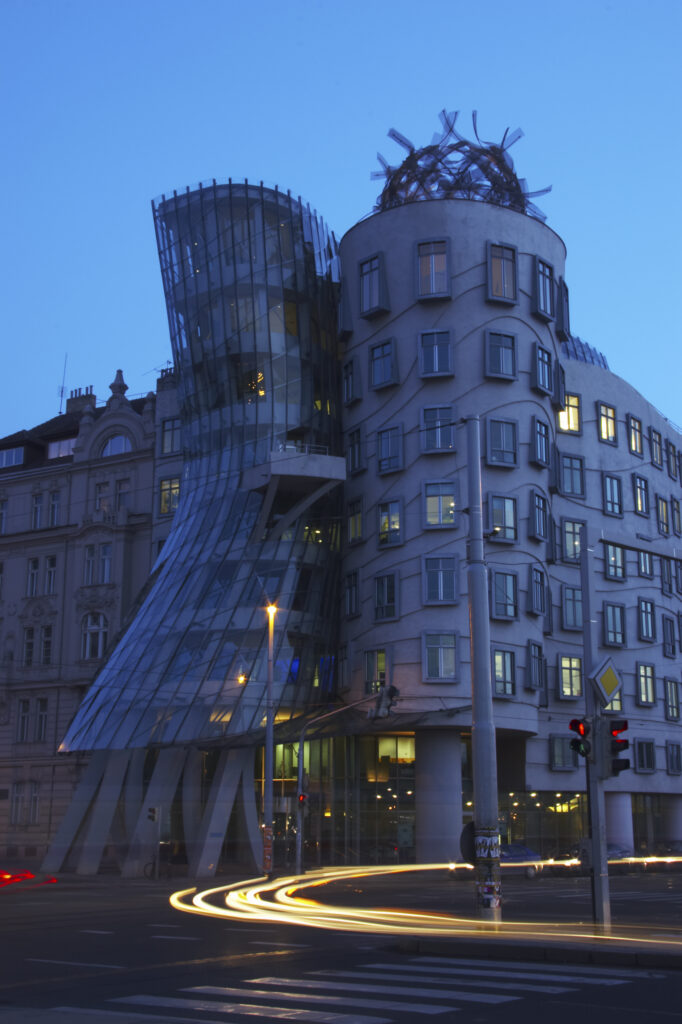
Czech Republic, Prague, Fred and Ginger Building. Cityscape scene at dusk of the Fred and Ginger commercial building. The Fred and Ginger building in Prague was built in 1996 and designed by Frank O Gehry. The design resembles a dancing couple.
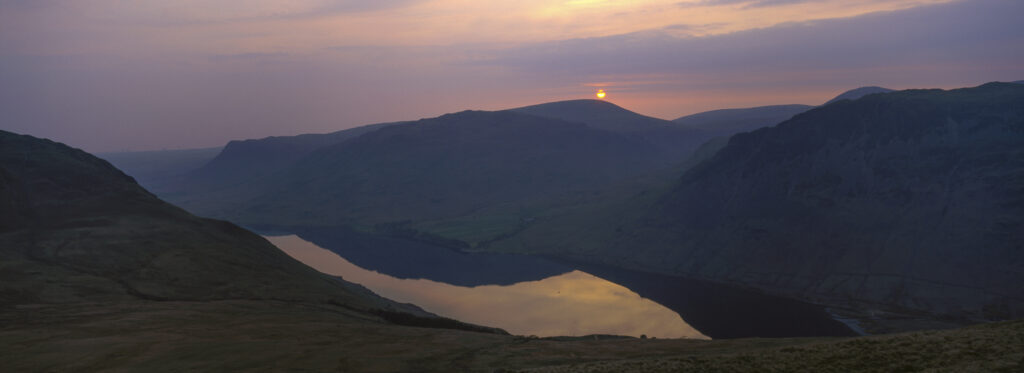
ENGLAND Cumbria Lake District National Park Sunset reflected in the still waters of Wast Water Englands deepest lake.
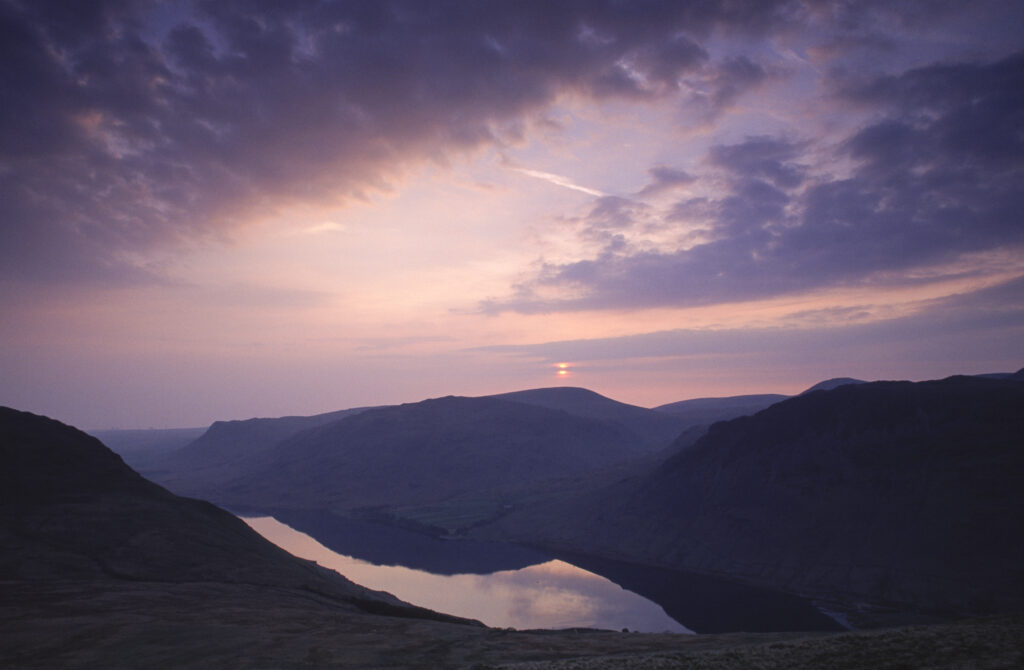
ENGLAND, Cumbria, Lake District National Park. Sunset reflected in the still waters of Wast Water Englands deepest lake
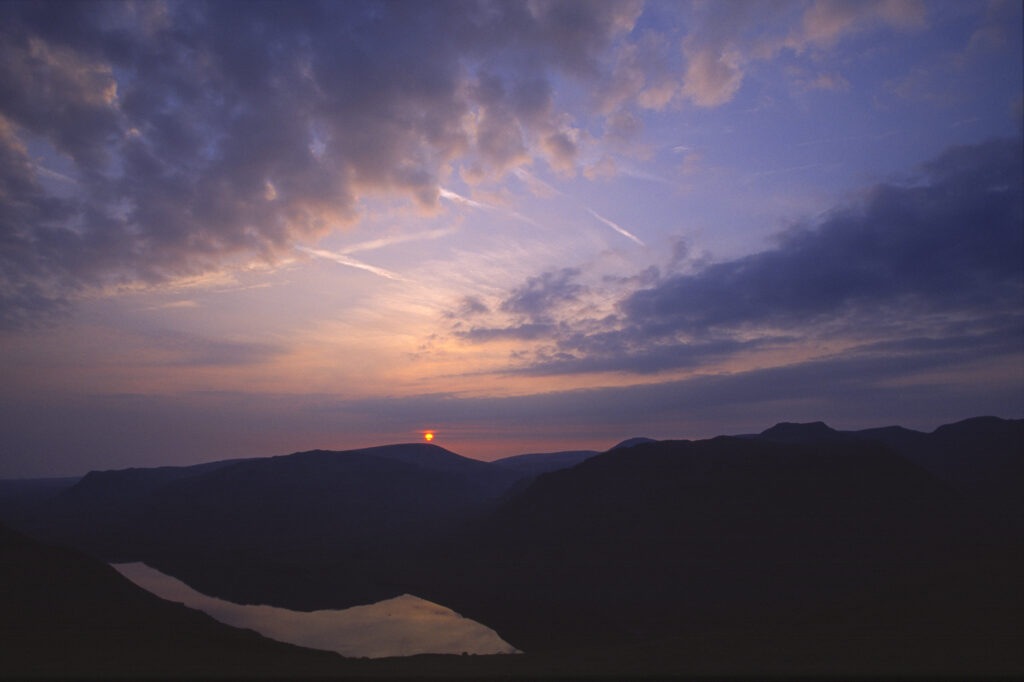
ENGLAND, Cumbria, Lake District National Park. Sunset reflected in the still waters of Wast Water Englands deepest lake
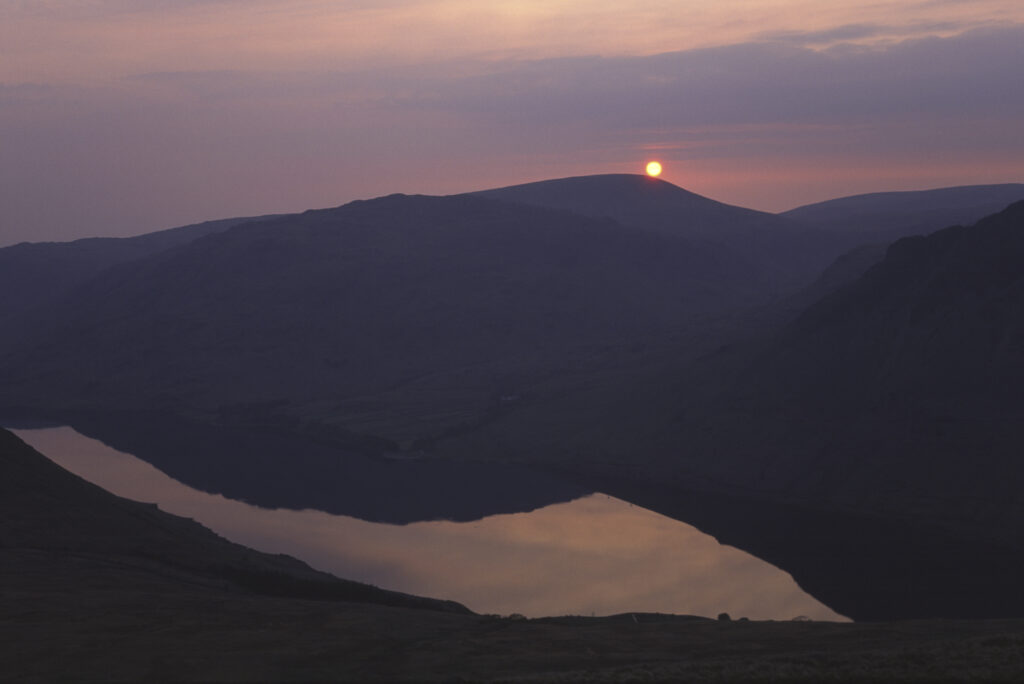
ENGLAND, Cumbria, Lake District National Park. Sunset reflected in the still waters of Wast Water Englands deepest lake
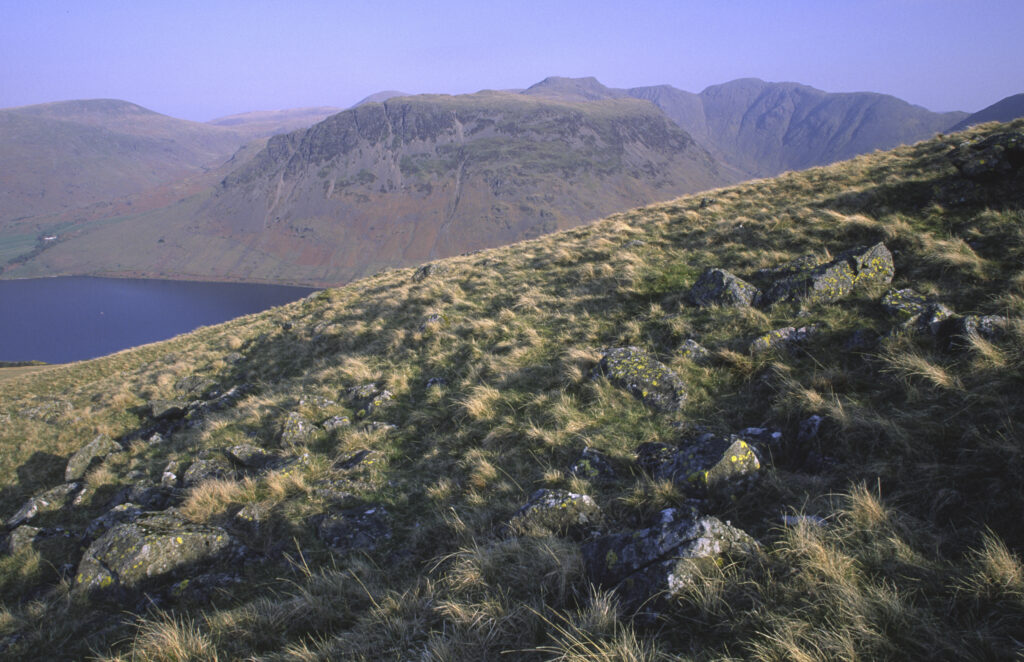
ENGLAND, Cumbria, Lake District National Park. Early morning light illuminates the hills surrounding Wast Water
Favourites
Photofeed
