
Your search for “no” returned 4555 images.
Clear Search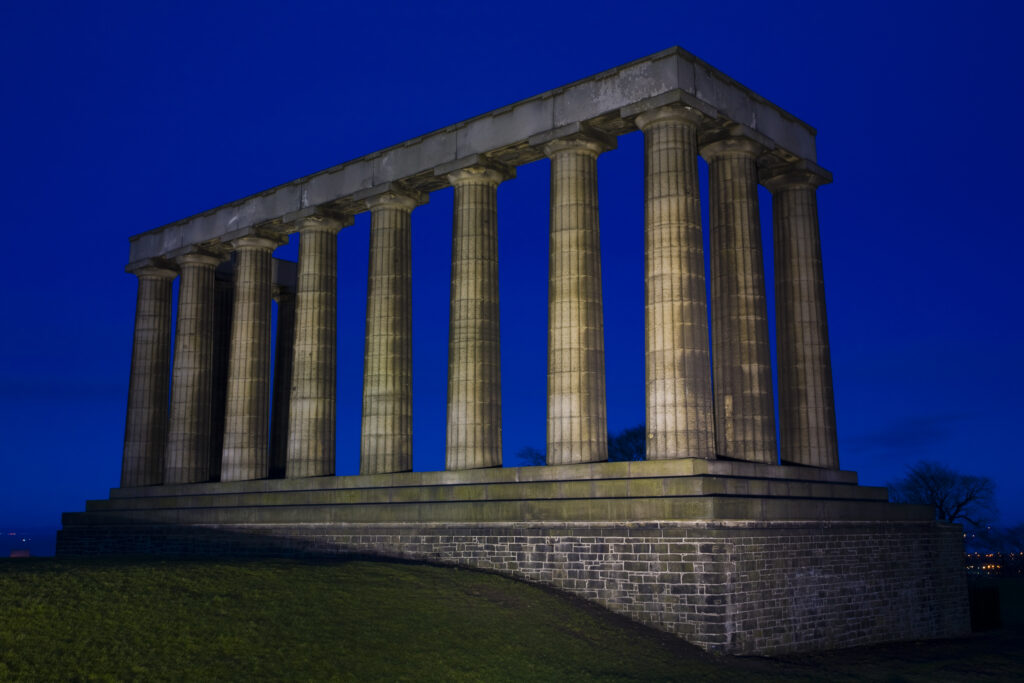
Scotland, Edinburgh, Calton Hill. The National Monument on Calton Hill, known by many as Edinburgh's Disgrace as it is considered to be an incomplete construction due to lack of available funds.
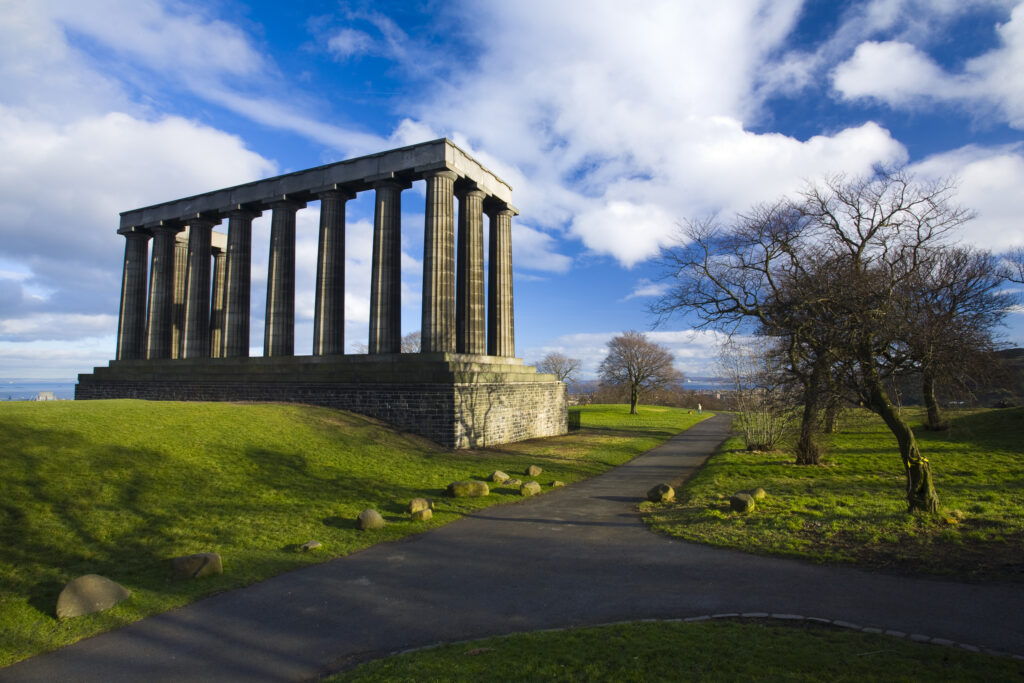
Scotland, Edinburgh, Calton Hill. The National Monument on Calton Hill, known by many as Edinburgh's Disgrace as it is considered to be an incomplete construction due to lack of available funds.
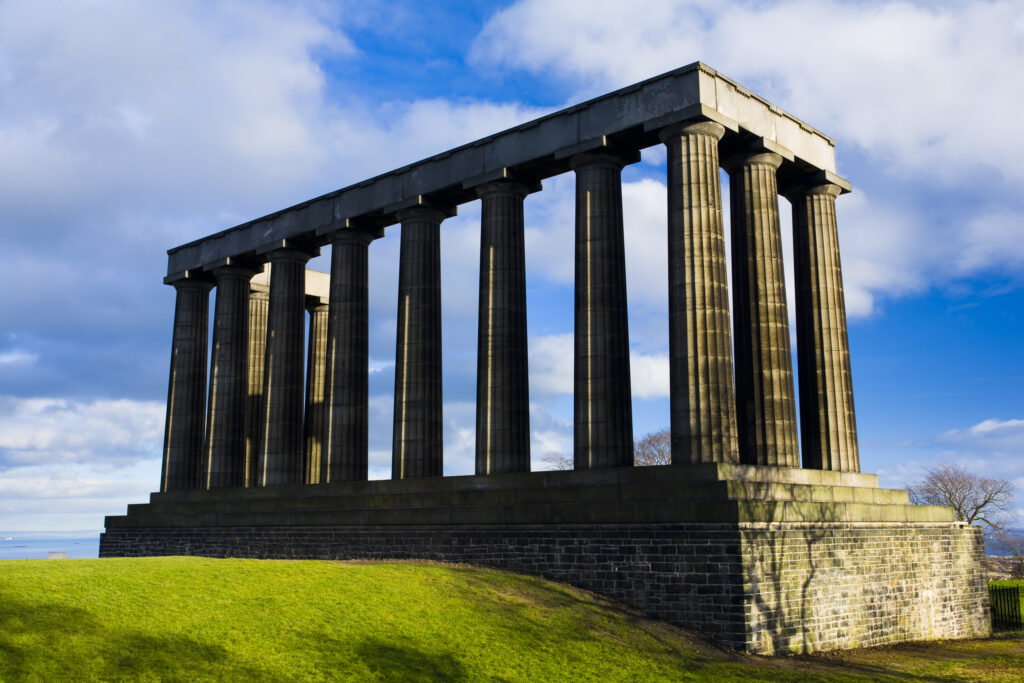
Scotland, Edinburgh, Calton Hill. The National Monument on Calton Hill, known by many as Edinburgh's Disgrace as it is considered to be an incomplete construction due to lack of available funds.
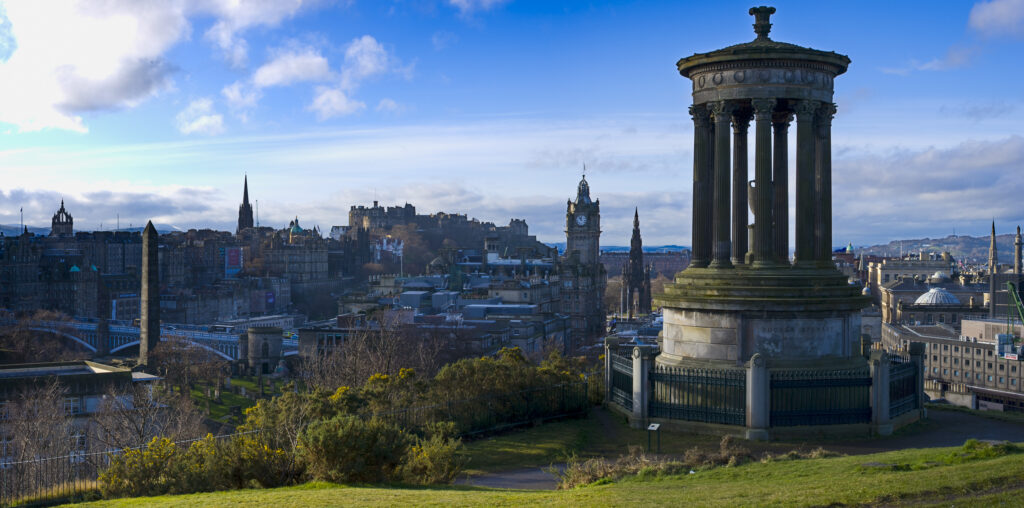
Scotland, Edinburgh, Calton Hill. The Dugald Stewart Monument on Calton Hill, looking towards the Castle and Old Town of Edinburgh.
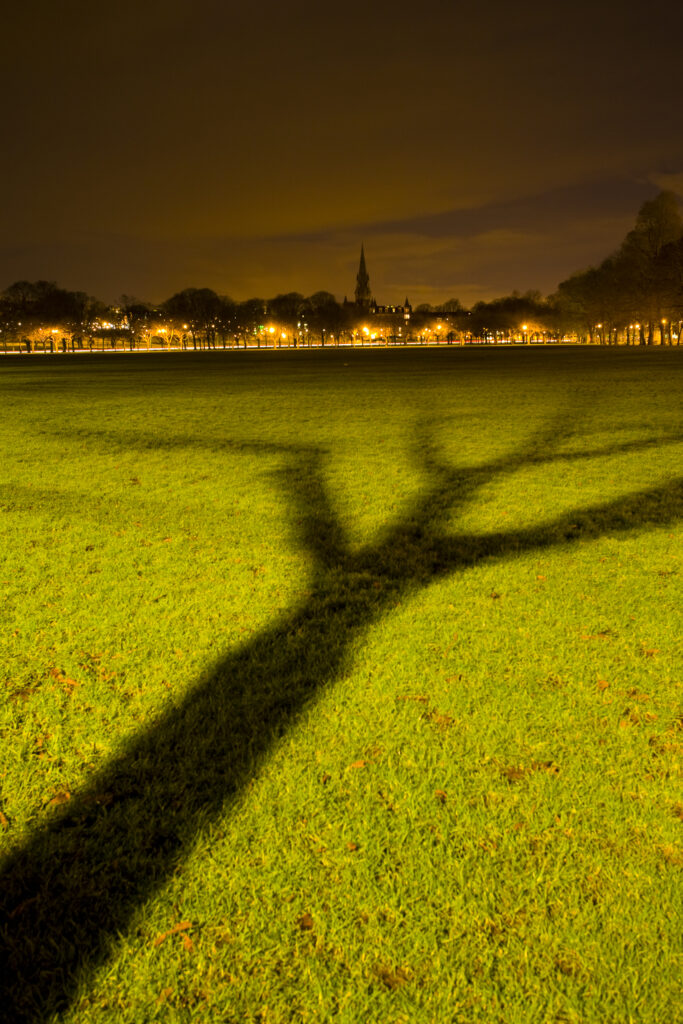
Scotland, Edinburgh, Edinburgh City. Originally a loch, the Meadows is now a large expanse of open greenery found near the centre of the city.
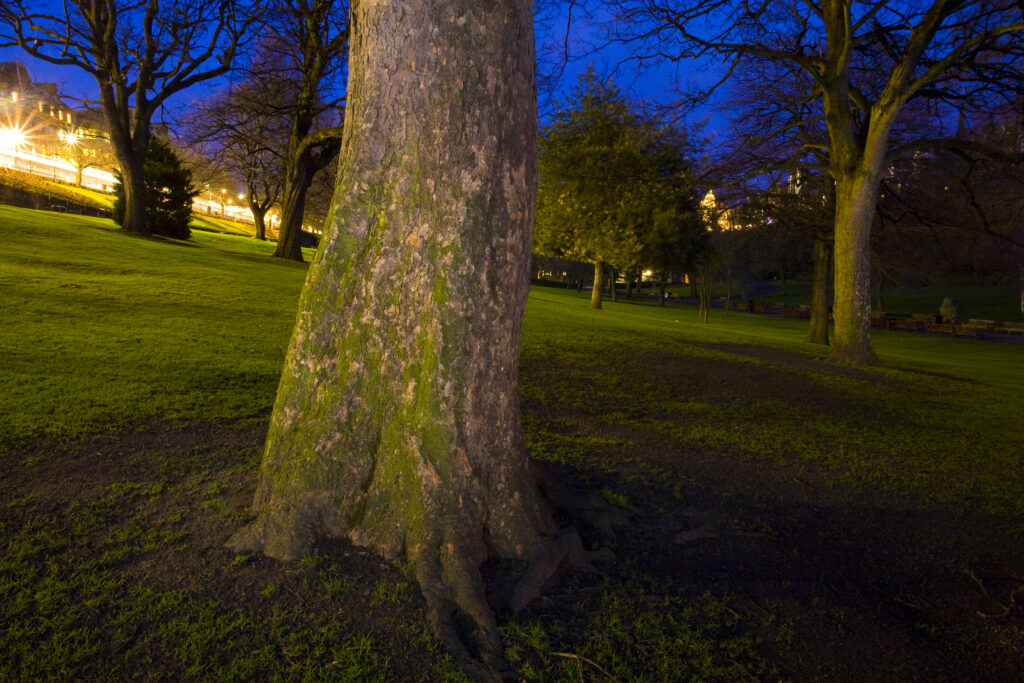
Scotland, Edinburgh, Princes Street. Princes Street Gardens were created in the 1820's when the Nor Loch was drained.
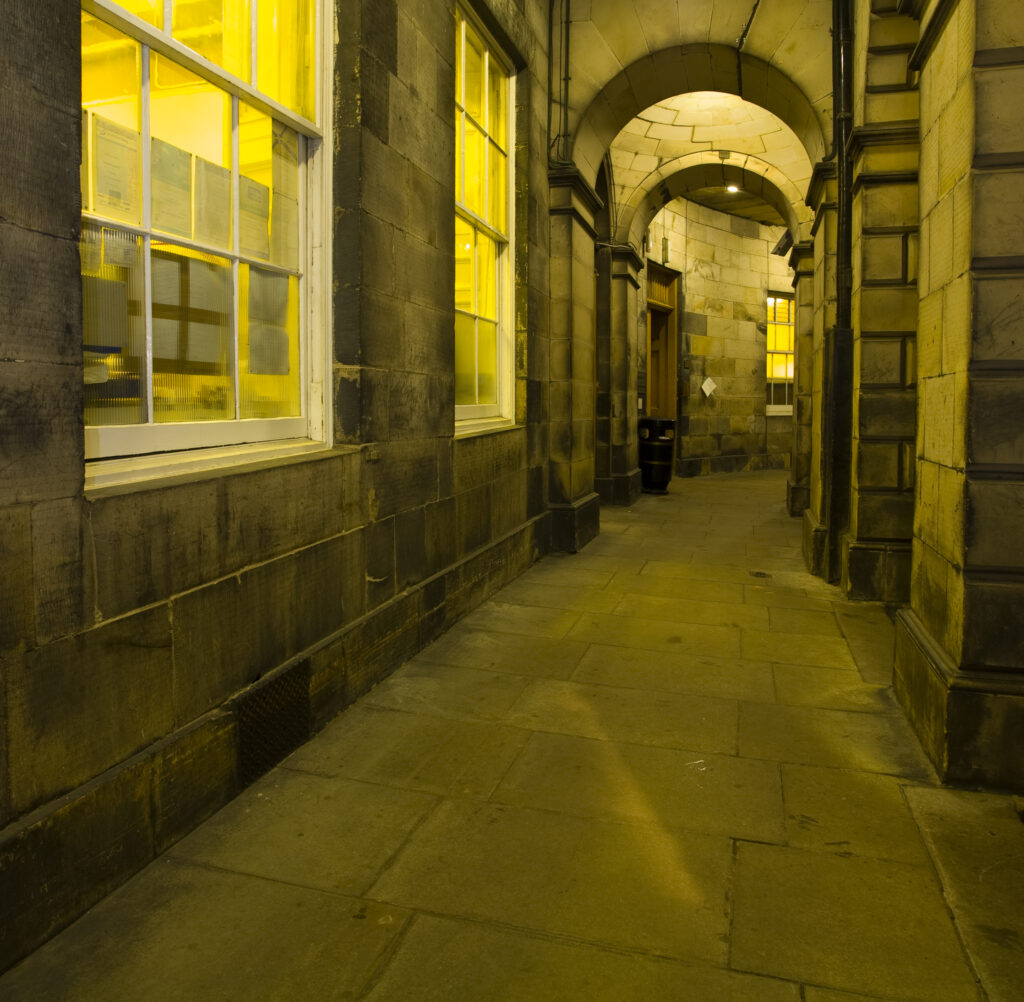
Scotland, Edinburgh, Parliament Square. Covered walkway at Parliament House, originally home of the Scottish Parliament but now host to the Supreme Courts of Scotland.
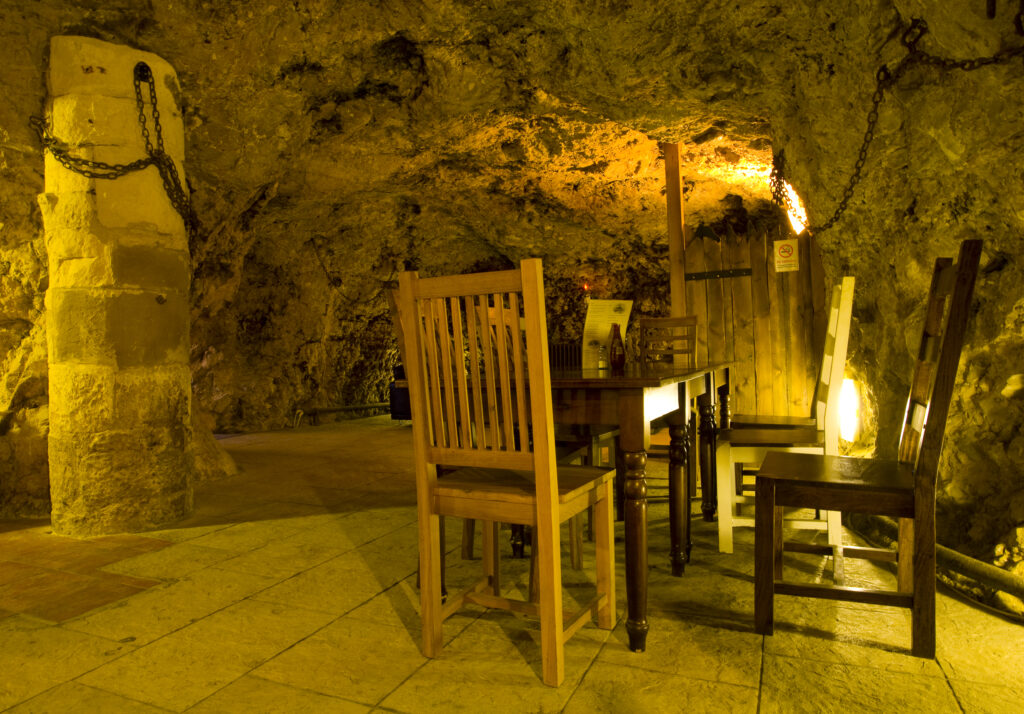
England, Tyne and Wear, Marsden. Marsden Grotto located in Marsden Bay, South Tyneside. Marsden Grotto is the only restaurant and bar in a cave to be found in Europe.
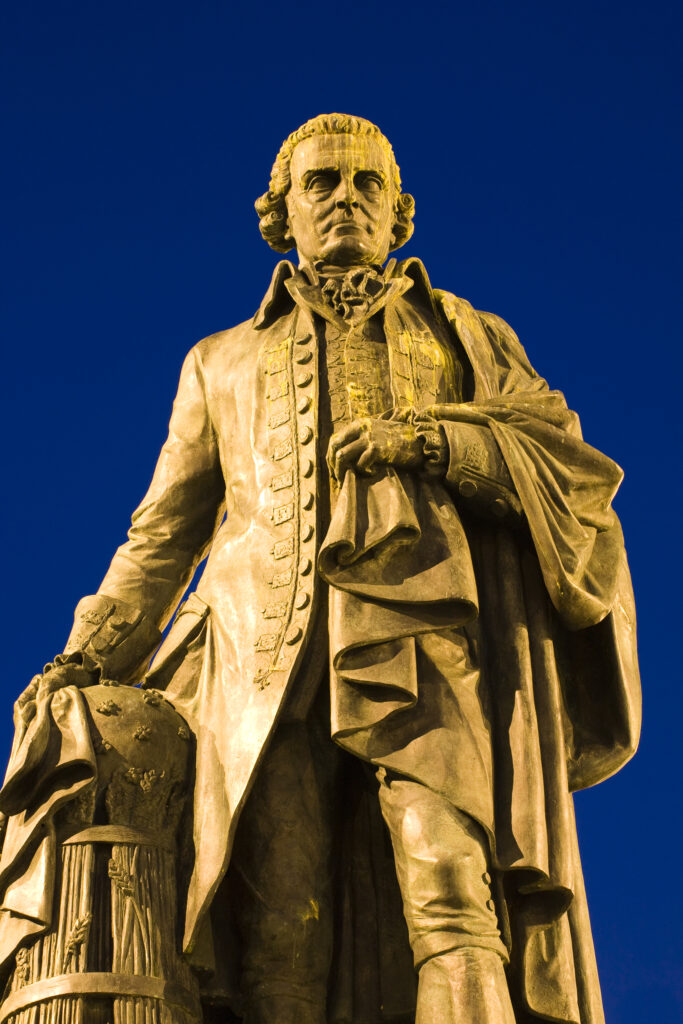
Scotland, Edinburgh, The Royal Mile. Statue of Adam Smith, considered by many to be the father of modern economics, looking towards his home town of Kircaldy across the river Forth.
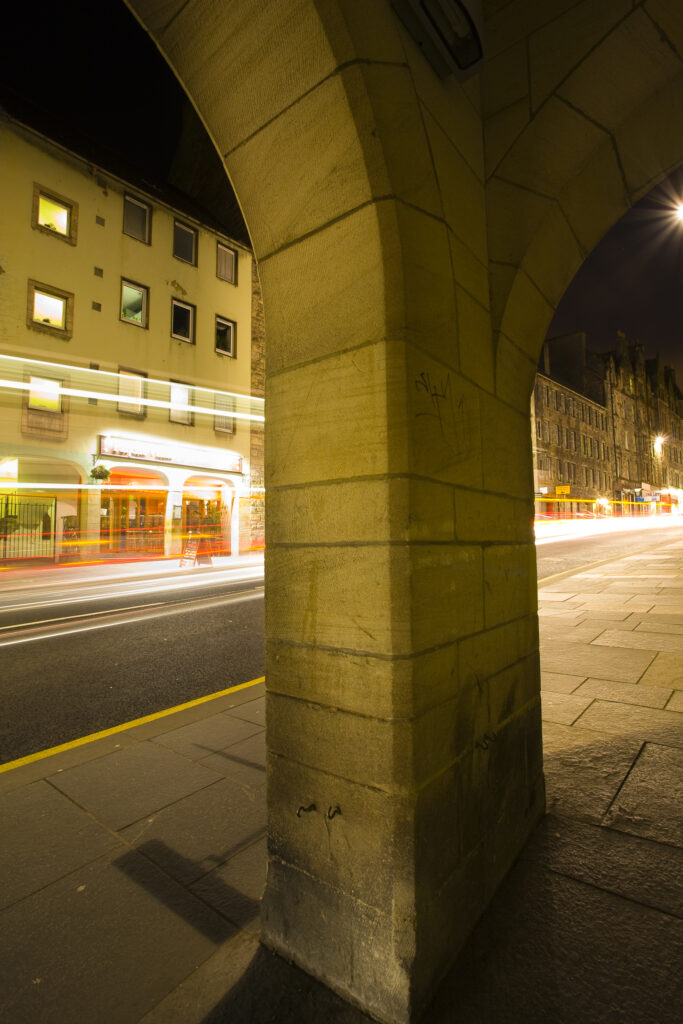
Scotland, Edinburgh, The Royal Mile. Traffic on the Canongate, part of the Royal Mile.
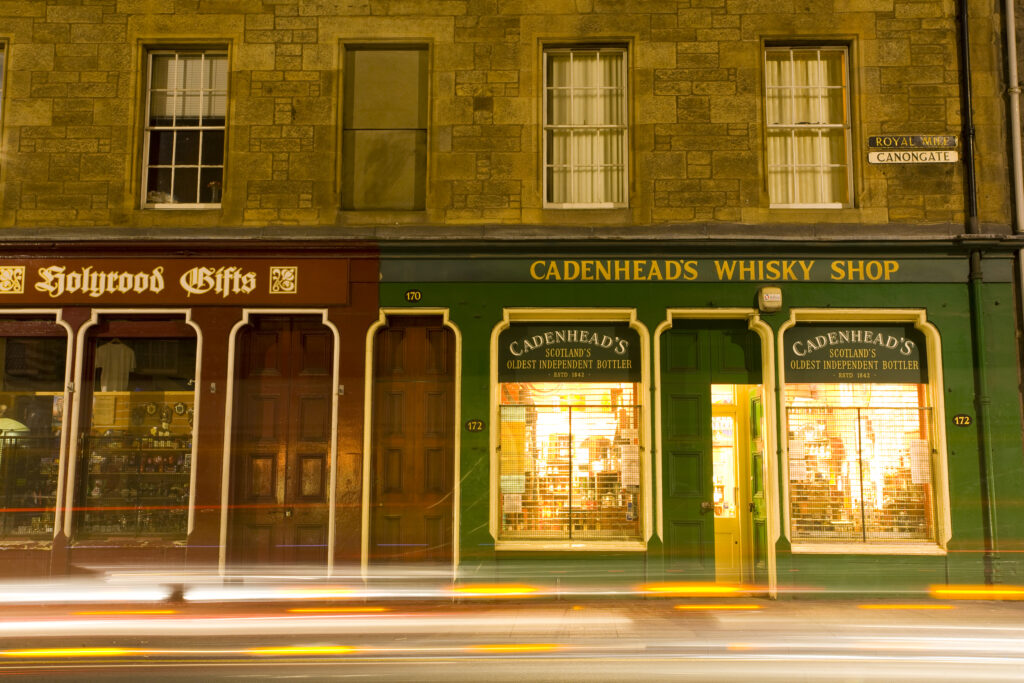
Scotland, Edinburgh, The Royal Mile. Whisky shop on Canongate, part of the Royal Mile.
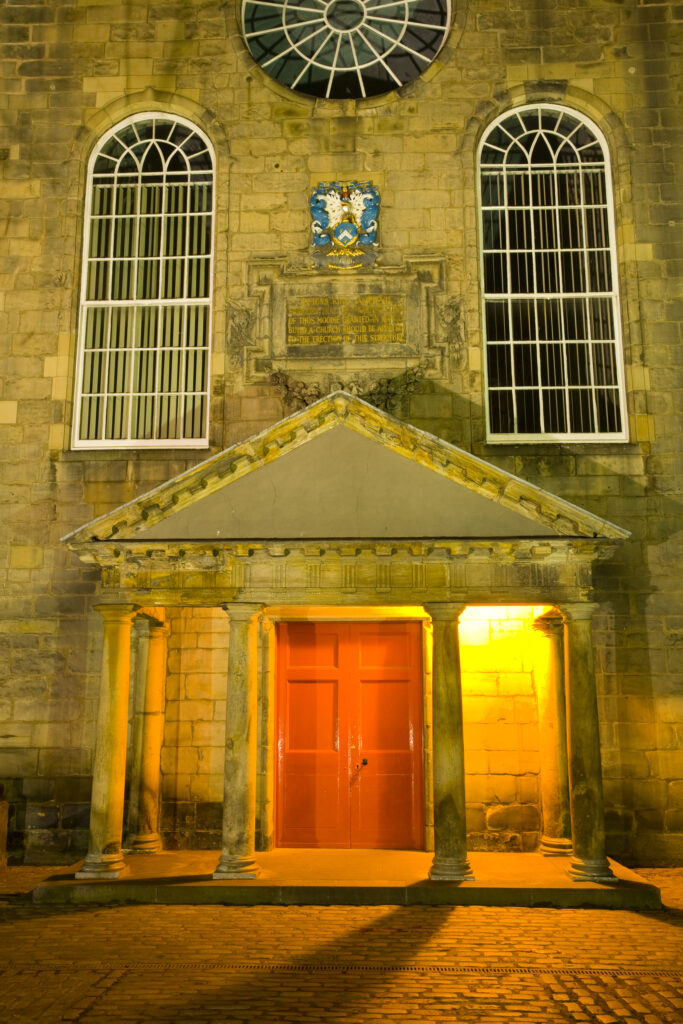
Scotland, Edinburgh, The Royal Mile. Canongate Kirk, located in Canongate a former separate burgh before becoming part of Edinburgh in 1856, was built in 1691 by Scottish architect James Smith.
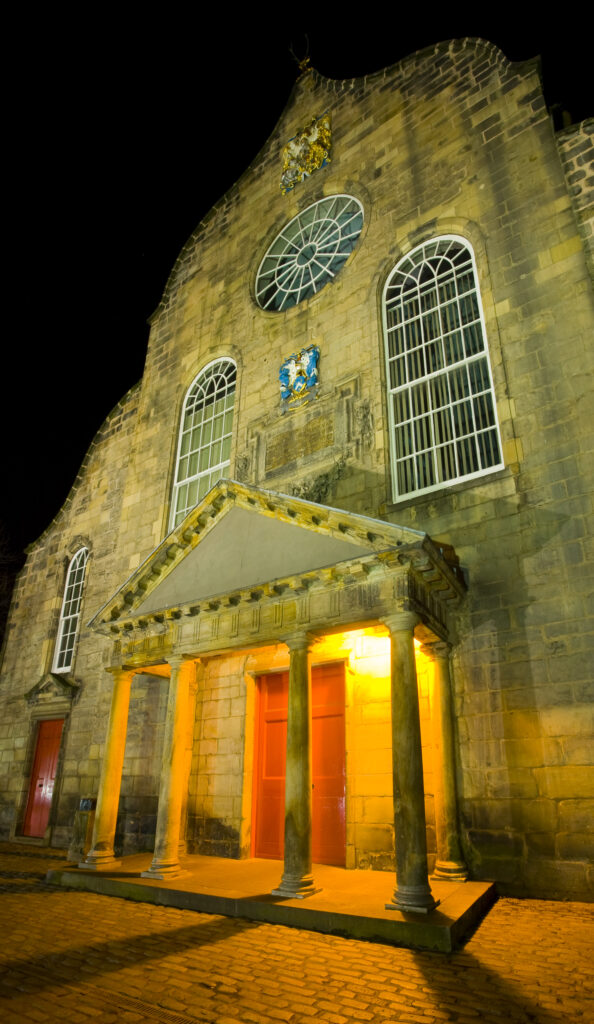
Scotland, Edinburgh, The Royal Mile. Canongate Kirk, located in Canongate a former separate burgh before becoming part of Edinburgh in 1856, was built in 1691 by Scottish architect James Smith.
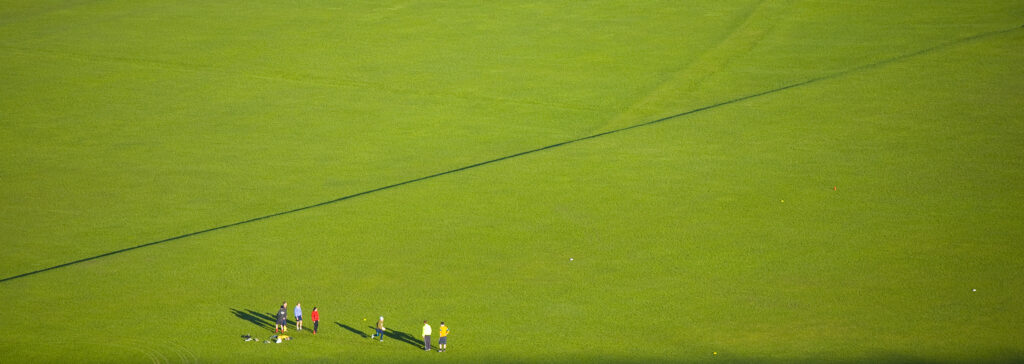
Scotland, Edinburgh, Holyrood Park. People partaking in sports activities at the Holyrood Park.
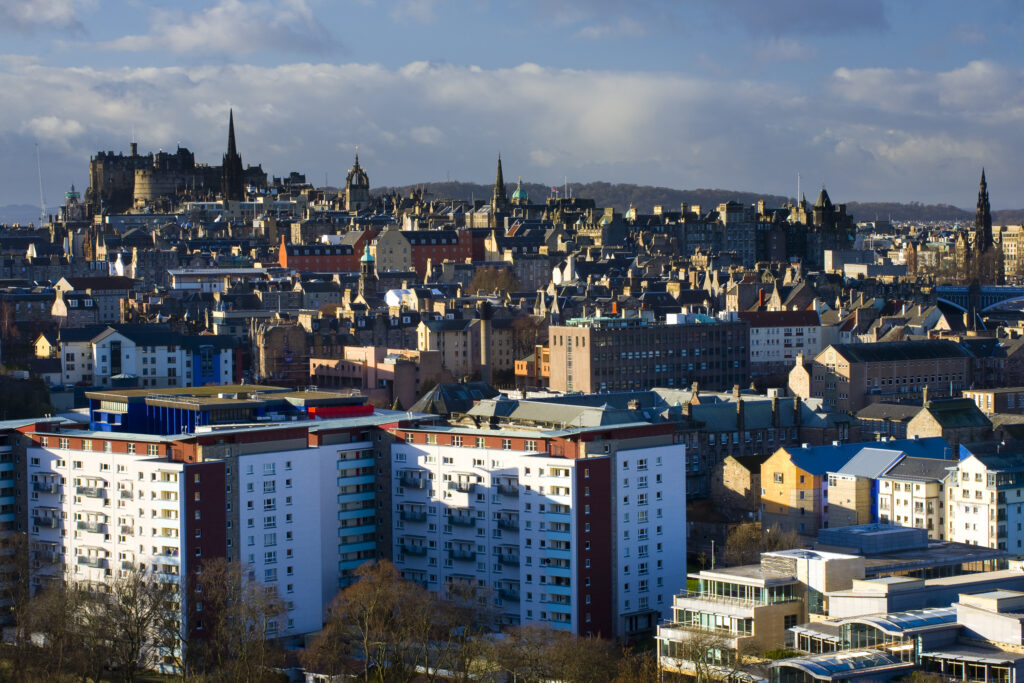
Scotland, Edinburgh, Edinburgh City. The distinctive Edinburgh skyline with the famous landmarks of the Castle and Scotts Monument.
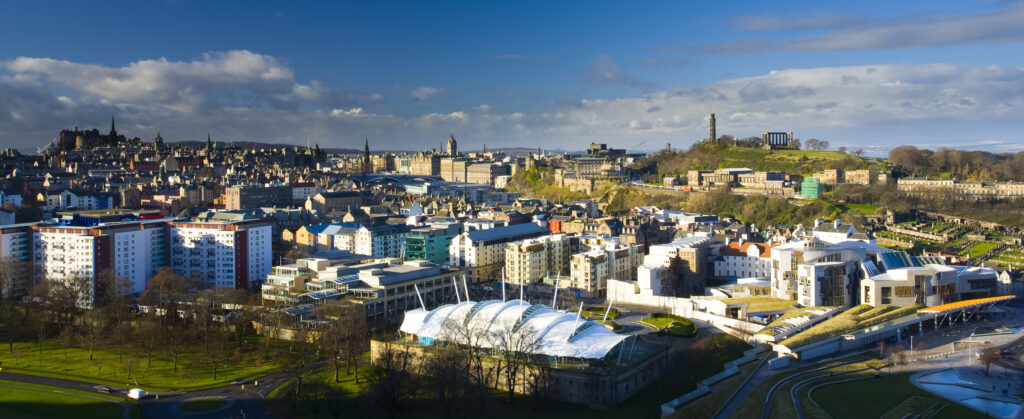
Scotland, Edinburgh, Edinburgh City. The distinctive Edinburgh skyline with the famous landmarks of the Castle, Calton Hill and Holyrood.
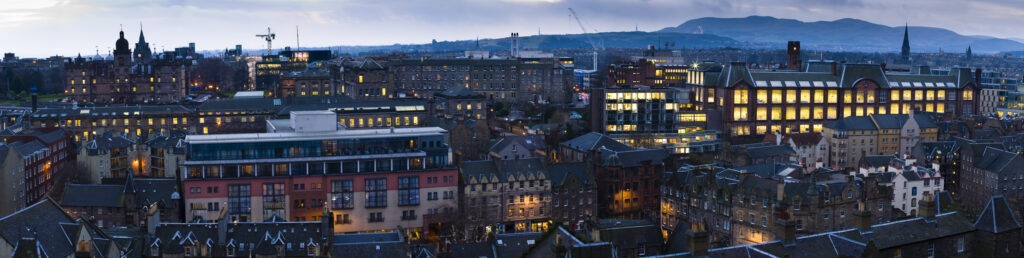
Scotland, Edinburgh, Edinburgh City. Panoramic view looking south from Castle Hill accross the city towards the Pentland Hills.
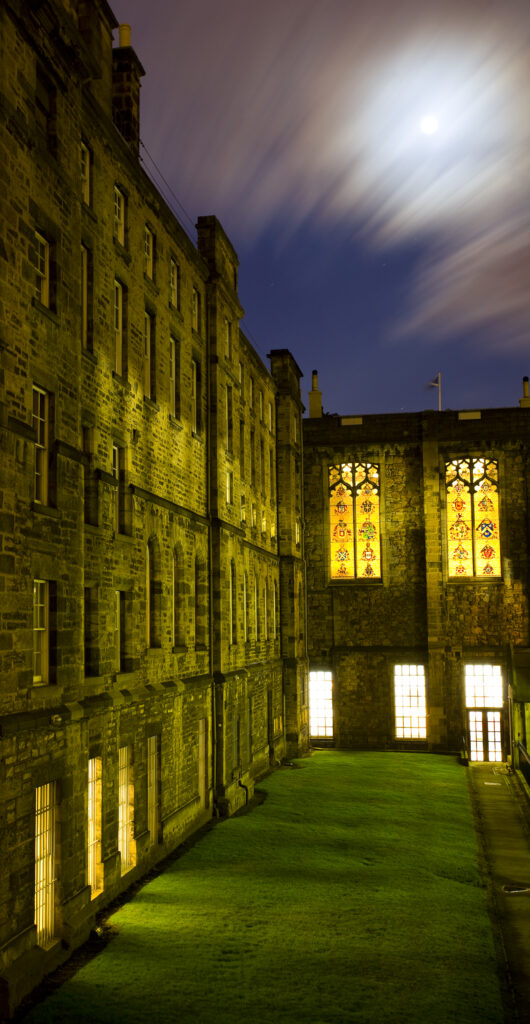
Scotland, Edinburgh, Old Town. Courtyard viewed from the George IV Bridge which was constructed to link the Old and New Town.
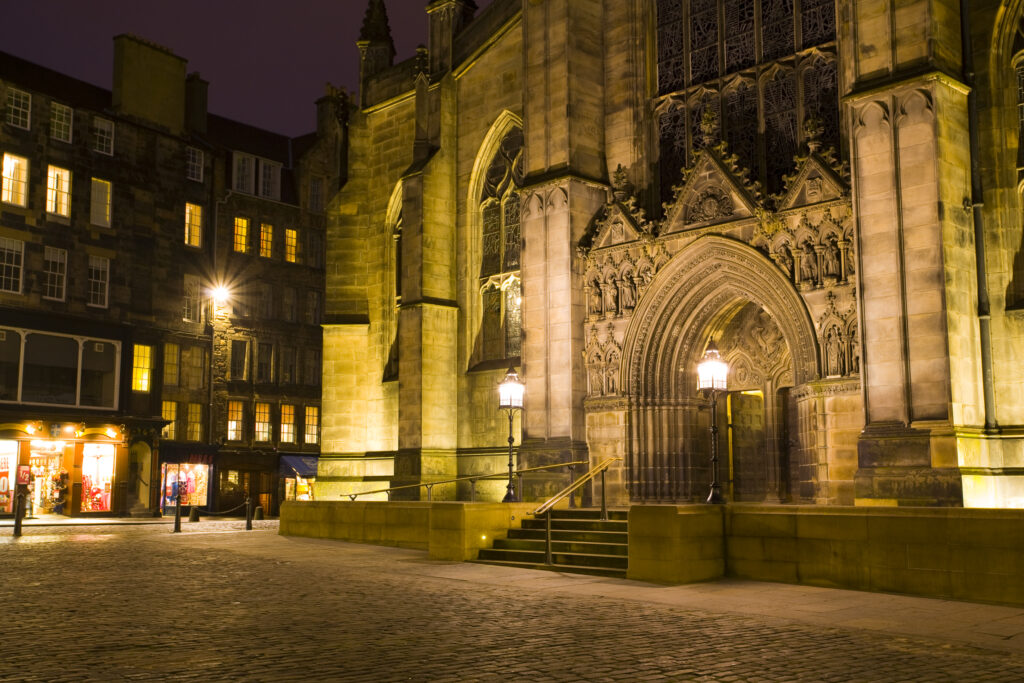
Scotland, Edinburgh, St Giles' Cathedral. St Giles' Cathedral, also known as the High Kirk of Edinburgh, an iconic feature of the Royal Mile.
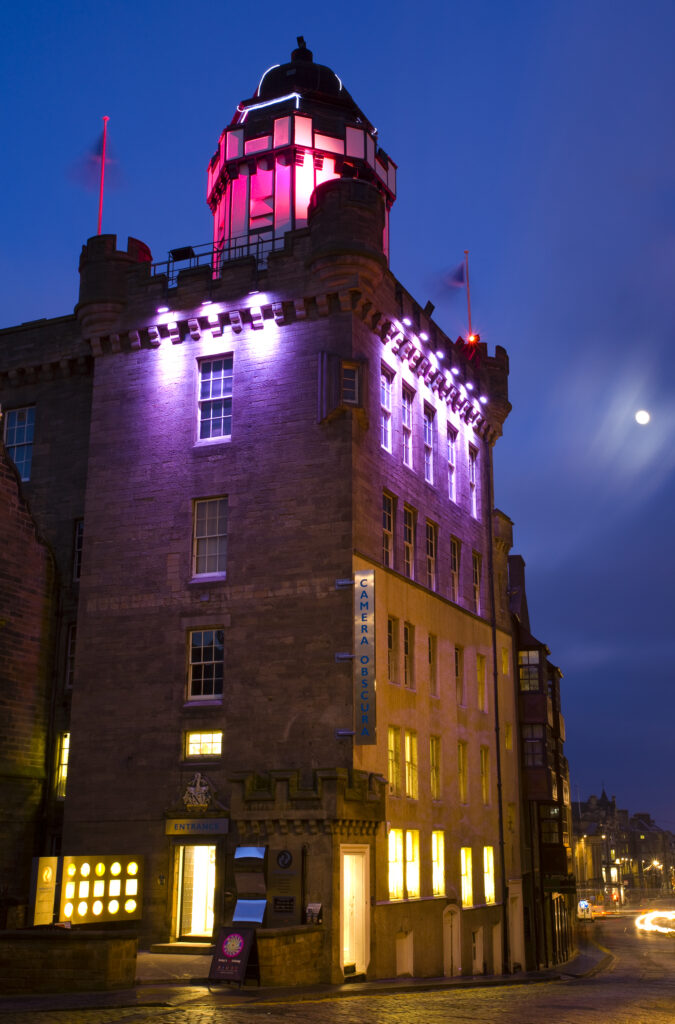
Scotland, Edinburgh, Camera Obscura. The Camera Obscura is located on a tower which had originally been the townhouse of the old Larid of Cockpen. This building was to become known as the Outlook Tower before its present title of the Camera Obscura.
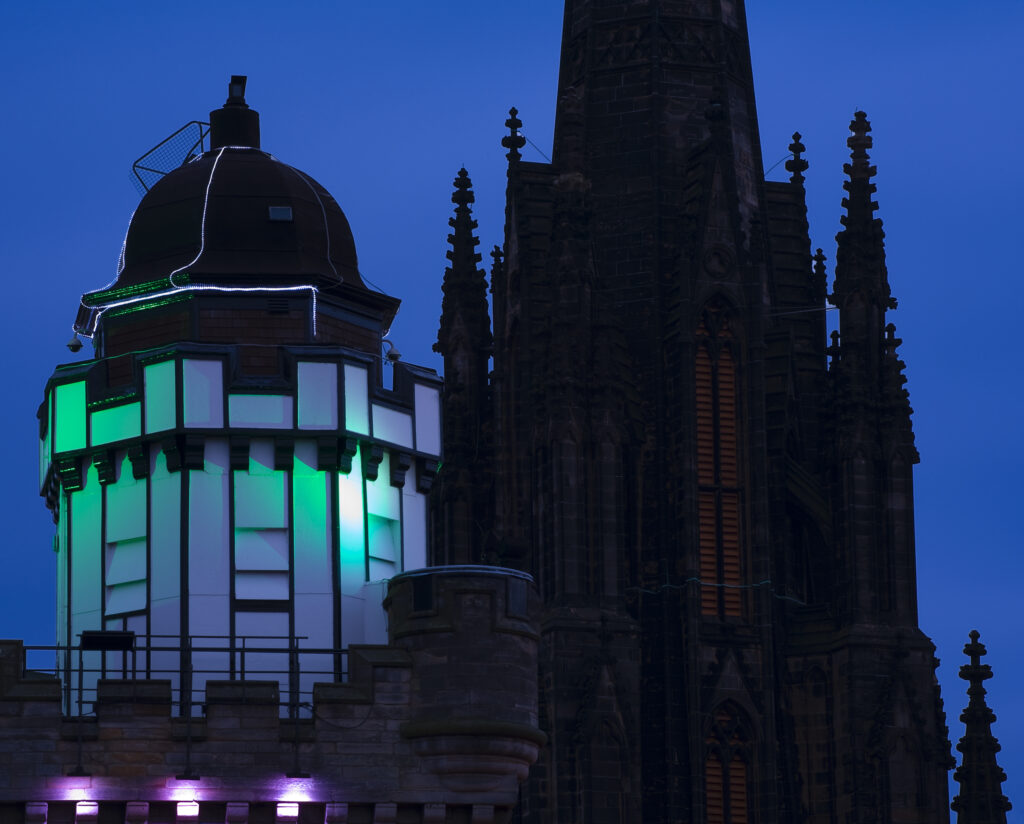
Scotland, Edinburgh, The Royal Mile. The Camera Obscura with The Hub in the background. Originally known as the Assembly Hall, this historic landmark of the Royal Mile is a grade A listed building constructed between 1842 and 1845.
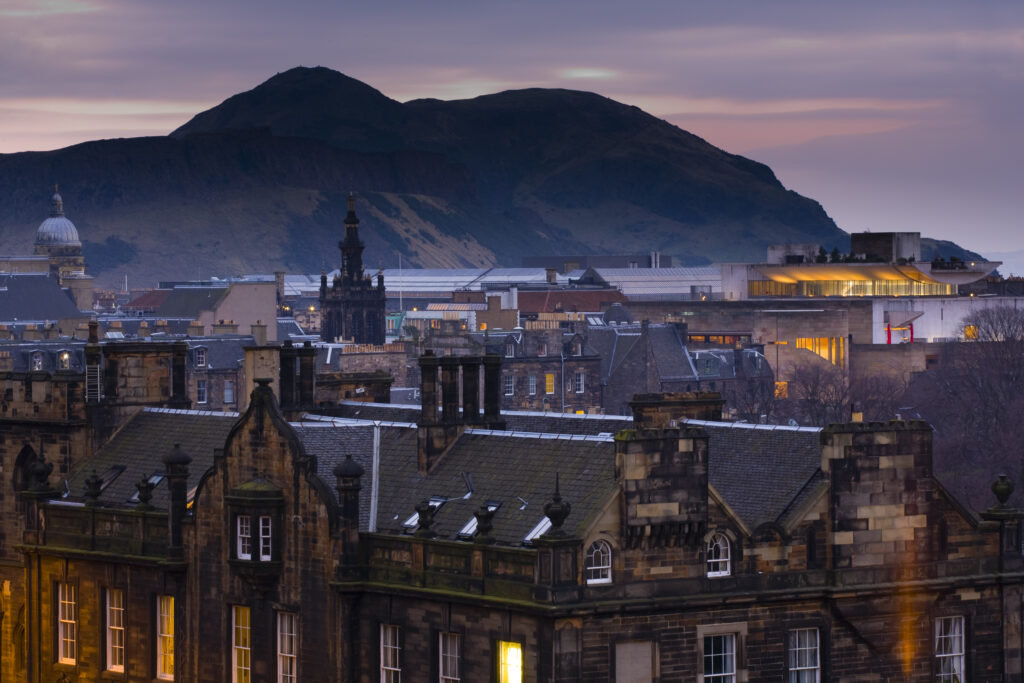
Scotland, Edinburgh, Old Town. View overlooking the Old Town towards the extinct volacano known as Arthur's Seat.
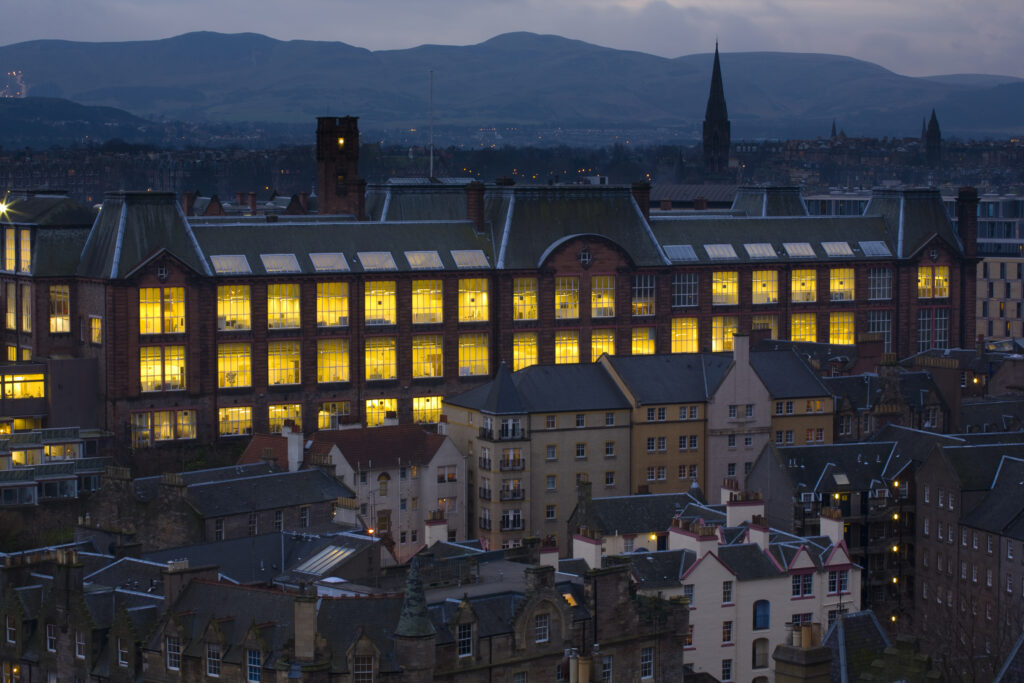
Scotland, Edinburgh, Edinburgh City. Panoramic view looking south from Castle Hill accross the city towards the Pentland Hills.
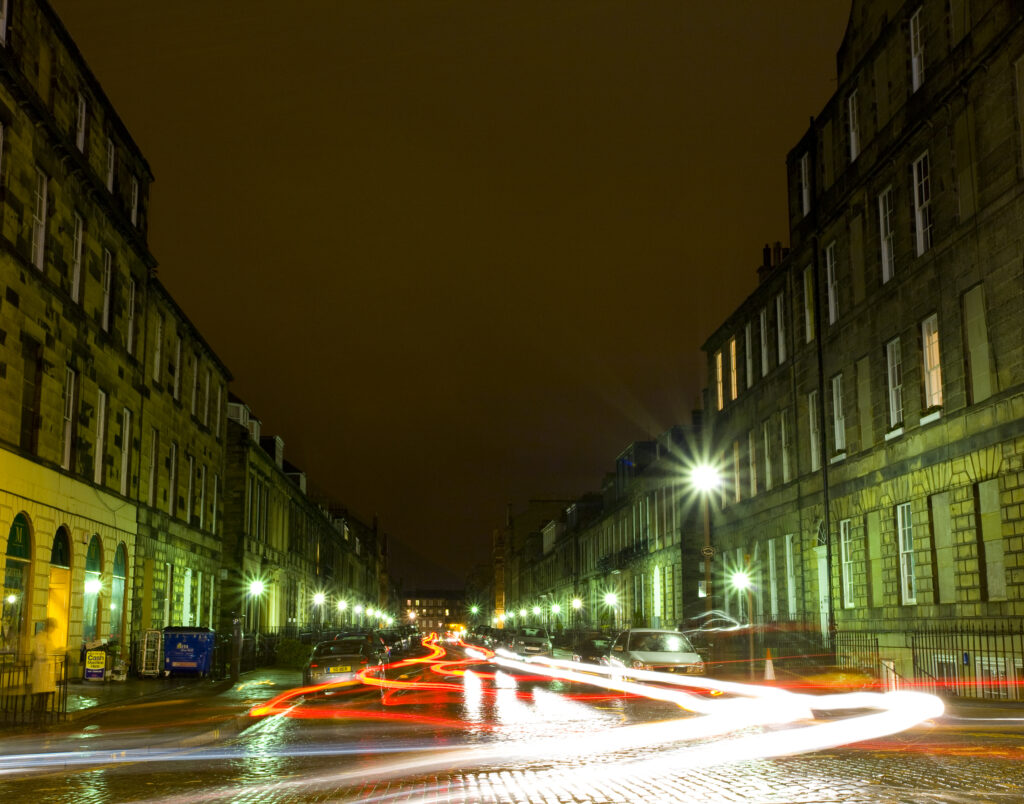
Scotland, Edinburgh, Northumberland Street. Traffic on Northumberland Street. Edinburgh was originally part of the Kingdom of Northumbria, an area that is now considered to consist of North-East England but historically also included parts of Southern Scotland.
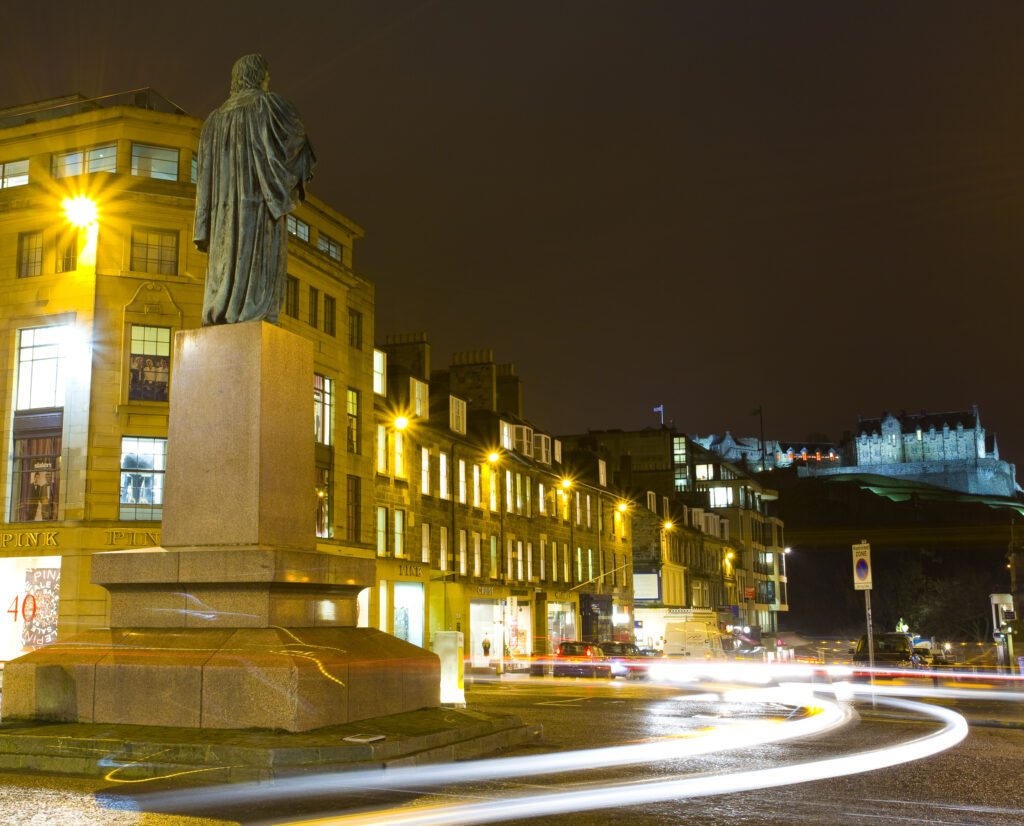
Scotland, Edinburgh, George Street. Statue of Dr Thomas Chalmers, a noted scholar and mathematician, looking down Castle Street towards Castle Hill.
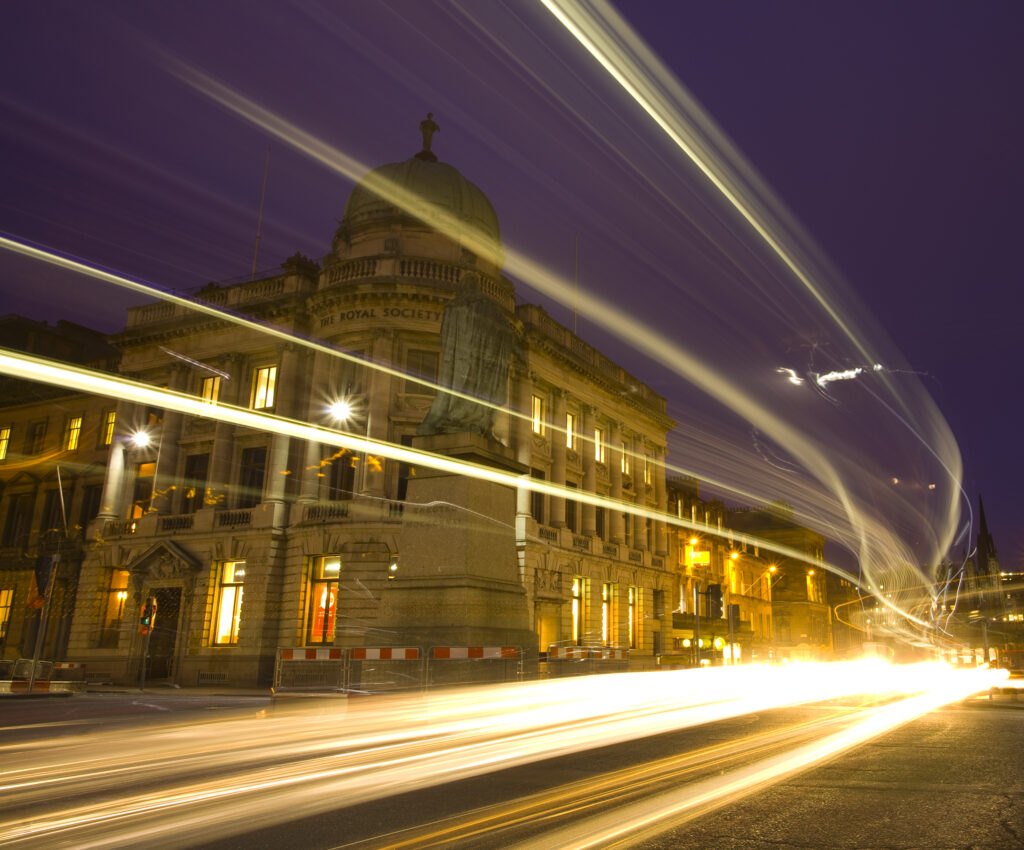
Scotland, Edinburgh, Edinburgh City. Rush-hour traffic on Hanover Street.
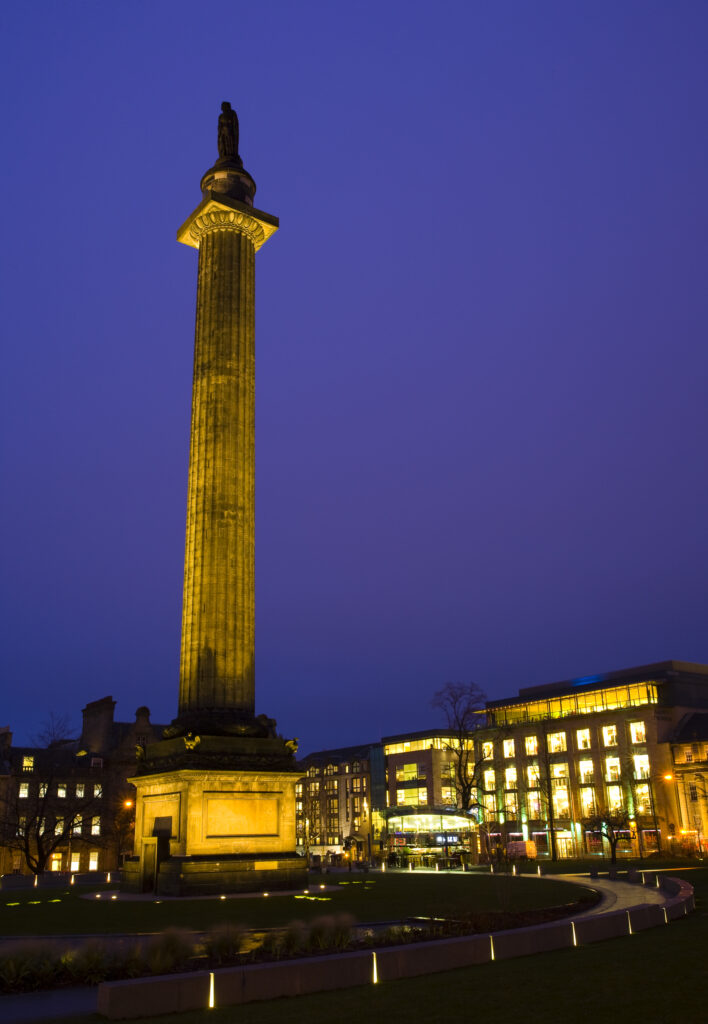
Scotland, Edinburgh, St Andrew's Square. Erected in 1823 in honour of Henry Dundas, the Melville Monument stands proud in St Andrew's Square. The statue depicts Dundas looking towards George Street.
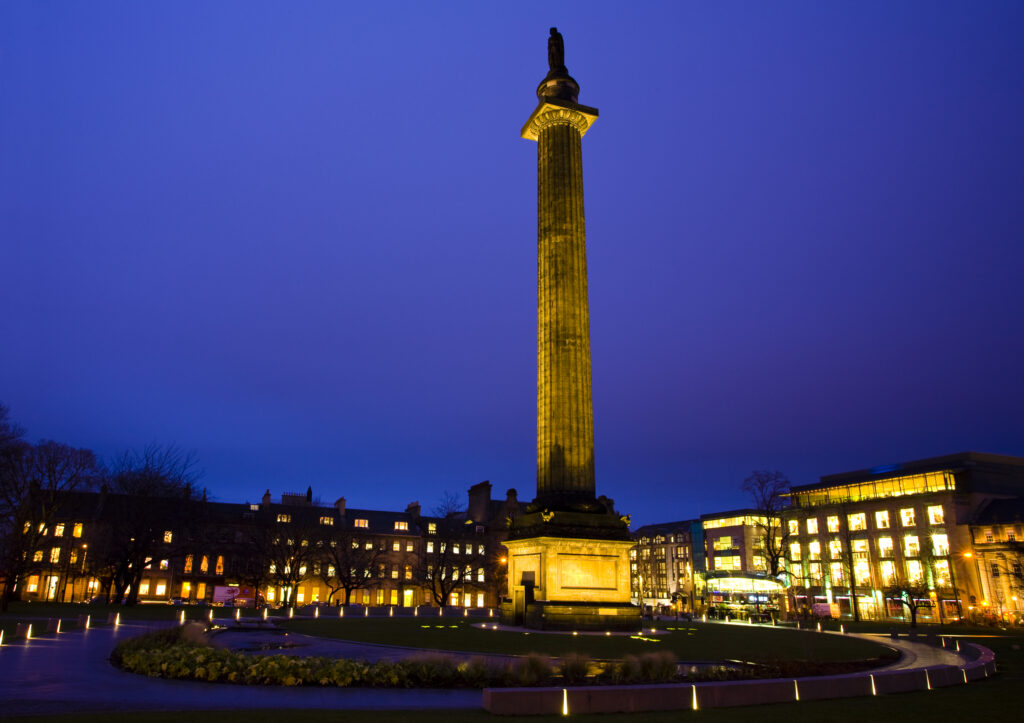
Scotland, Edinburgh, St Andrew's Square. Erected in 1823 in honour of Henry Dundas, the Melville Monument stands proud in St Andrew's Square. The statue depicts Dundas looking towards George Street.
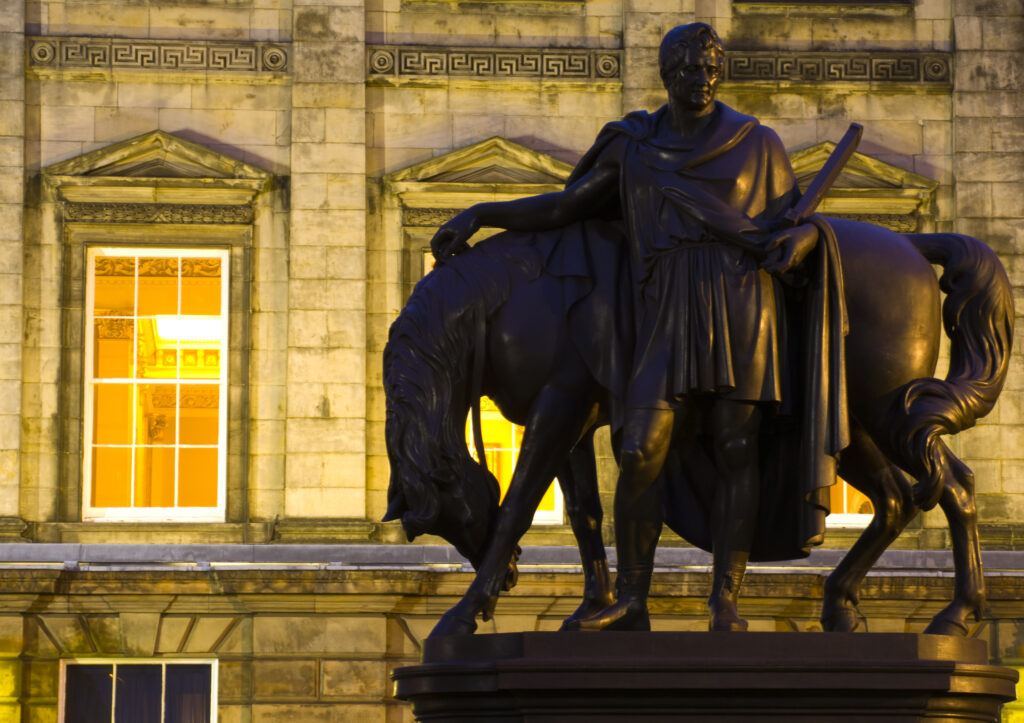
Scotland, Edinburgh, St Andrew's Square. Statue of Sir John Hope, the 4th Earl of Hopetoun, a noted soldier born at Hopetoun House in Edinburgh. The statue is located in front of Dundas House, the registered office of the Royal Bank of Scotland of whom Hope had been a governor.
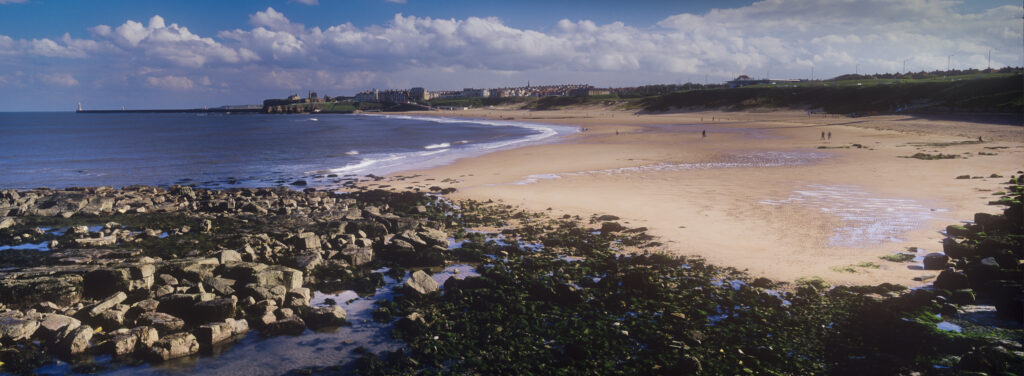
England, Tyne and Wear, Tynemouth. Looking south on a mid summers day across the Tynemouth Long Sands towards the Priory, Castle and the mouth of the Tyne. Recently there has been a great deal of conservation work undertaken to help preserve the impressive dunes and vegetation overlooking the beach.
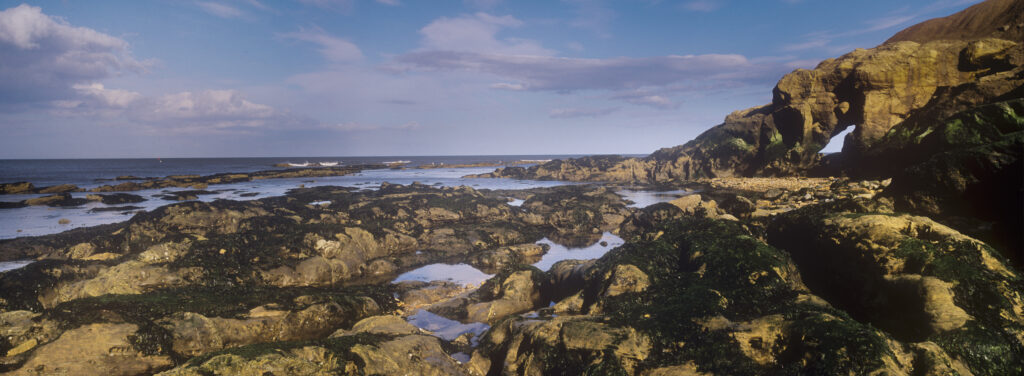
England, Tyne and Wear, Cullercoats. Rocky coastline and natural arch located on the south side of Cullercoats Bay found along the North Tyneside coast.
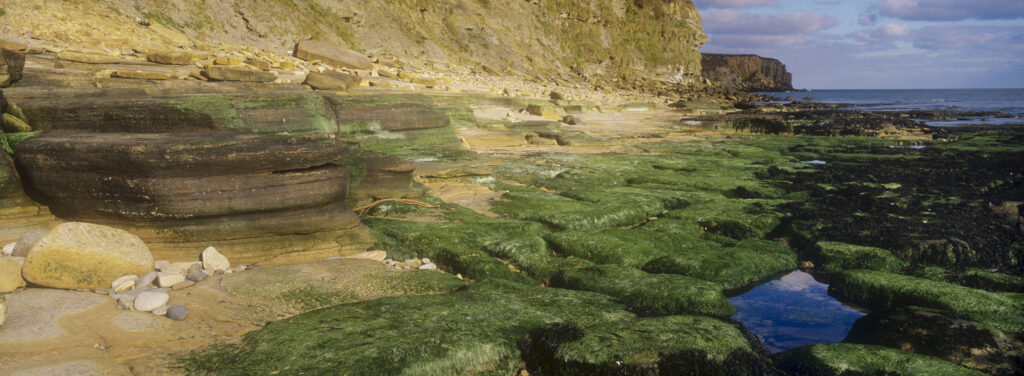
England, Tyne and Wear, Whitley Bay. The coastline north of St Mary's Island viewed at low tide, looking towards Blyth and the Northumberland Border.
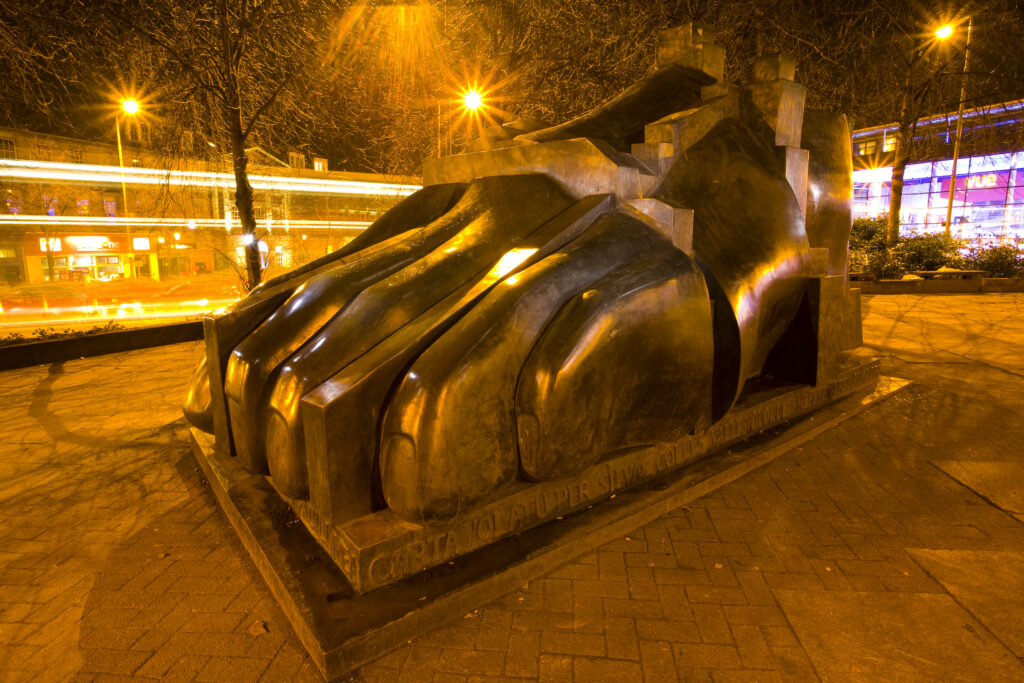
Scotland, Edinburgh, The Manuscript Of Monte Cassino. The Manuscript Of Monte Cassino, a three piece sculpture by Sir Eduardo Paolozzi located outside the St Mary's Roman Catholic Cathedral. Perhaps unsurprisingly, this sculpture is often referred to as the 'Big Foot'.
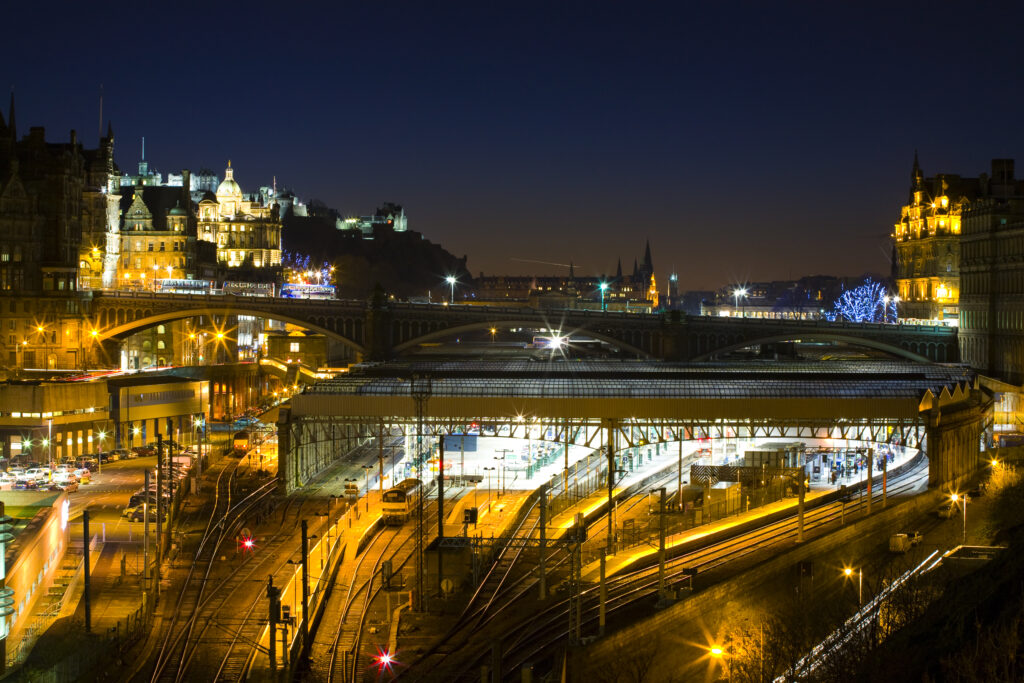
Scotland, Edinburgh, Waverley Station. Waverley station, the principal railway station in Edinburgh, situated beneath the North Bridge linking the two towns.
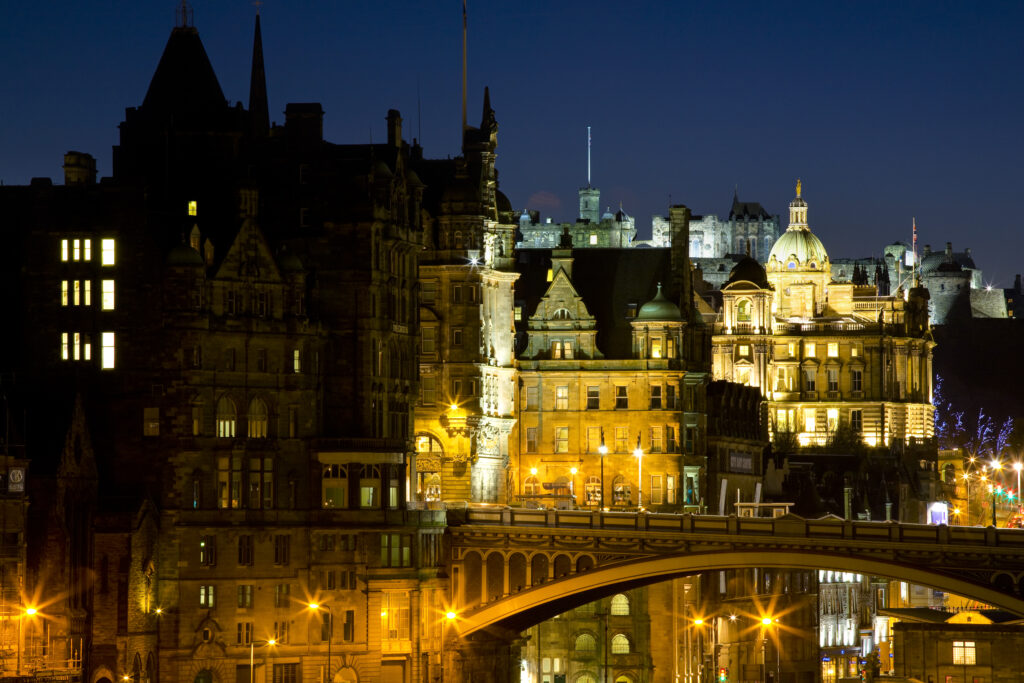
Scotland, Edinburgh, Old Town. Looking from the east of the North Bridge towards the Castle, Bank of Scotland and Scotsman building in the Old Town.
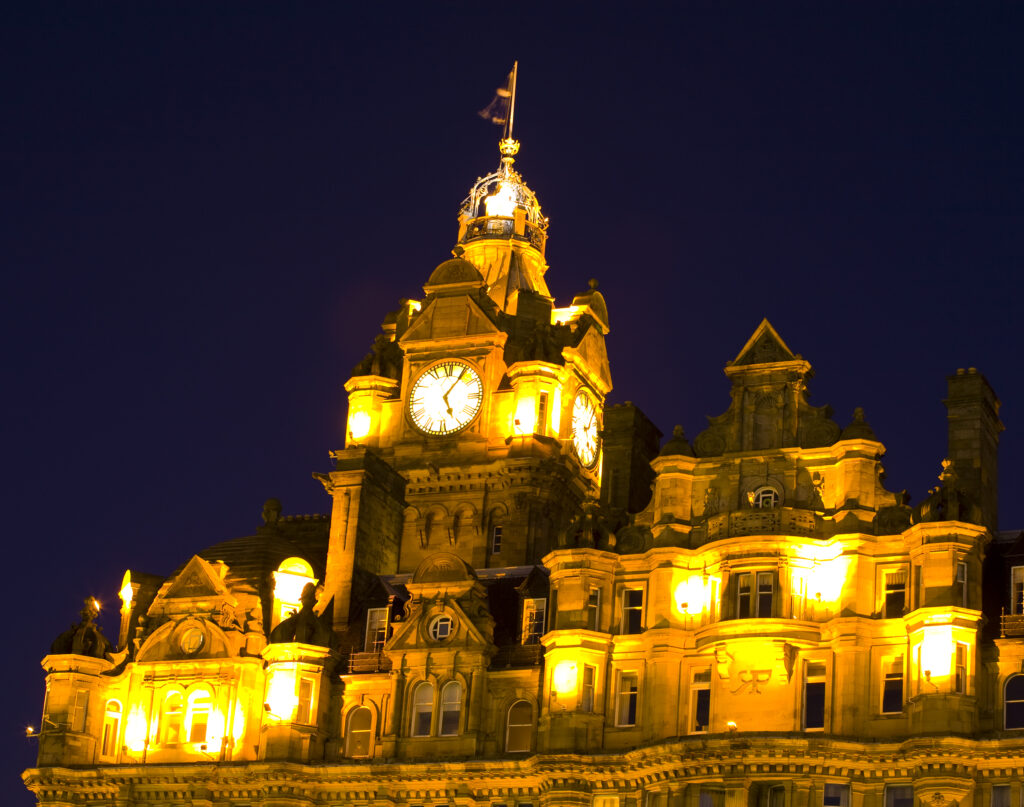
Scotland, Edinburgh, Balmoral Hotel. The Balmoral Hotel designed by architect W. Hamilton Beattie and originally opened in 1902 as the North British Hotel. The hotel was renamed as the Balmoral after refurbishment in the 1980s.
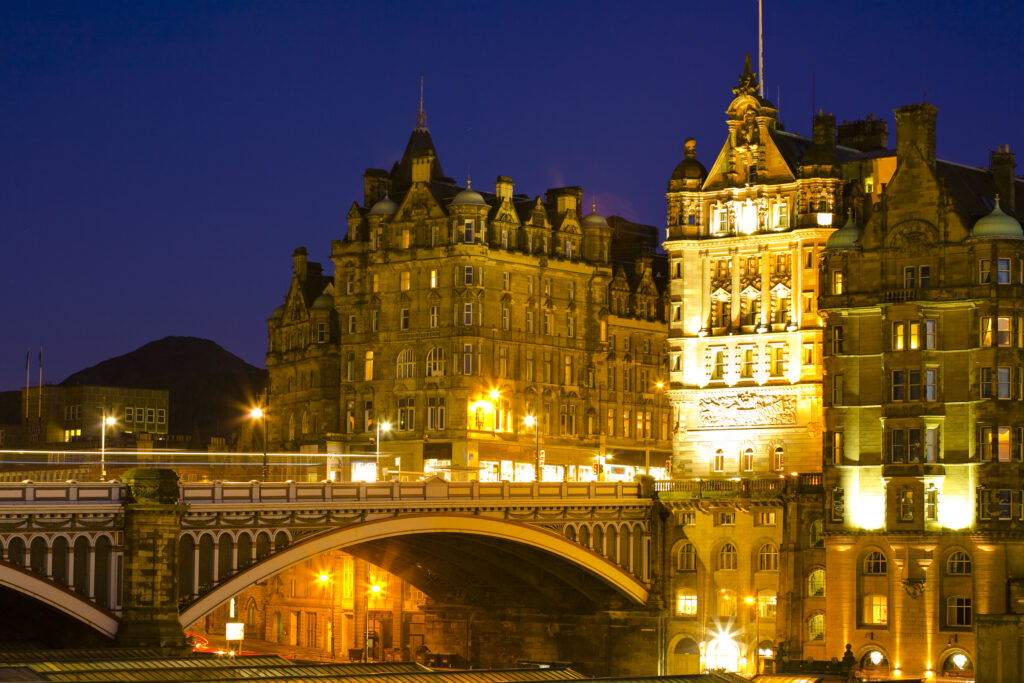
Scotland, Edinburgh, North Bridge. The current North Bridge linking the Old and New Town districts. The Scotsman Hotel to the right used to be home to the Scotsmans Newspaper and the giant printing presses used to print the paper, which when in use were said to cause the entire building to resonate.
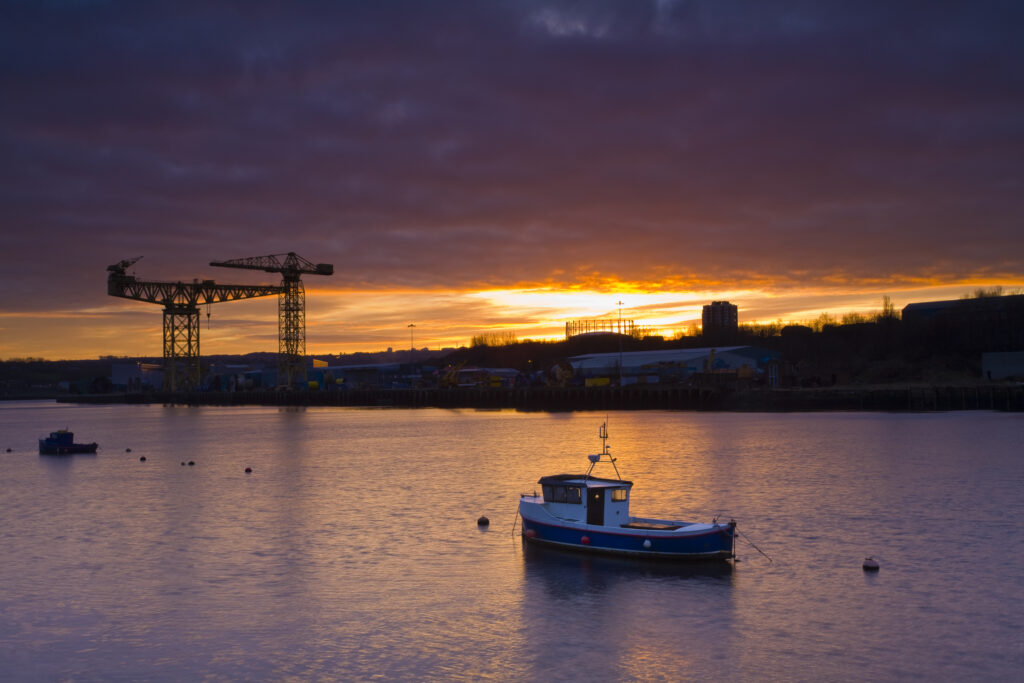
England, Tyne and Wear, Hebburn Riverside Park. Sunset viewed from the Hebburn Riverside Park in South Tyneside, looking accross the River Tyne towards the Offshore Technology Park in Walker.
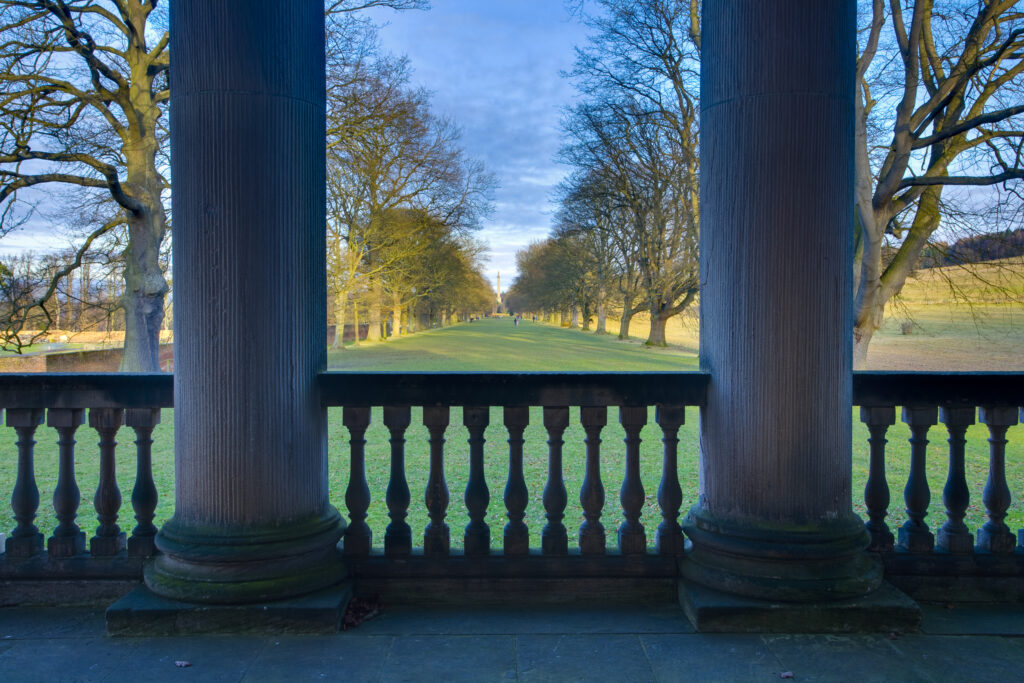
England, Tyne and Wear, Gibside. Looking through the stone pillars of the Gibside Chapel towards the half mile, Oak tree lined walk heading to the Column of Liberty.
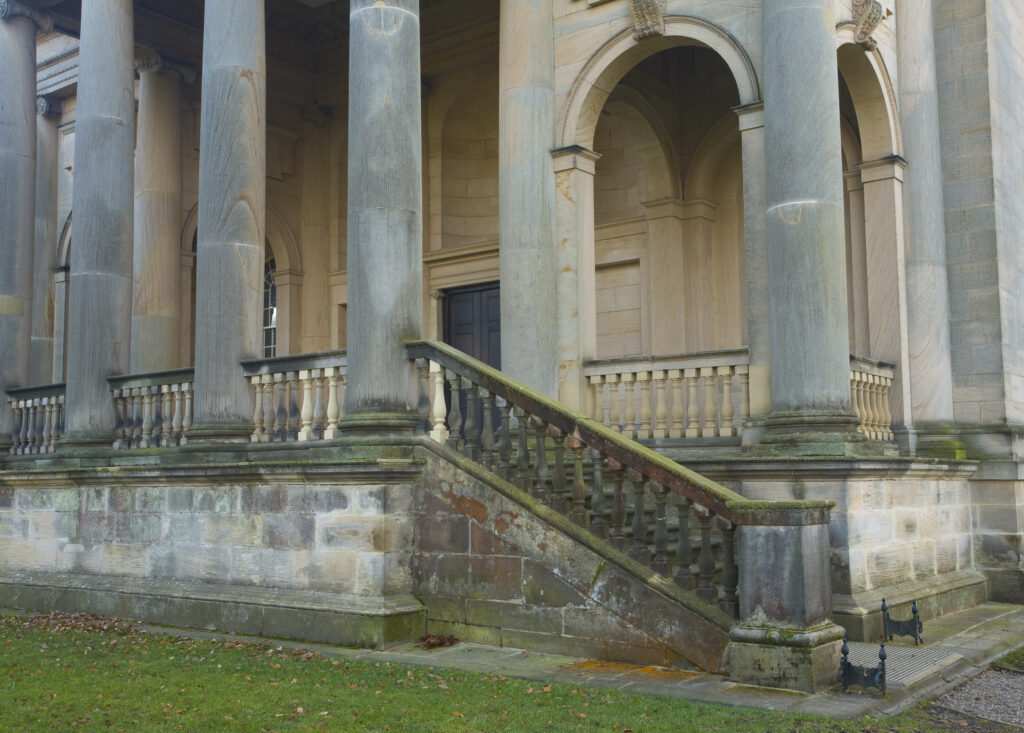
England, Tyne and Wear, Gibside. The chapel at Gibside was built as a in the 1760's as a mausoleum for coal magnate George Bowes. The chapel, now owned by the National Trust, is still used for religious worship and wedding ceremonies.
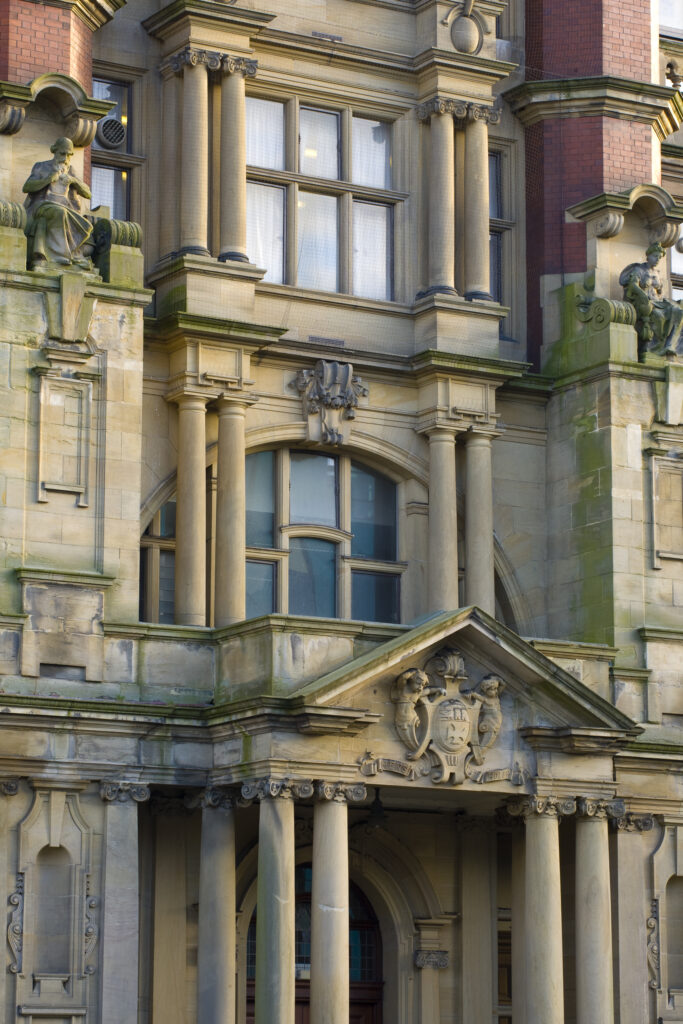
England, Tyne and Wear, Newcastle Upon Tyne. Architectural details of the Armstrong Building, part of the Newcastle University Campus. Competed in 1906, the two stone statues were included to represent science and the arts.
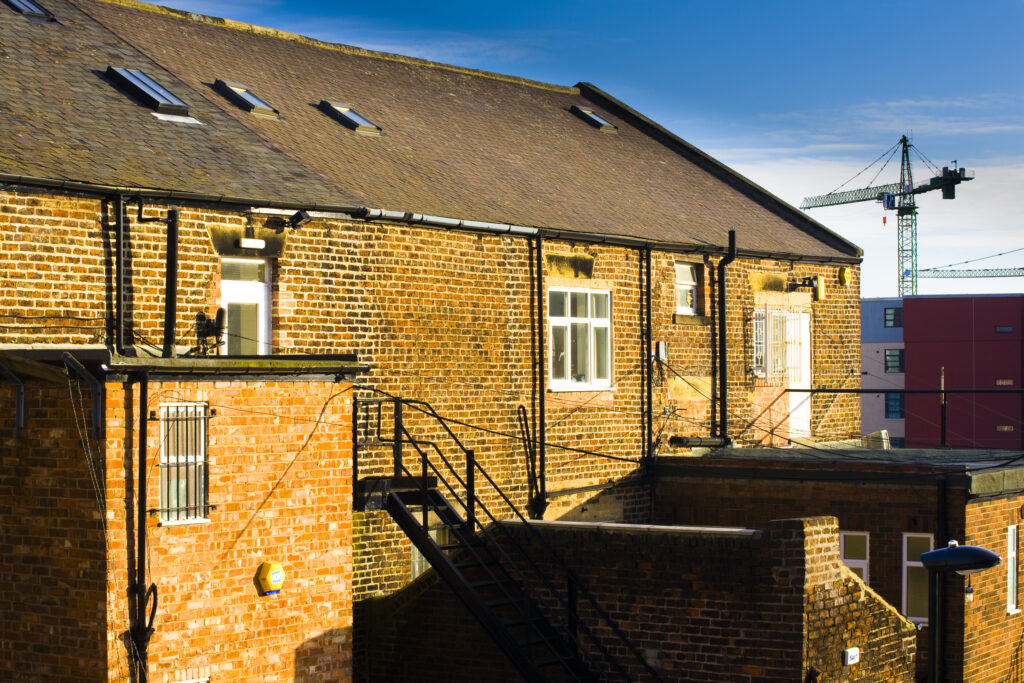
England, Tyne and Wear, Newcastle Upon Tyne. Rear of house buildings near to St James's Park, home to Newcastle United FC.
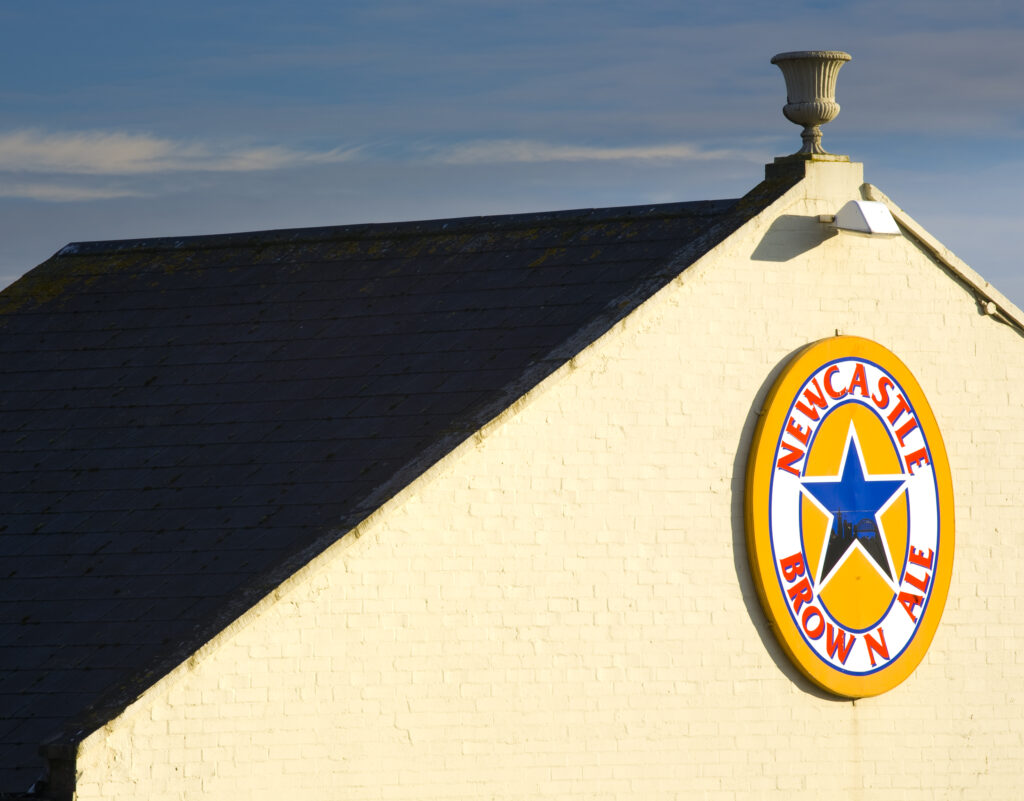
England, Tyne and Wear, Newcastle Upon Tyne. Newcastle Brown Ale has been brewed in Tyneside since 1927, with the recipe remaining unaltered since the start of the 30's. Tradititonal brewed north of the river in the city of Newcastle, production switched to Gateshead in 2005.
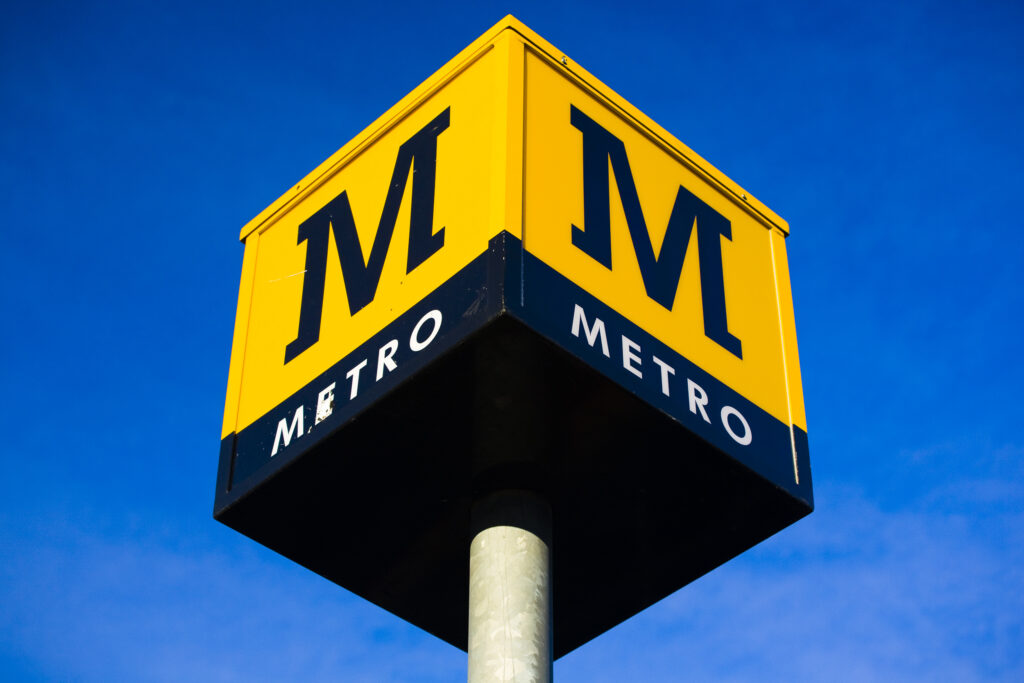
England, Tyne and Wear, Newcastle Upon Tyne. Metro station sign near St James's Park, home to Newcastle United FC.
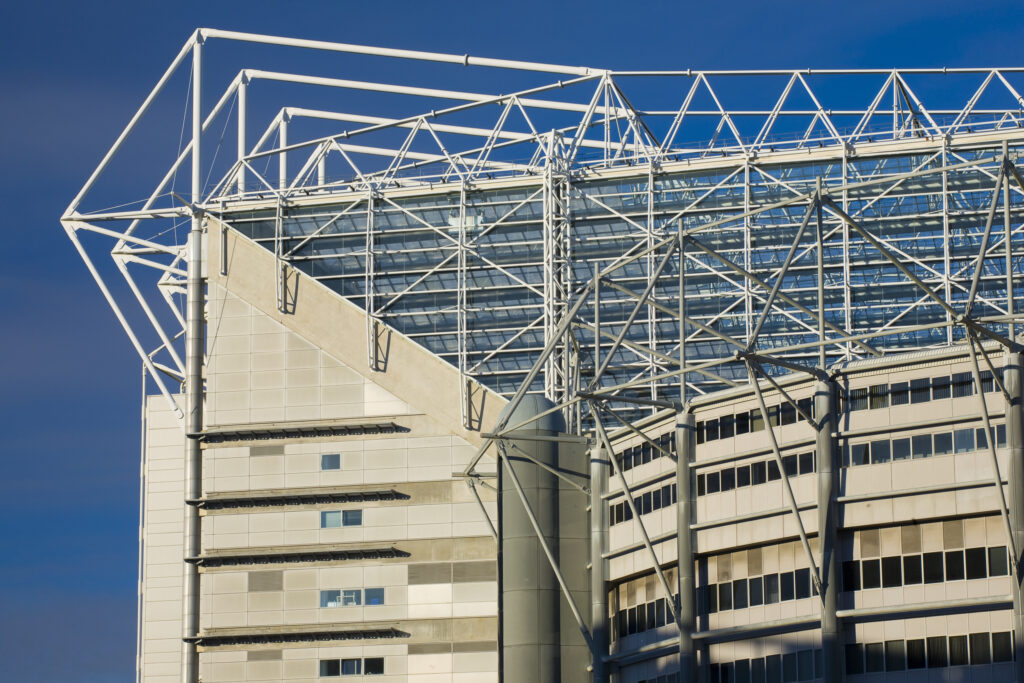
England, Tyne and Wear, Newcastle Upon Tyne. St James's Park, home to Newcastle United FC. The cantilever roof pictured here is among one of the largest to be found in Europe.

England, Tyne and Wear, Newcastle Upon Tyne. Present day building structures reflected in the windows of an office block in Newcastle Upon Tyne.
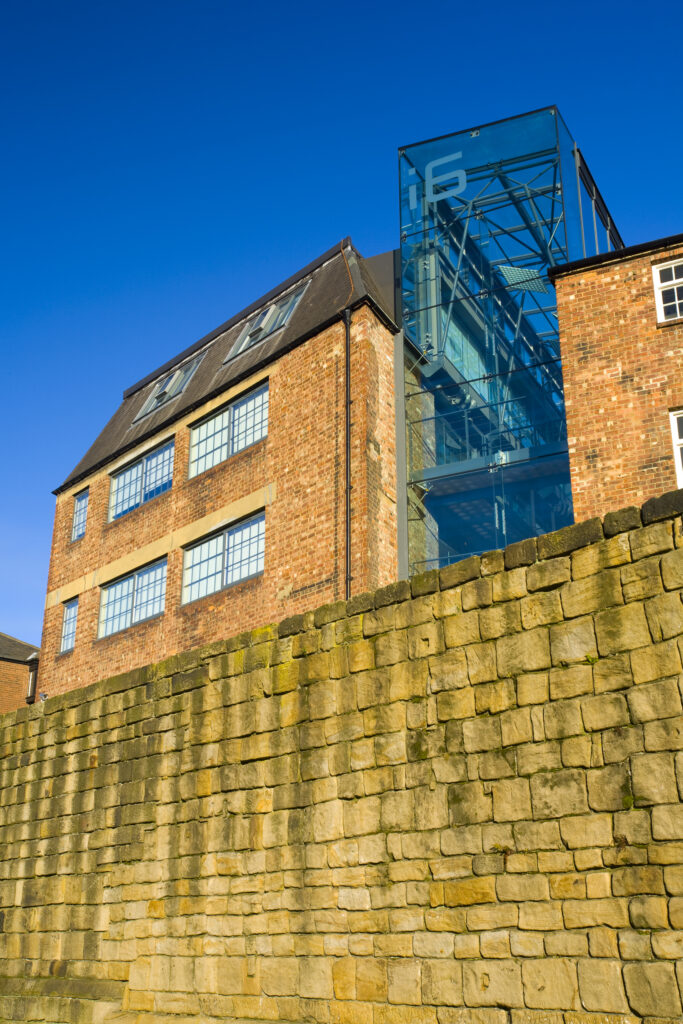
England, Tyne and Wear, Newcastle Upon Tyne. The city wall of Newcastle Upon Tyne. The city continues to develope into an ecletric mix of historic and modern architecture.
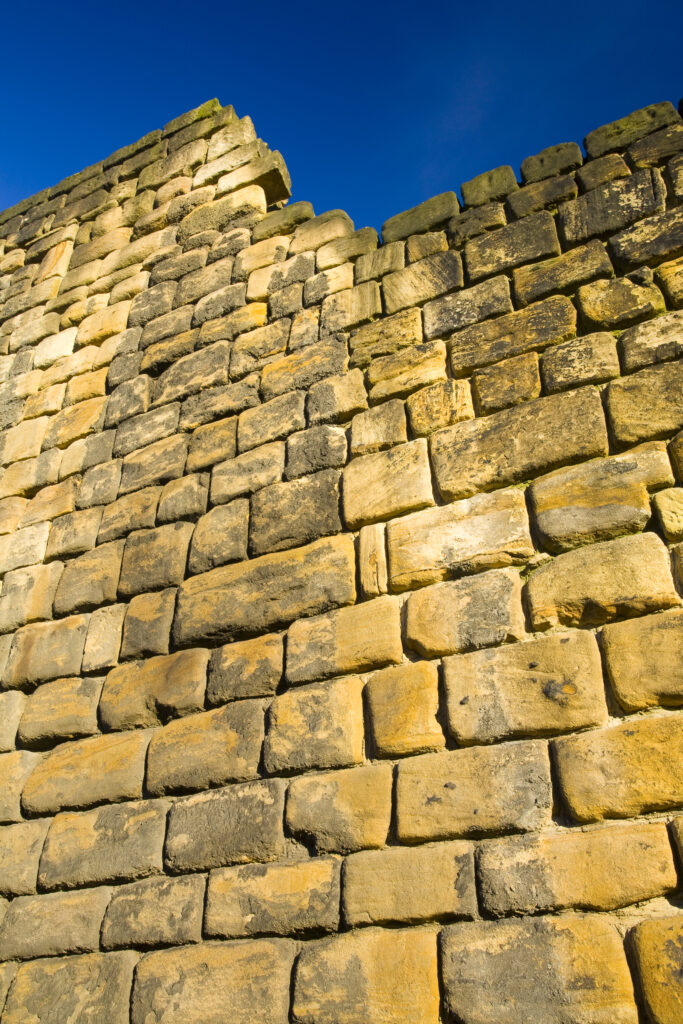
England, Tyne and Wear, Newcastle Upon Tyne. The city wall of Newcastle Upon Tyne, deviding an ecletric mix of historic and modern architecture.
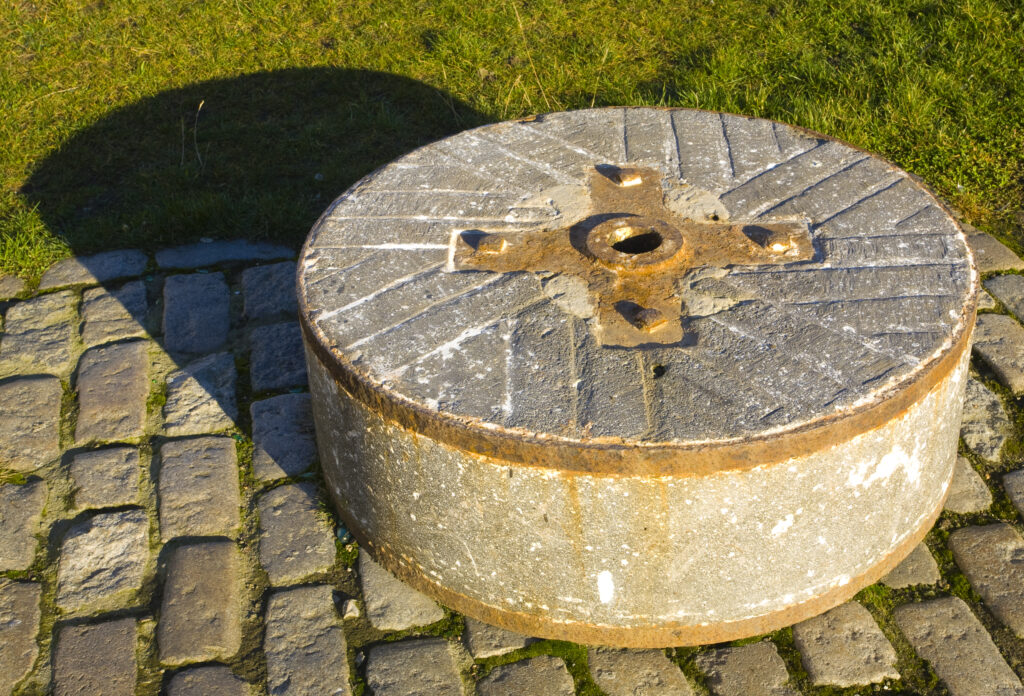
England, Tyne and Wear, Newcastle Upon Tyne. Granite mill-stone from the Gallowgate Lead Works which were located within Newcastle City for over 150 years, finally closing in 1933.
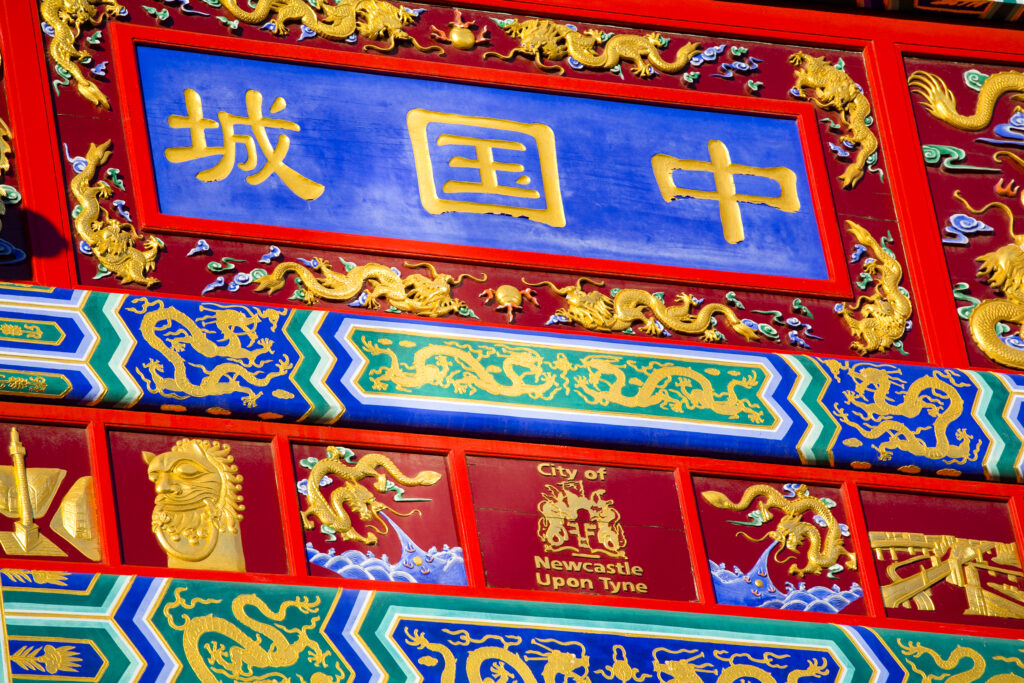
England, Tyne and Wear, Newcastle Upon Tyne. Detail of Chinese artwork and design on the Chinese Arch heralding the entry into the China Town area of Newcastle.
Favourites
Photofeed
