
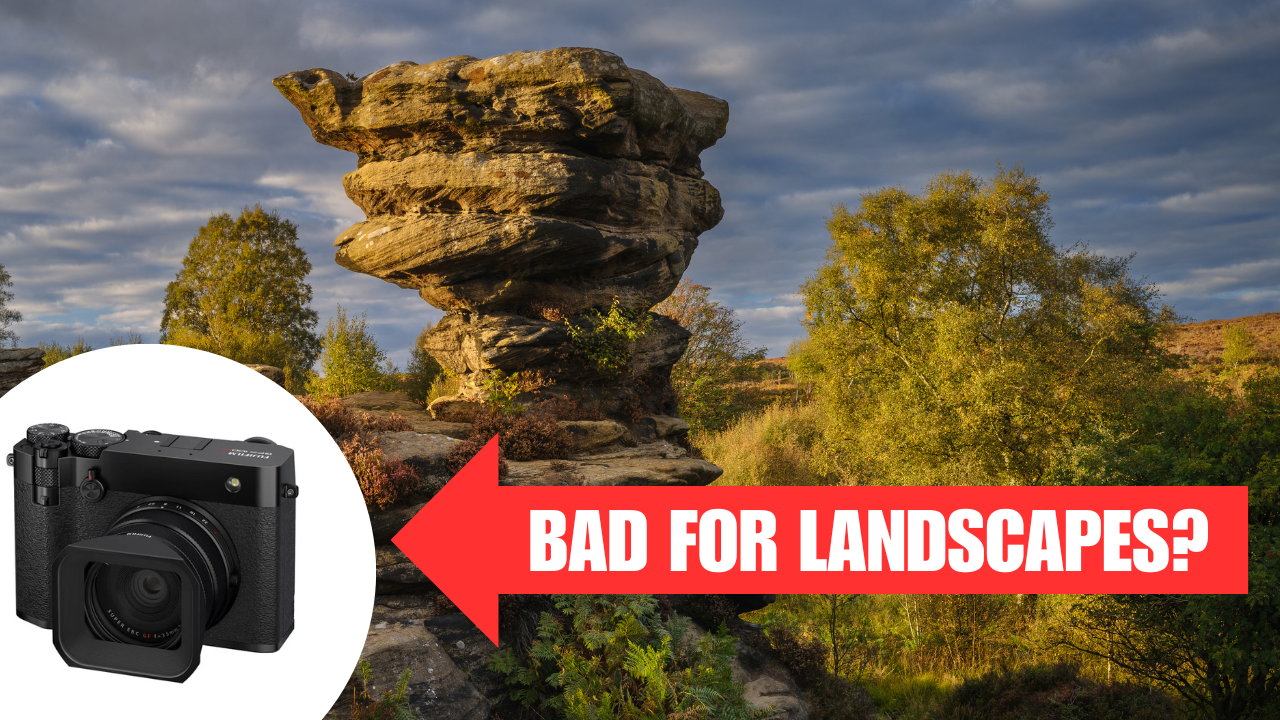
I recently uploaded a first impressions video of the Fujifilm GFX100RF, and one viewer left a comment that genuinely made me pause:
“I don’t get the market for this camera other than maybe street photography. Why not buy the GFX100S II, which has IBIS and interchangeable lenses? Definitely not a great landscape camera.”
Fair question. But instead of replying in the comments, I decided to take the camera out and prove (or disprove) my own point across a few different locations and shooting scenarios.
And here’s the thing: the GFX100RF starts to make way more sense when you stop thinking of it like a normal interchangeable-lens digital camera… and start seeing it as a modern, digital nod to medium format film shooting — with some very clever landscape-friendly tricks.
The “Why Not Just Buy a GFX100S II?” Question
If we’re talking specs and flexibility, the argument for the GFX100S II is obvious: IBIS and interchangeable lenses.
But landscape photography isn’t just about having the most options — it’s about what you’ll actually carry, actually use, and actually enjoy using.
For me, the simple answer is:
weight and size matter.
If your kit becomes so heavy you stop exploring, you stop enjoying it, or you “can’t be bothered” taking it out… then it’s not really helping your landscape photography, is it?
Reason #1: The Aspect Ratio Dial Changes How You See
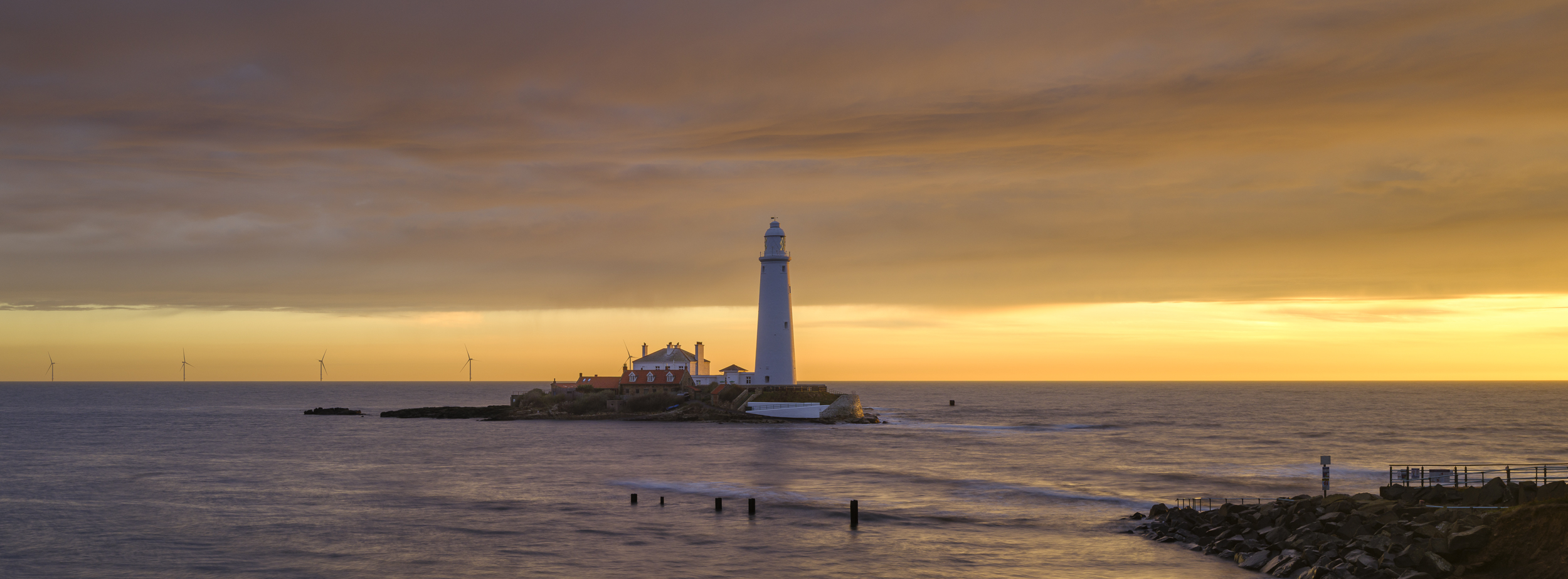
The GFX100RF has a dedicated aspect ratio dial with options that lean heavily into Fujifilm’s heritage — including 65:24 (XPan-style).
This sounds like a gimmick until you’re actually stood at the coast, seeing a thin break in the horizon and realising an XPan crop might be the whole point of the shot.
It encourages you to compose differently — not just “shoot and crop later,” but properly commit to a frame shape and build the image around it.
Reason #2: “Fixed 28mm Equivalent” Isn’t the Whole Story
Yes — it’s a fixed lens camera, and the lens is a 28mm full-frame equivalent field of view.
But the GFX100RF’s real party trick for landscape shooters is the digital teleconverter / crop modes.
With a switch, you can crop into that 102MP sensor and effectively work with tighter framings (while still keeping plenty of resolution for real-world use). Reviewers note crop modes that give full-frame equivalent fields of view around 36mm, 50mm, and 63mm (and still useful megapixel counts).
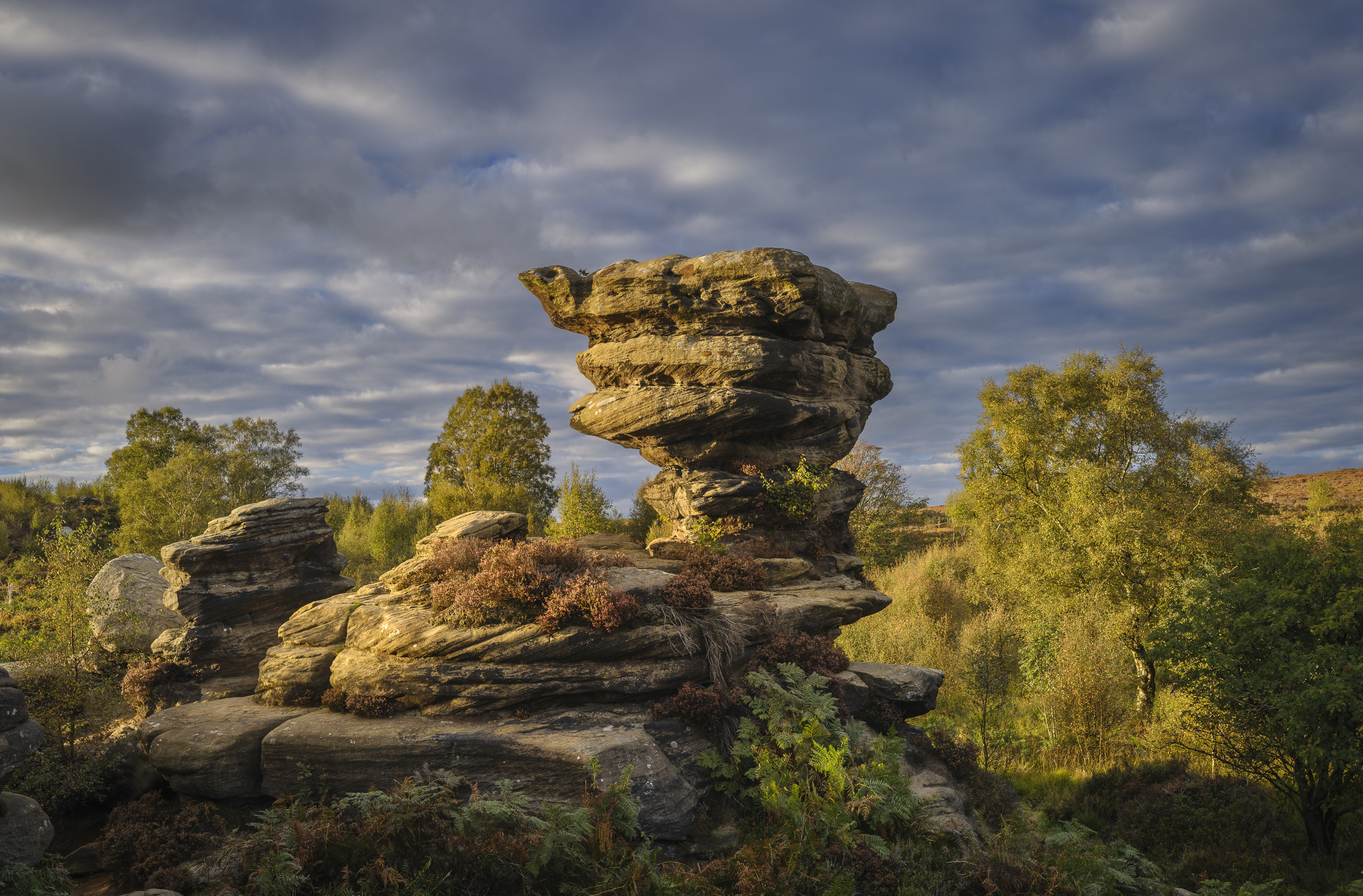
And this matters because in places like Brimham Rocks, the biggest challenge often isn’t “sharpness” or “dynamic range” — it’s just finding a clean composition in a busy environment.
Cropping modes become a practical way to simplify without hauling multiple lenses.
Reason #3: Base ISO 80 + Big Dynamic Range = Less Stress
The GFX100RF’s sensor has a base ISO of 80, and Fujifilm positions it as offering strong dynamic range (which matches how a lot of GFX shooters use these files in practice: protect highlights, lift shadows later).
In the field, that translates to a simpler approach:
- expose to protect the sky
- trust the file
- spend more time making photos and less time obsessing
That’s not “anti-technical” — it’s just a workflow that keeps you out of your own head.
Reason #4: No IBIS… But the Leaf Shutter Helps Handheld Work
One of the common criticisms is “no IBIS.”
True — it doesn’t have it.
But it does have a leaf shutter, which tends to create less vibration than a focal plane shutter, making it a bit more forgiving handheld at slower shutter speeds (not a replacement for IBIS, but still a genuine benefit).
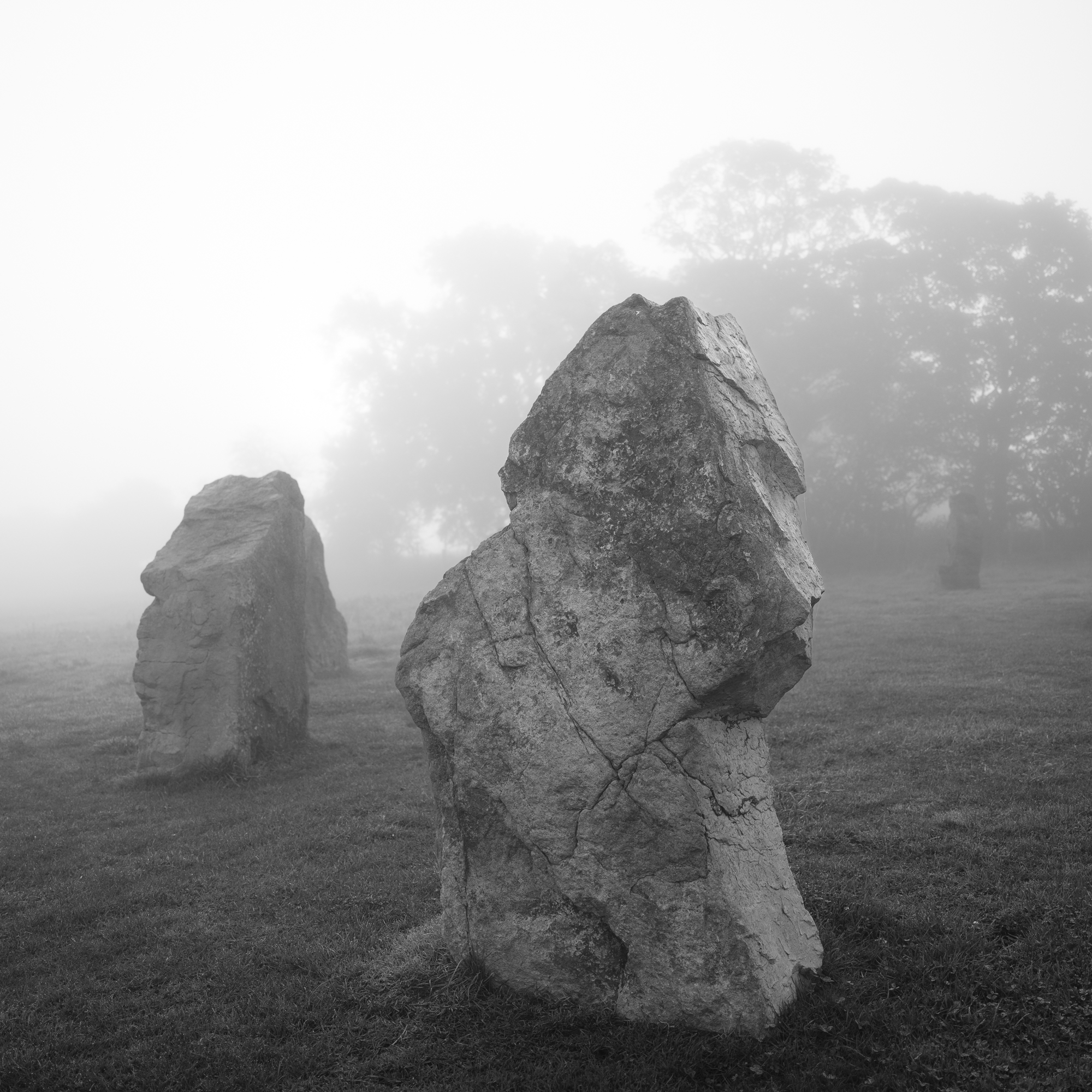
And that matters when you’re reacting quickly — like when fog is lifting and you need to move fast.
Reason #5: Built-In 4-Stop ND Filter = Long Exposure Workhorse
For me, this is the sleeper feature.
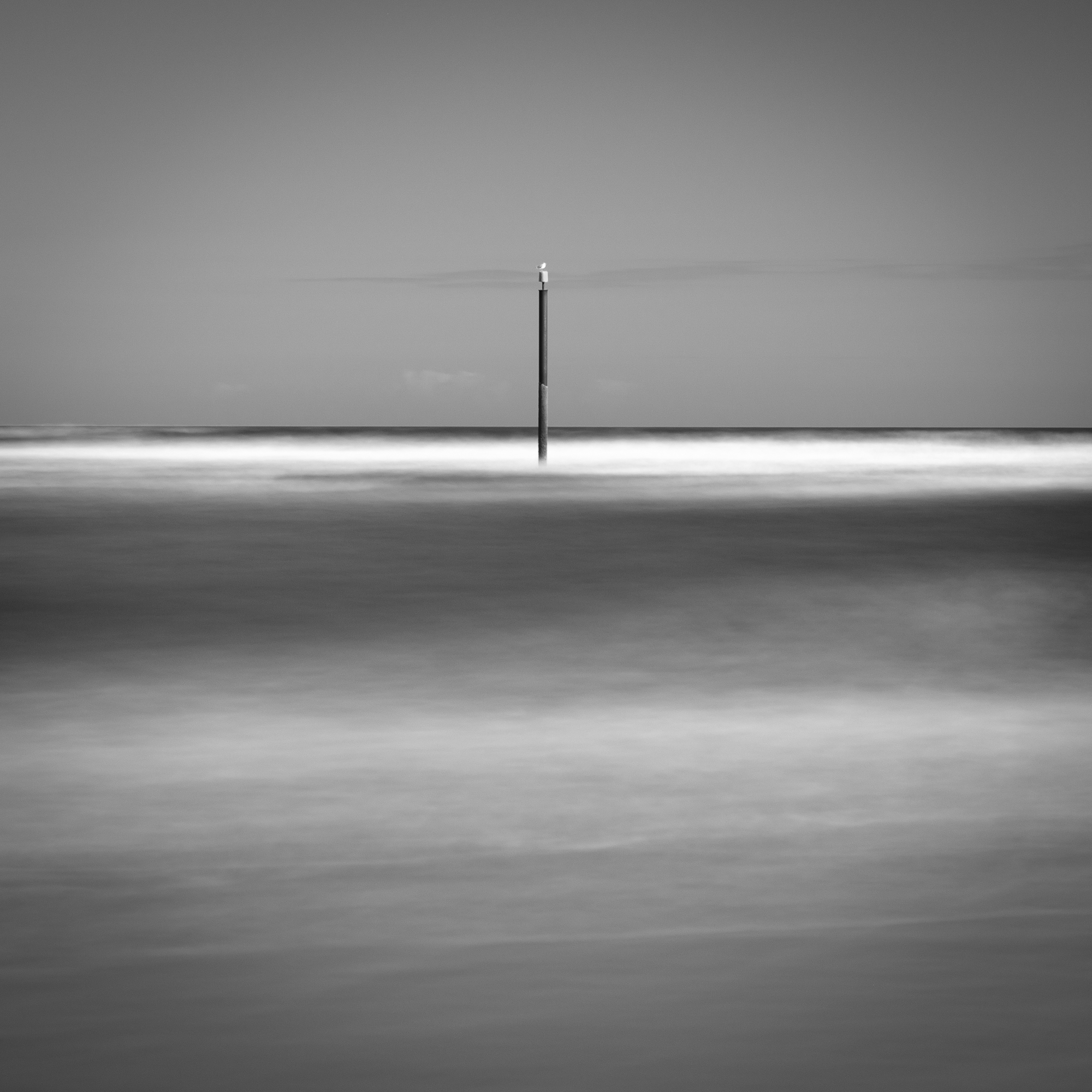
The GFX100RF includes a built-in 4-stop ND filter, engaged with a switch.
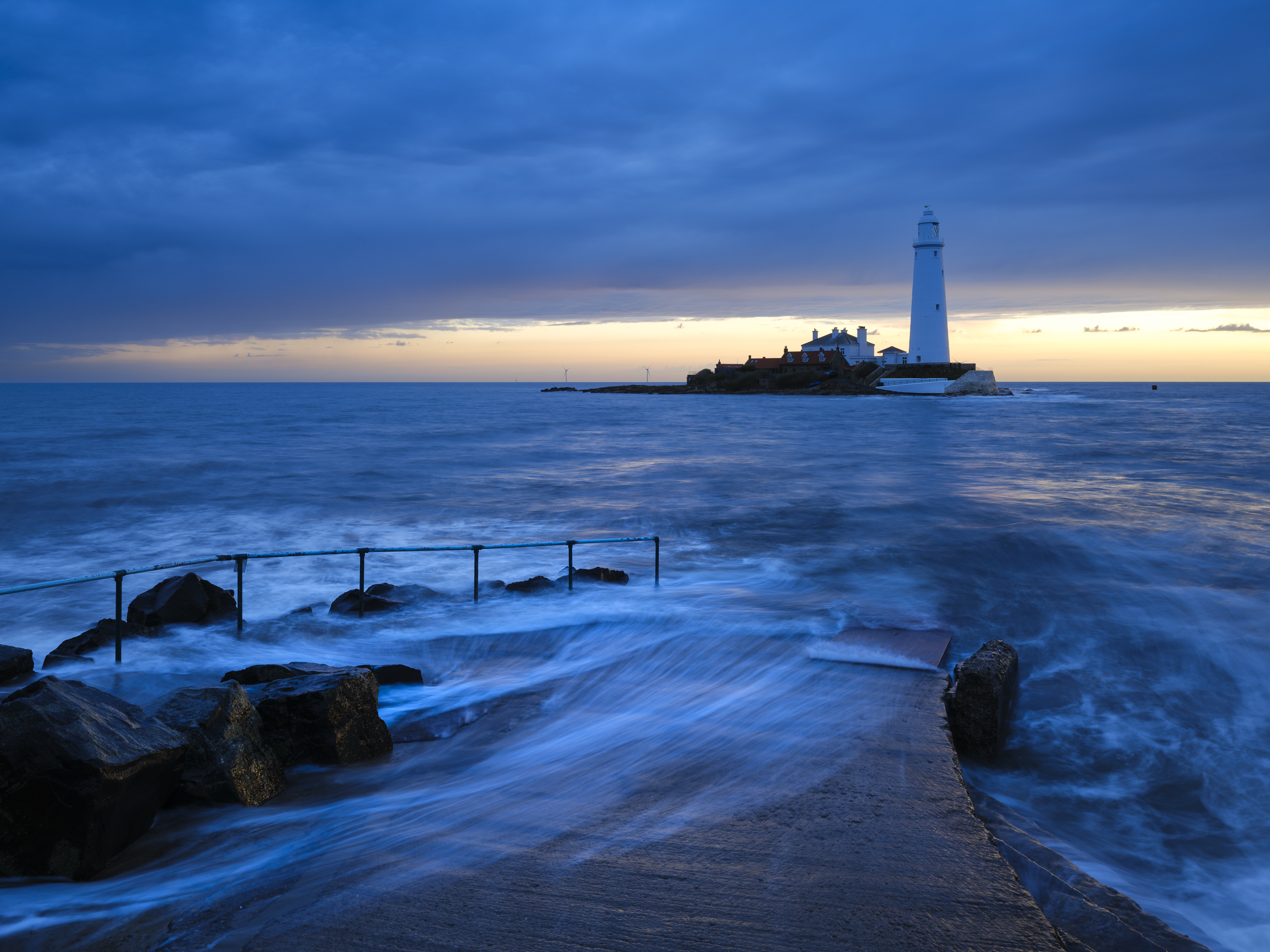
Pair that with base ISO 80 and an additional external ND, and you’ve got a setup that makes long exposures ridiculously straightforward — even in daylight.
Fujifilm isn’t pretending it’s only a street camera. The feature set absolutely supports minimalist coastal long exposure shooting.
The Bigger Point: “Perfect for Me” Doesn’t Mean “Perfect for You”
After shooting a mix of:
- coastline compositions (including panoramic crops)
- busy inland landscapes where simplification matters
- quick handheld moments in changing conditions
- minimalist long exposure work
…I still land on the same conclusion:
This camera can be an outstanding landscape tool — if your landscape style aligns with what it’s built to do.
But if your landscapes rely on ultra-wide one minute and long telephoto compression the next, or you want maximum flexibility above all else, then yes — the interchangeable-lens option probably makes more sense.
Your perfect landscape camera isn’t someone else’s perfect landscape camera… and that’s the whole point.


Leave a Reply