
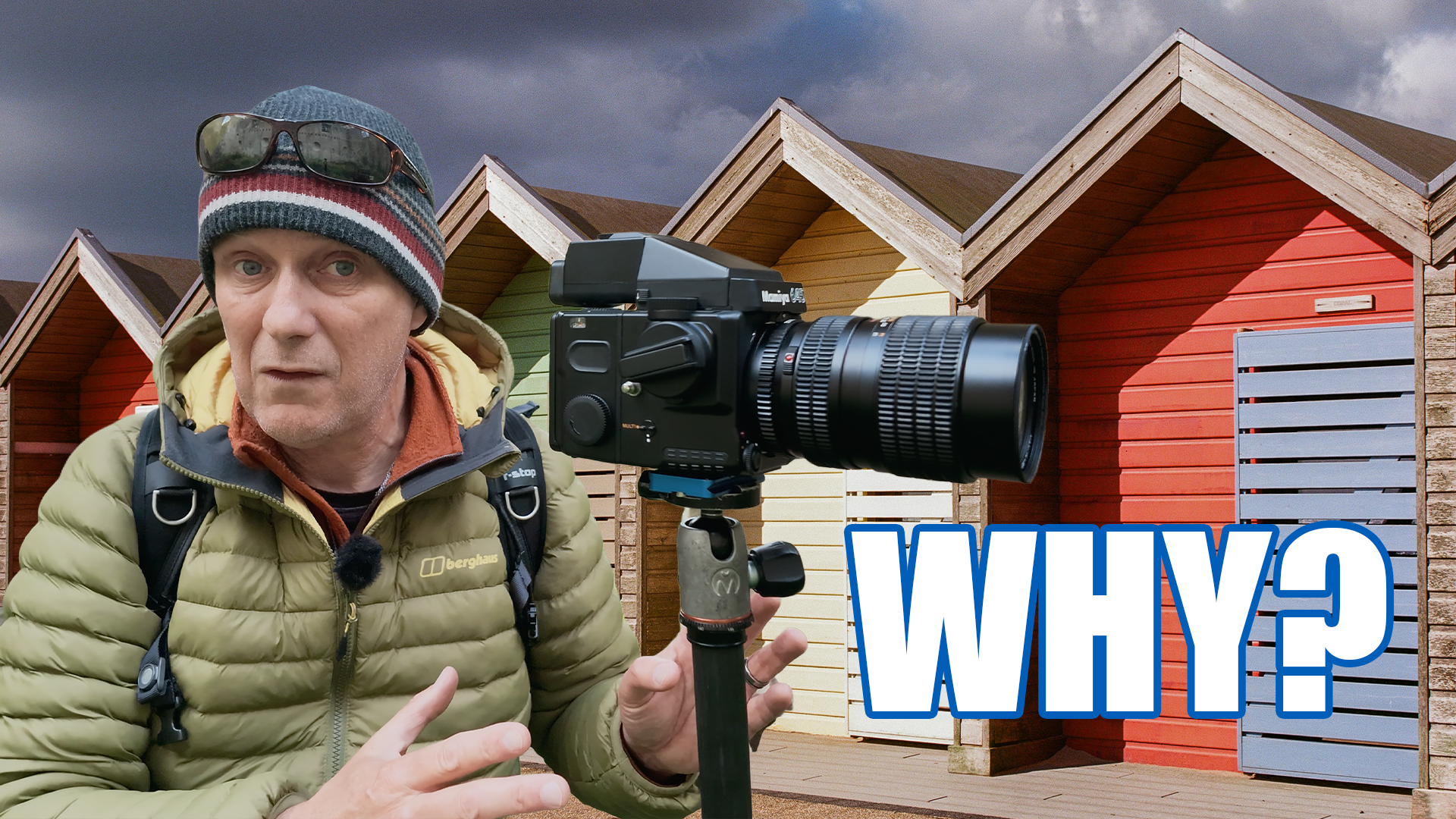
In this video, I wanted to look at five reasons why you probably shouldn’t shoot film in 2026.
But there’s a twist.
Those five reasons are also the reasons why you probably should.
Film photography is awkward, expensive, slow and inconvenient. Compared with digital photography, it often makes very little practical sense.
And yet, that is exactly why I still enjoy it.
1. Film Is Expensive
Let’s not pretend otherwise. Shooting film in 2026 is expensive.
By the time you have bought the film, paid for processing and then had the negatives scanned, every single frame has a cost attached to it.
That is a very good reason not to shoot film.
But it is also one of the biggest benefits.
Because every frame costs money, you naturally slow down. You think more carefully before pressing the shutter. You walk around more. You question whether the photograph is worth taking.
With digital, it is easy to take lots of average images and sort them out later.
With film, the cost forces you to be more deliberate.

2. You Have to Commit to a Look
With digital photography, you can change ISO, adjust picture profiles, alter white balance and completely rethink the final look during editing.
With film, much of that decision is made before you even take the first photograph.
Once you load a roll of film, you are committed.
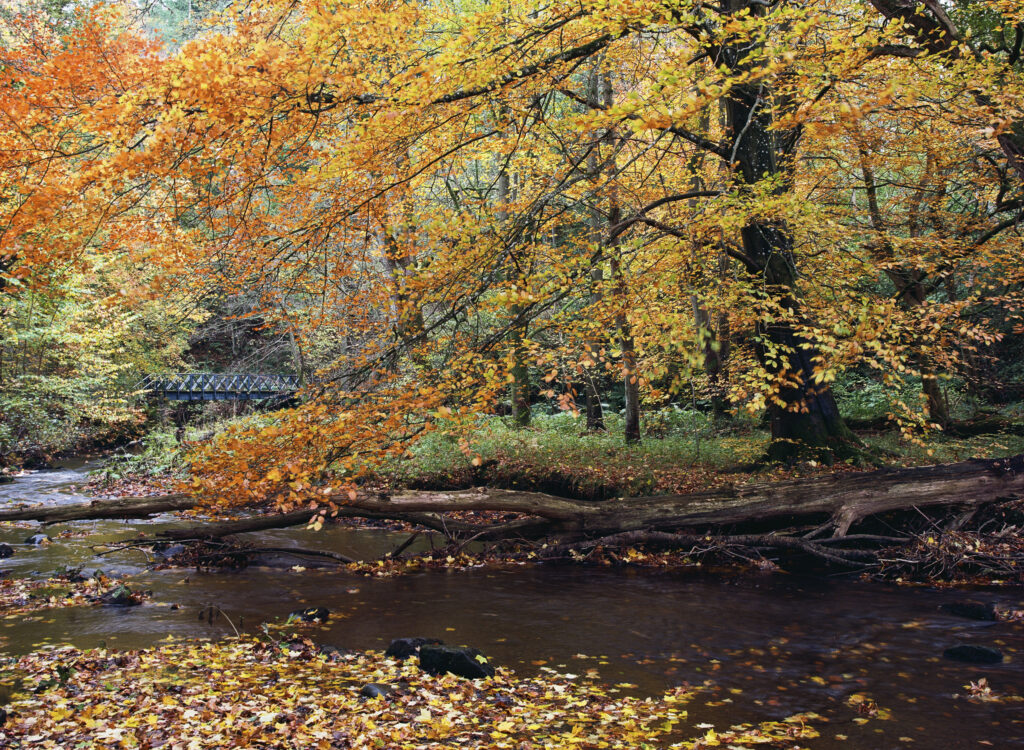
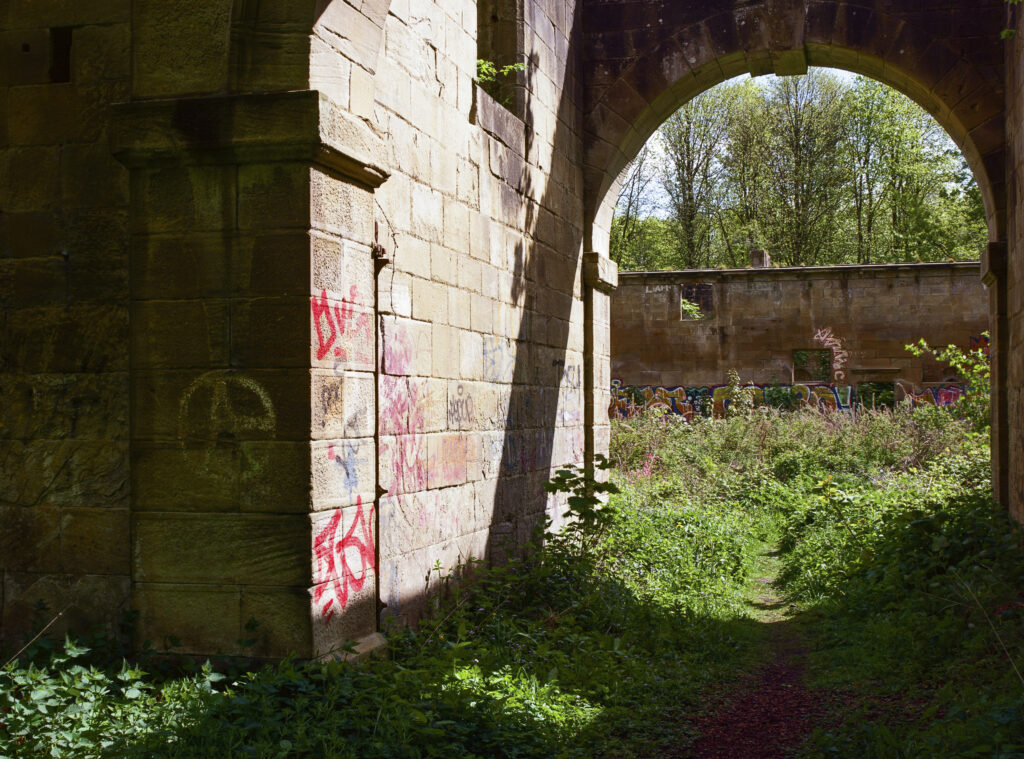
In this video I was using Kodak Ektar, an ISO 100 film known for its vibrant colour. That meant working with slower shutter speeds, using a tripod and accepting that all the images on that roll would share a similar look.
That lack of flexibility can be frustrating.
But it can also be creatively useful.
Instead of constantly changing direction, film asks you to make your photographs work within the limits of the film stock you have chosen.
3. There Is No Instant Feedback
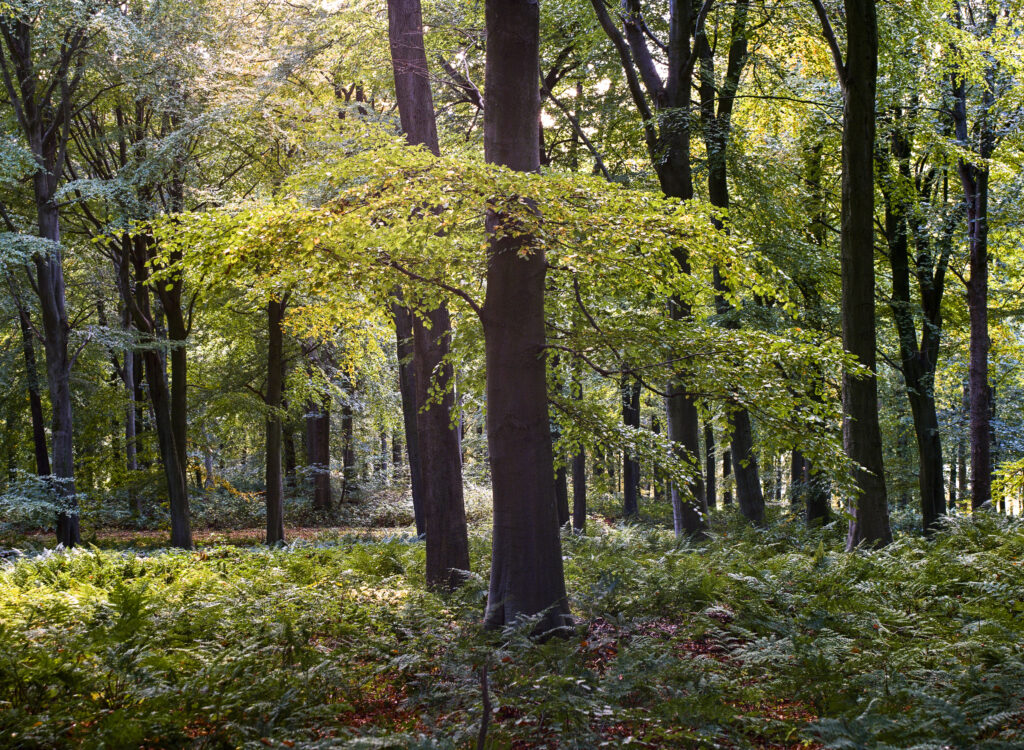
One of the biggest disadvantages of film is that you don’t know whether you have got the shot.
There is no histogram.
No rear screen.
No quick check to confirm the exposure.
You take the photograph and trust that you made the right decisions.
That can be unnerving, especially in changing light.
But again, that is also part of the appeal. Film encourages you to understand exposure properly. It asks you to meter carefully, trust your judgement and be confident in the process.
Digital feedback is useful, but it can also make us lazy.
Film removes that safety net.
4. There Is No Instant Gratification
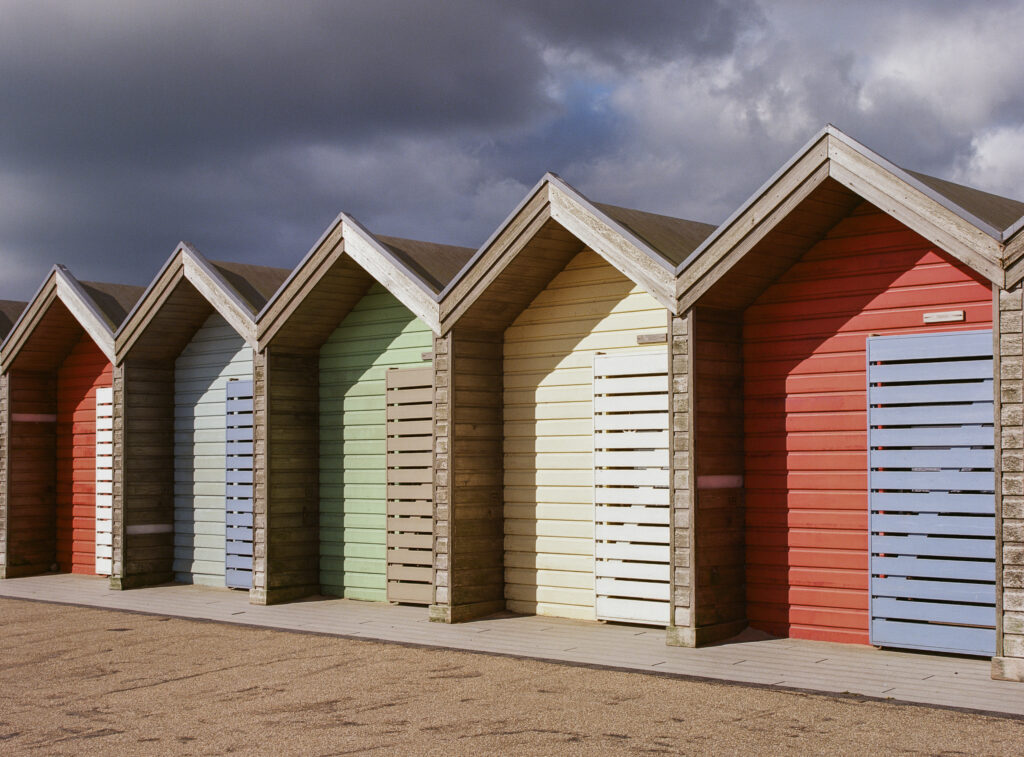
Film photography is slow in every possible way.
You might take weeks or even months to finish a roll. Then you have to send it away, wait for processing, wait for scans and eventually find out what you captured.
That delay can be frustrating.
But there is something genuinely enjoyable about it too.
By the time the scans arrive, the photographs often feel like memories rediscovered. You remember the walk, the weather, the decisions and the small moments that surrounded each image.
With digital, the experience can feel finished almost immediately.
With film, the experience returns later.
5. Film Is Inconvenient
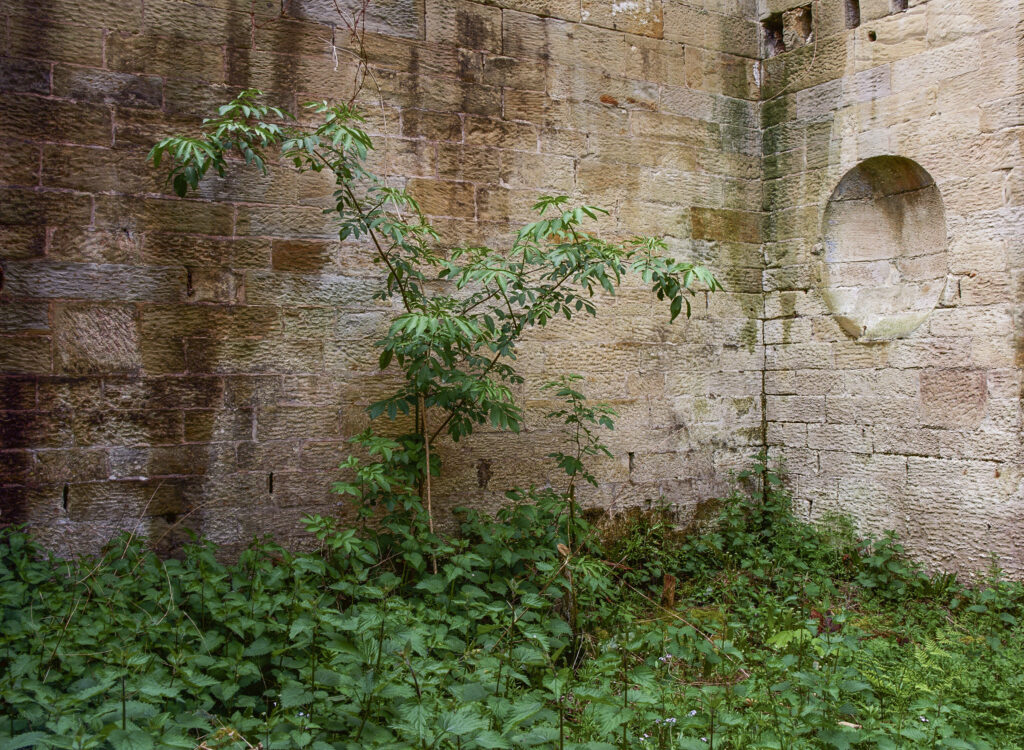
Film photography is not convenient.
Loading the camera, metering, carrying rolls, waiting for processing, scanning, dealing with dust and accepting the possibility that something might go wrong all make the process slower and more awkward than digital.
But perhaps that inconvenience is exactly what makes it worthwhile.
We live in a world built around speed and convenience. Everything is instant. Everything is available now.
Film photography pushes against that.
It slows you down.
It makes the act of taking a photograph feel more deliberate.
It becomes less about checking settings and more about the relationship between you, the camera and the subject.
So, Should You Shoot Film in 2026?
From a practical point of view, probably not.
Digital cameras are faster, cheaper to use, more flexible and technically better in almost every measurable way.
But photography is not always about practicality.
Sometimes the process matters.
Sometimes the limitations are the point.
And sometimes the very reasons something makes no sense are the reasons it becomes enjoyable.
That is why, despite all the downsides, I still think film photography has a place in 2026.
Not because it is better than digital.
But because it asks something different from you.



Leave a Reply