
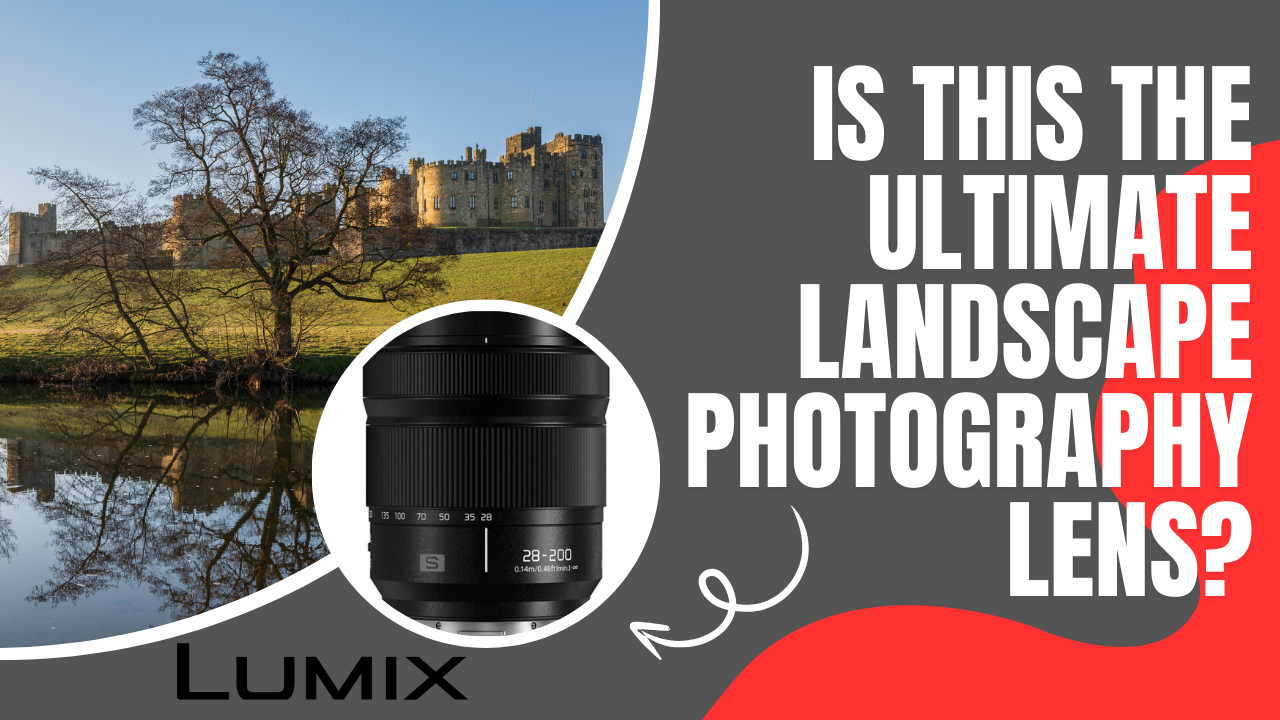
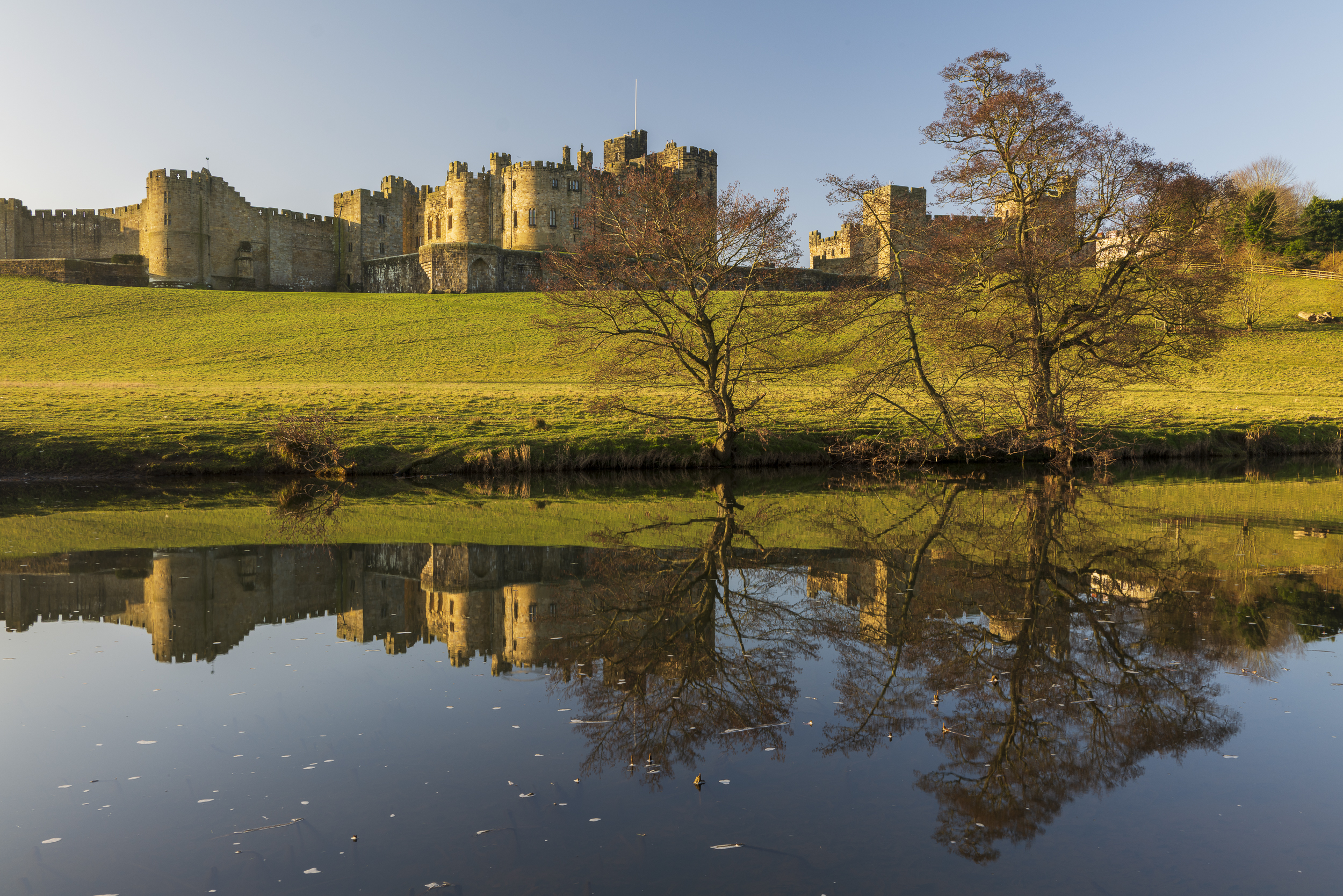
There’s something about spring mornings in Northumberland that never gets old. The light is softer, the air feels lighter, and everything seems to slow down just enough to remind you why you picked up a camera in the first place. On this particular morning, I found myself stopping off at Alnwick on the way further north, with no real agenda other than to stretch my legs, enjoy the conditions, and put a new lens through its paces for the first time.
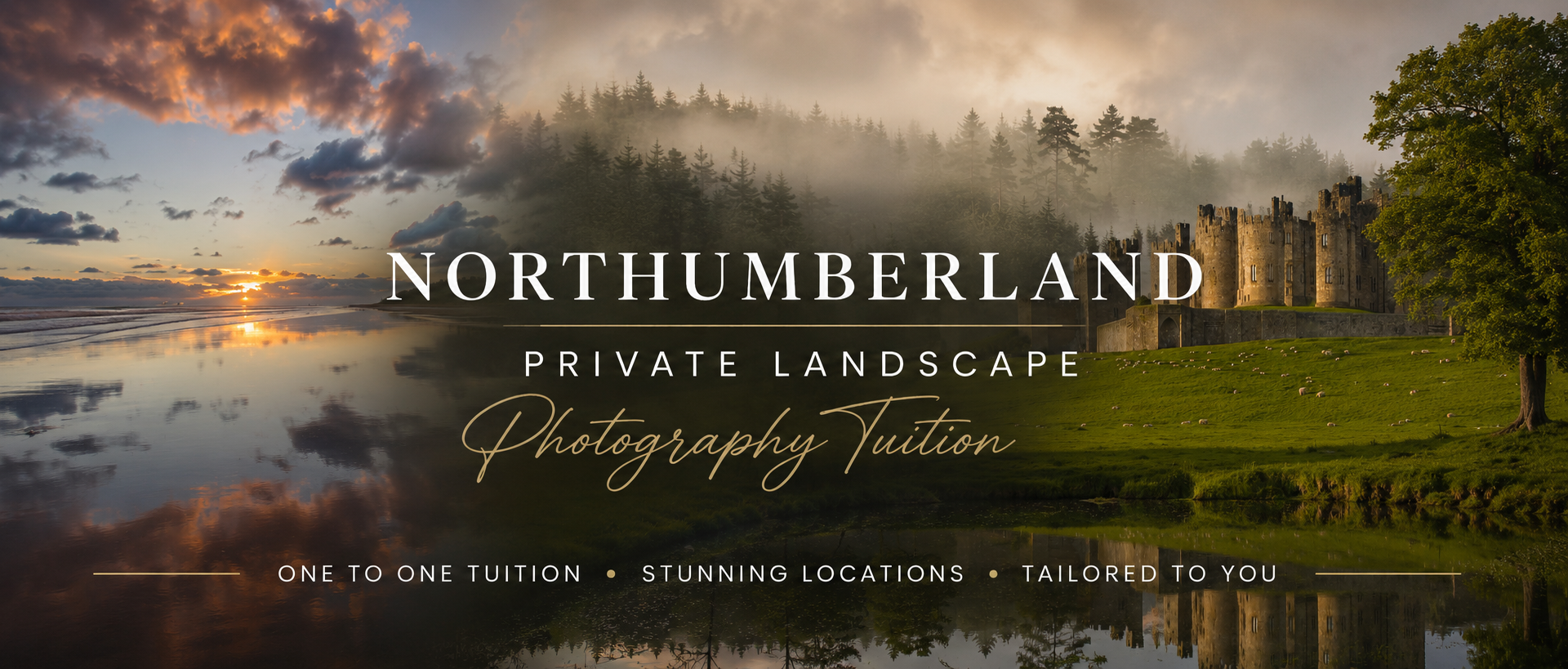
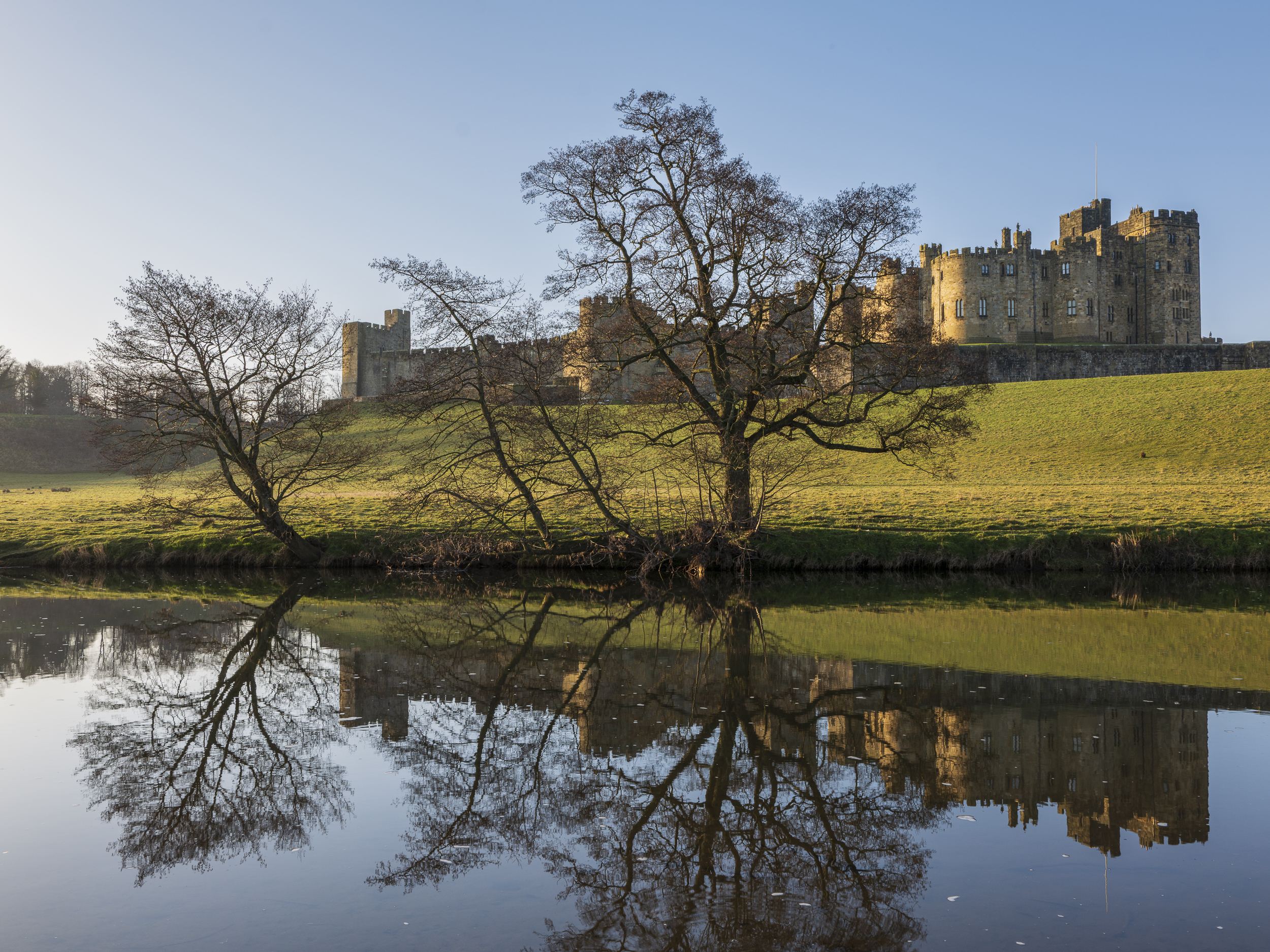
Alnwick Castle is one of those locations I’ve photographed countless times over the years, but it’s also a place that rewards repeat visits. The castle, the river, the reflections, the trees lining the banks — it’s familiar, but never dull. And for a first outing with an unfamiliar lens, familiarity can be a good thing.
This wasn’t intended to be a full review. In fact, far from it. This was simply about first impressions — taking a compact 28–200mm superzoom out into the real world and seeing how it felt to use for landscape photography, without expectations or comparisons clouding the experience.
Versatility in real conditions
There’s no denying the appeal of a focal range that stretches from wide to telephoto in a single lens. A 28–200mm range offers an enormous amount of flexibility, especially when you’re travelling light or stopping off somewhere unexpectedly, as I was here. What really struck me straight away, though, was just how small and manageable the lens felt on the camera. For something that covers such a broad range, it’s remarkably compact.
I started at the wider end, drawn to the calm water and gentle reflections forming along the river. The light was still soft, the surface mostly undisturbed, and it felt like one of those moments where you need to work fairly quickly before conditions change. Shooting at 28mm gave me a pleasing, balanced composition, even if part of me occasionally wished for a touch more width. That said, knowing the limitations of your tools is part of the process, and sometimes those constraints help refine your approach rather than hinder it.
Working slowly — even with flexible gear
One thing I’m always conscious of is not letting versatility encourage laziness. Just because you can zoom doesn’t mean you should rush compositions. I still worked slowly, adjusting position, refining the frame, and paying attention to small details like reflections, edges, and breathing space within the image.
I experimented briefly with a polariser, aware of how easily uneven effects can creep in on full-frame cameras, especially as focal lengths change. In the end, keeping things simple felt right. The conditions were doing most of the work already.
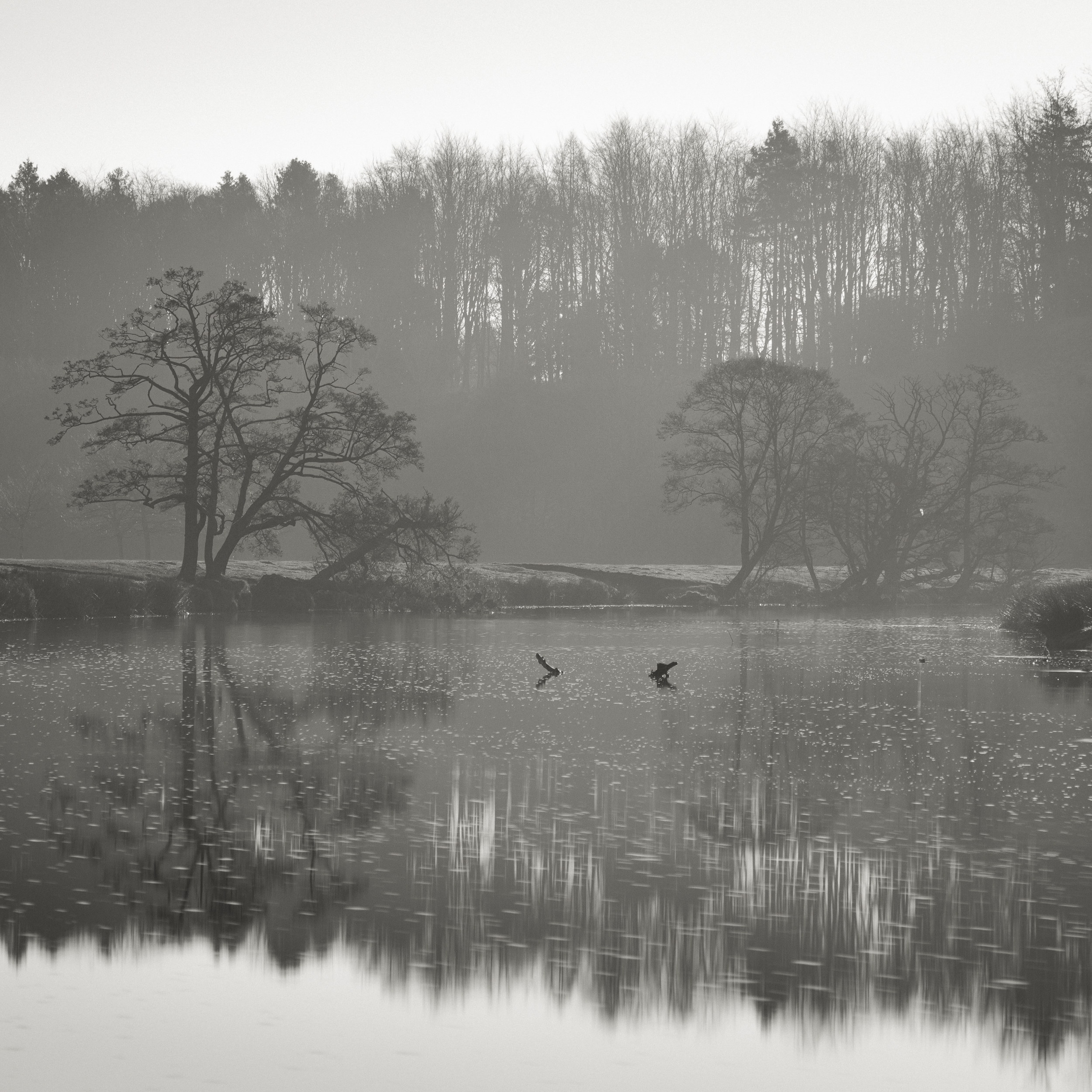
One of the unexpected joys of a lens like this is how quickly you can respond to what you notice after making a shot. Walking back from the river, a lone tree caught my eye in the distance. Rather than wishing I had a different lens in the bag, I simply zoomed in and worked a tighter, more minimalist composition. That’s where the real strength of a superzoom starts to show — not as a replacement for primes or specialist lenses, but as a tool that lets you react intuitively.
Small technical reminders
There was a brief moment of doubt when I realised image stabilisation was still switched on while shooting from a tripod. It’s one of those easy mistakes that can catch anyone out, and something I’ve seen cause issues on workshops before. Thankfully, the images looked fine, but it was a timely reminder that familiarity with your settings matters just as much as familiarity with your gear.
Later, I added a strong ND filter to eliminate any movement in the water, even though it was probably overkill for the scene. Sometimes photography isn’t about what’s “correct” on paper, but about achieving the look you have in mind — even if that means using more filtration than strictly necessary.
A system that makes sense
What stood out over the course of the morning wasn’t just the lens itself, but how well it fits into the broader Panasonic system. Shared filter sizes, consistent handling, and sensible design choices all make a difference when you’re working in the field. The lens isn’t perfect — the variable aperture limits its usefulness indoors, and the exterior material is undeniably a dust magnet — but these are small trade-offs in the context of what it offers.
Optically, it’s far too early to draw conclusions. First impressions can be misleading, and I’ve learned the hard way that a lens can impress initially and disappoint later, or vice versa. That’s why I’m deliberately avoiding verdicts here. Image quality takes time to understand, especially at the telephoto end, and that’s something only repeated use will reveal.
First impressions, not final conclusions
What I can say is that the experience of using this lens was genuinely enjoyable. It encouraged exploration rather than hesitation, and it never felt like it got in the way of the process. For landscape photography, especially when travelling or working between locations, that counts for a lot.
This morning at Alnwick wasn’t about chasing a portfolio image or testing gear to destruction. It was about slowing down, responding to the light, and seeing what unfolded — which, ultimately, is what keeps photography enjoyable after all these years.
I’ll revisit this lens properly after a few months of real-world use. For now, these are simply first impressions from a calm spring morning in Northumberland — and sometimes, that’s more than enough.


Leave a Reply