
For most of October I’ve actually been photographing autumn on film using my Mamiya 645 medium format camera. It’s a process I really enjoy. Film slows you down and makes every frame feel deliberate.
But sometimes digital photography gives you something film simply can’t — the freedom to experiment.
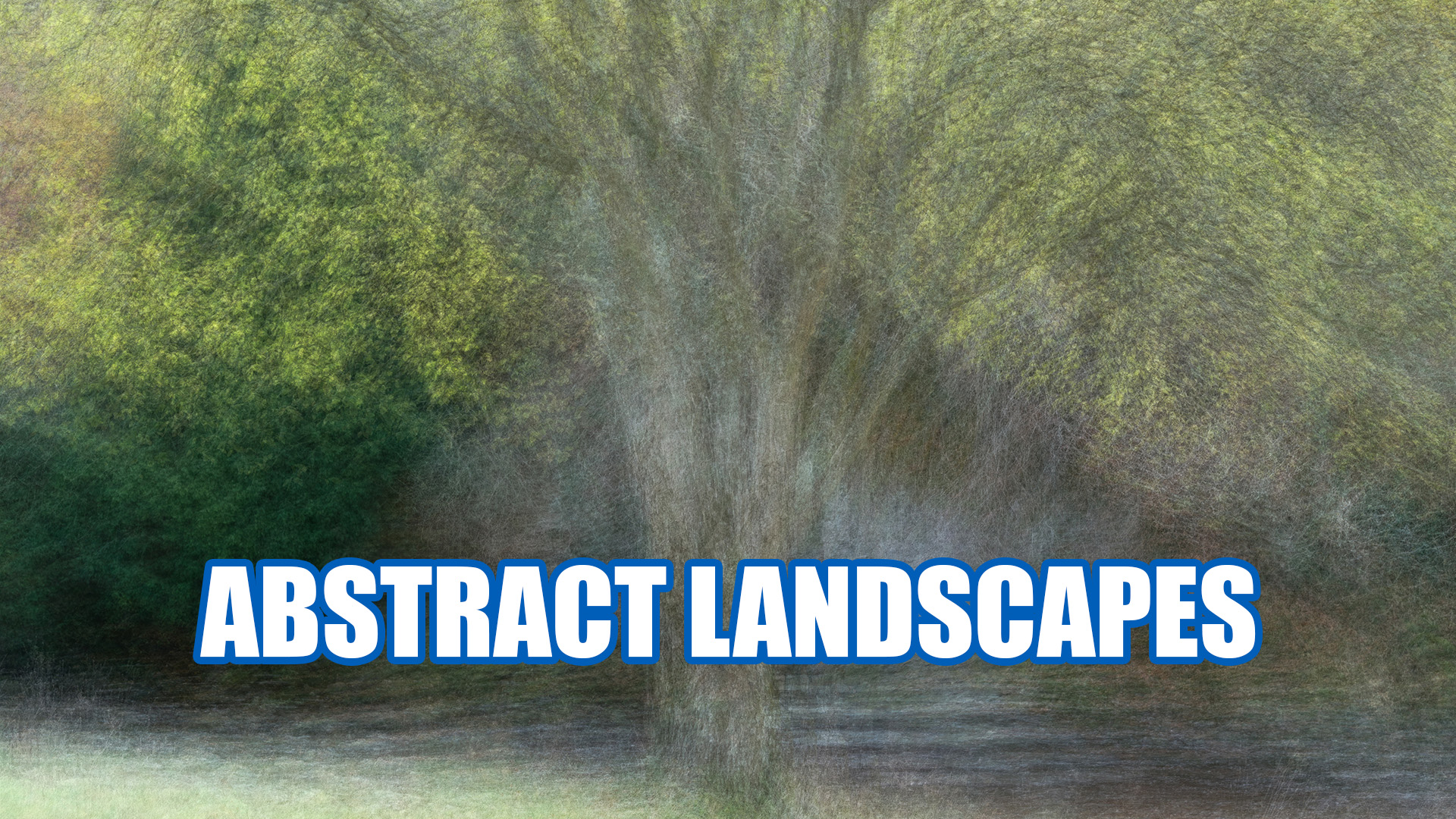
In this video I headed out to a patch of ancient woodland in Northumberland with one simple idea: use the multiple exposure mode on the Fujifilm X-T5 to create abstract, impressionistic photographs of the last colours of autumn.
Rather than trying to document the scene exactly as it appeared, I wanted to create images that felt more like paintings than photographs.
Watch the Video
A Simple Creative Technique
The technique itself is surprisingly simple.
The Fujifilm X-T5 allows you to combine up to nine exposures in camera, merging them into a single image file. Each time you take a photograph the camera overlays it with the previous frame.
For this shoot I deliberately worked handheld, which is the key to the look.
Because each frame is taken with tiny shifts in composition, the final image develops a soft, dreamy quality. The trees, branches and colours remain recognisable, but the slight misalignment creates a gentle blur that feels almost painterly.
It’s similar in spirit to Intentional Camera Movement (ICM) photography, but instead of moving the camera during a single exposure, the effect is created by layering several slightly different images together.
The result can look surprisingly impressionistic.
Why Digital Makes This Easier
This is one of those techniques that really benefits from being digital.
Of course you could do this with film — there’s no technical reason why not. But realistically the success rate would be fairly low, and every mistake would cost you a frame.
When you’re experimenting creatively, it’s nice to have the freedom to try things without worrying about the cost of every shot.
And with this technique you really do need to experiment.
Some frames work beautifully. Others look like absolute chaos.
But that’s part of the fun.
Finding Subjects That Work
Woodland is an ideal subject for this technique.
The vertical lines of trees, combined with autumn colours and layered foliage, produce shapes that blend together in interesting ways when exposures overlap.
During the walk I experimented with several compositions:
- Tight crops of individual trees
- Wider views including multiple trunks
- Scenes with warm autumn colour
- A shot incorporating a bridge railing and the surrounding woodland
One thing I often try to avoid in abstract compositions like this is too much sky.
Sky tends to become bright, messy areas when exposures overlap, so I usually try to compose in a way that keeps the frame filled with textures and shapes instead.
Stability Matters (But Not Too Much)
Although the technique relies on slight movement between frames, I found that too much movement ruins the effect.
The trick seems to be starting with a stable position and then allowing natural movement to create subtle shifts.
At one point I was balancing on a rock while shooting, which introduced more movement than I wanted. Sitting down and bracing myself slightly actually produced better results.
Think of it as a middle ground between tripod stability and freehand movement.
Trying the Technique With Two Exposures
I was joined on this walk by photographer David Taylor, who uses OM System cameras.
One limitation of those cameras is that their multiple exposure mode only allows two frames, rather than nine.
So we set him a challenge — see what kind of result he could create using just two exposures.
Interestingly, the results still worked well.
While nine exposures create a more layered painterly look, even two exposures can produce interesting abstract images if the subject and movement work together.
You Don’t Need Multiple Exposure Mode
If your camera doesn’t have a built-in multiple exposure function, you can still achieve the same effect.
Simply take several images of the same composition and then combine them later in software such as Photoshop.
By stacking the images as layers and adjusting the opacity of each layer, you can control exactly how the exposures blend together.
It takes a little longer, but it gives you even more control over the final image.
Photographing What You Felt
Most of the time when I’m photographing landscapes I’m quite deliberate about composition — tripod, careful framing, and waiting for the right moment.
But sometimes it’s nice to just pick up a camera and play.
Not every photograph needs to be a literal representation of the scene in front of you.
Sometimes it’s more interesting to create an image that reflects how the place felt, rather than exactly what it looked like.
And techniques like multiple exposure photography are a great way to explore that.


Leave a Reply