
I’ve got a confession to make.
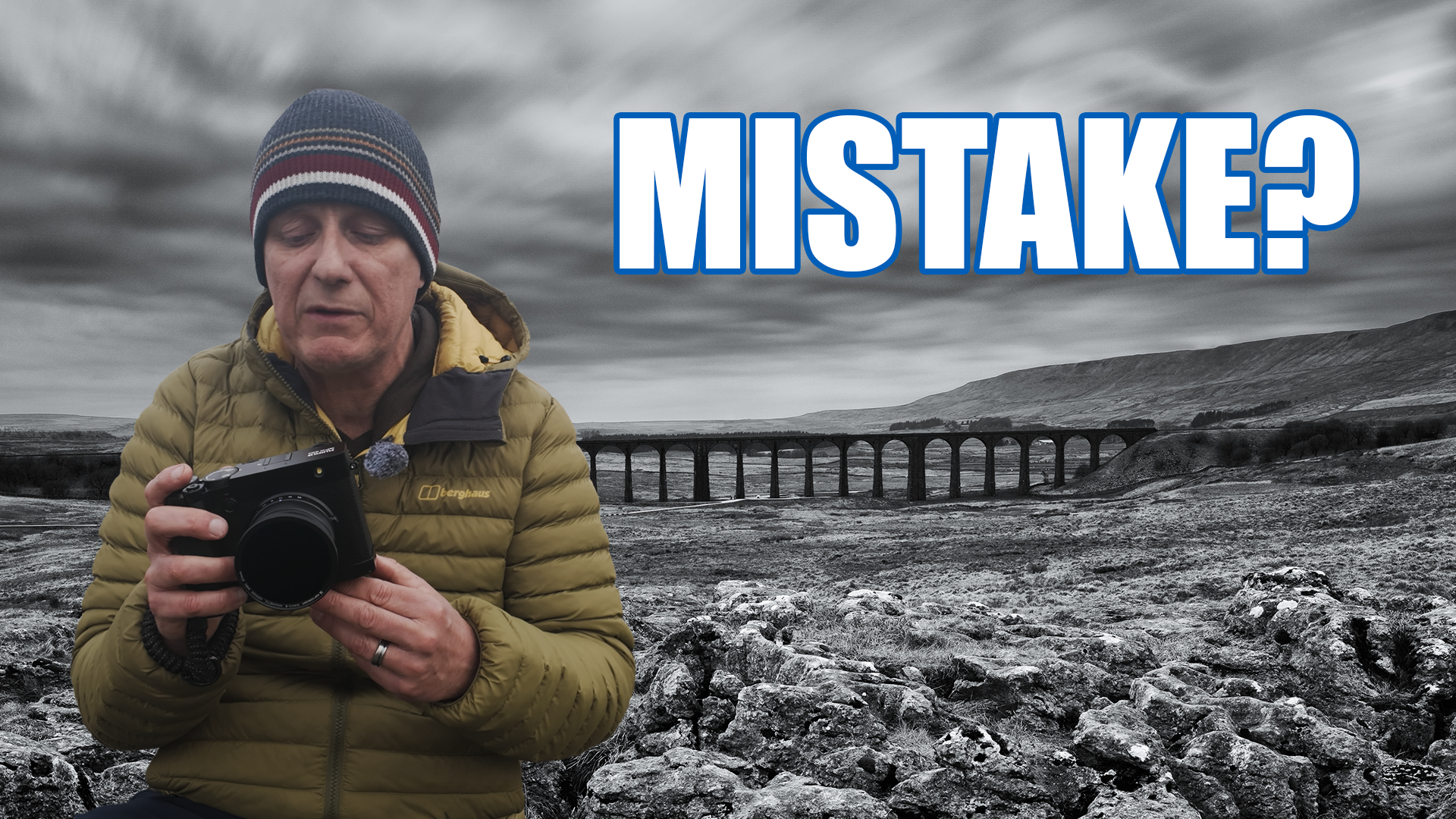
Recently, I seriously considered selling my Fujifilm GFX100RF.
Not because it’s a bad camera. Quite the opposite, actually. The problem is that it’s such a specific camera that I started questioning whether I could really justify keeping something so expensive when it doesn’t necessarily suit every situation.
And honestly, I never thought I’d even say that out loud.
The Fujifilm GFX100RF is a strange camera in many ways. It’s a 100-megapixel medium format compact camera with a fixed lens — something that almost sounds absurd when you first hear about it. On paper, it feels like a dream camera for photographers who love image quality and portability.
But once the excitement settles down, reality kicks in.
You start asking practical questions.
Is the fixed 35mm lens too limiting? Are 100MP files overkill? Do you really need medium format for casual photography? Could a smaller interchangeable lens system simply make more sense?
Those were the questions going through my head.
Then I found myself making an unexpected trip across the country and had to decide which camera to throw in my bag. That’s when everything suddenly became much clearer.
If I didn’t take the Fujifilm GFX100RF, my alternatives were either a larger interchangeable lens medium format setup or a more work-focused camera system. Both would have meant more weight, more lenses, more decisions, and ultimately a far bigger bag.
Instead, I grabbed the RF.

And almost immediately, I remembered why this camera exists.
There’s something incredibly freeing about carrying a compact medium format camera that doesn’t require an entire system around it. I could jump on a train, walk for miles, explore the landscape, and still have a 100MP medium format camera ready to go without feeling weighed down by equipment.
That matters more than I think many photographers realise.
It’s very easy to fall into the trap of believing that more options automatically lead to better photography. Wider lenses, telephotos, macro lenses, multiple bodies — they all sound useful, and sometimes they absolutely are. But there’s also a point where too much choice starts becoming a burden rather than a benefit.
This trip really highlighted that for me.
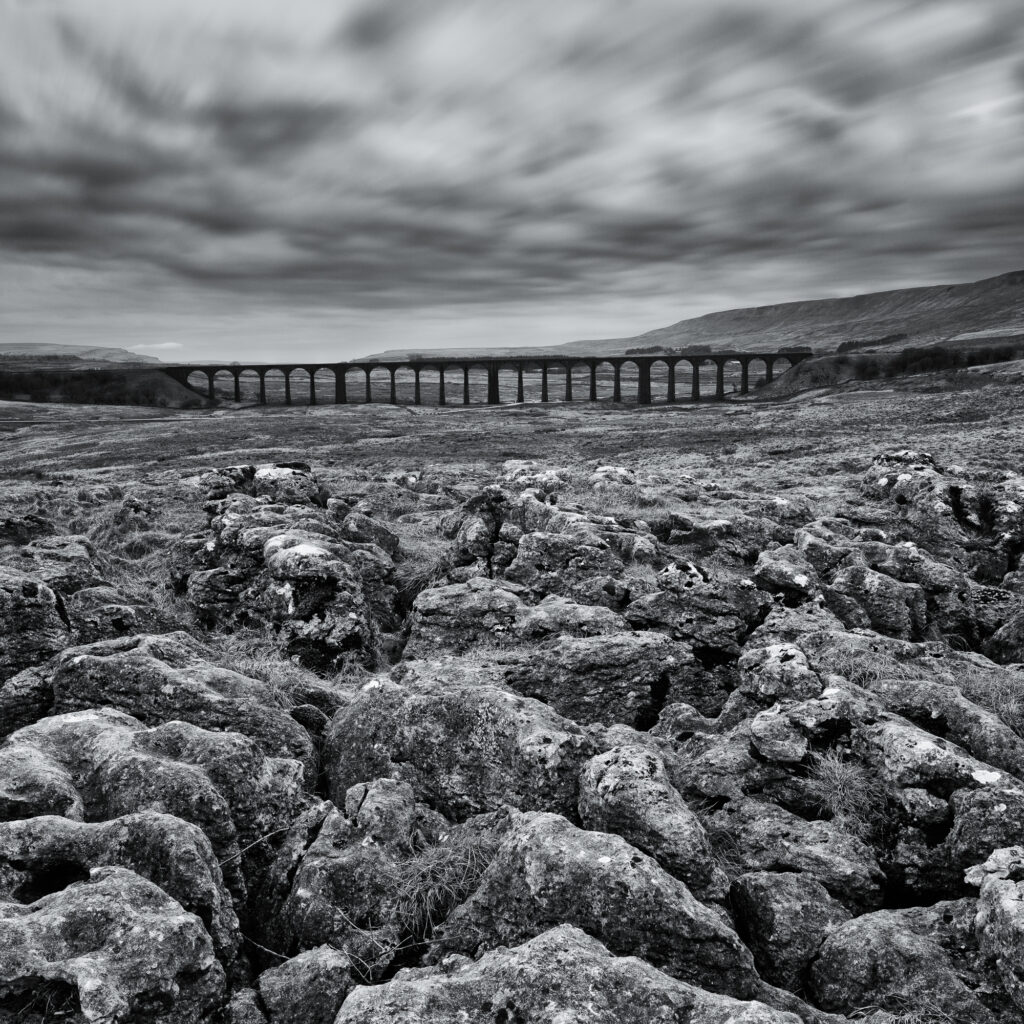
Walking through the Yorkshire Dales with a lightweight bag and a single camera setup felt refreshingly simple. I wasn’t constantly thinking about changing lenses or whether I’d brought the “right” focal length. Instead, I was just reacting to the landscape and enjoying the process of taking photographs.
And that’s probably where the Fujifilm GFX100RF makes the most sense.
I’ve previously described the camera as both blessed and cursed, and I still think that’s true. It’s blessed because it offers genuinely remarkable image quality in an incredibly portable package. But it’s cursed because it asks a lot from the photographer using it.
You have to embrace its limitations.
You have to accept the fixed lens.
You have to accept the huge files.
And perhaps most importantly, you have to accept that this camera isn’t designed to do everything.
That’s where I think many people struggle with it.
I’ve seen quite a few of these cameras appearing for sale already, and I suspect a lot of buyers were initially drawn in by the idea of a “100-megapixel compact camera” without really thinking about the realities of living with one day-to-day.
Because living with 100MP files is different.
Storage fills up quickly. Editing slows down. Computers work harder. You start becoming more selective with your shooting because every image carries a bit more weight — both creatively and technically.
But strangely, that’s also part of the appeal.
Over time, I’ve started to realise that the camera’s constraints are actually what make it special. The crop modes, which I originally viewed with a bit of scepticism, suddenly started making more sense too. When you begin with 100 megapixels, cropping down still leaves you with genuinely usable files. Effectively, the camera can cover a surprisingly flexible range without ever changing lenses.
And for the sort of photography I increasingly enjoy — travel, landscapes, city walks, slower photography — that flexibility is often enough.
That doesn’t mean the camera is perfect for everyone. Far from it.
In fact, I think the most important question anyone considering the Fujifilm GFX100RF should ask is this:
Are you actually the intended end user?
Because this is absolutely a niche camera.
If you need fast telephoto performance, huge lens variety, or lightweight file sizes, it probably isn’t for you. But if you value simplicity, portability, intentional shooting, and the experience of carrying a medium format camera without the usual bulk, then suddenly it starts making a lot more sense.
For me, this trip completely changed my perspective.
I started the journey wondering whether I should sell the camera.
I ended it wondering whether I actually needed all the other gear instead.


Leave a Reply