
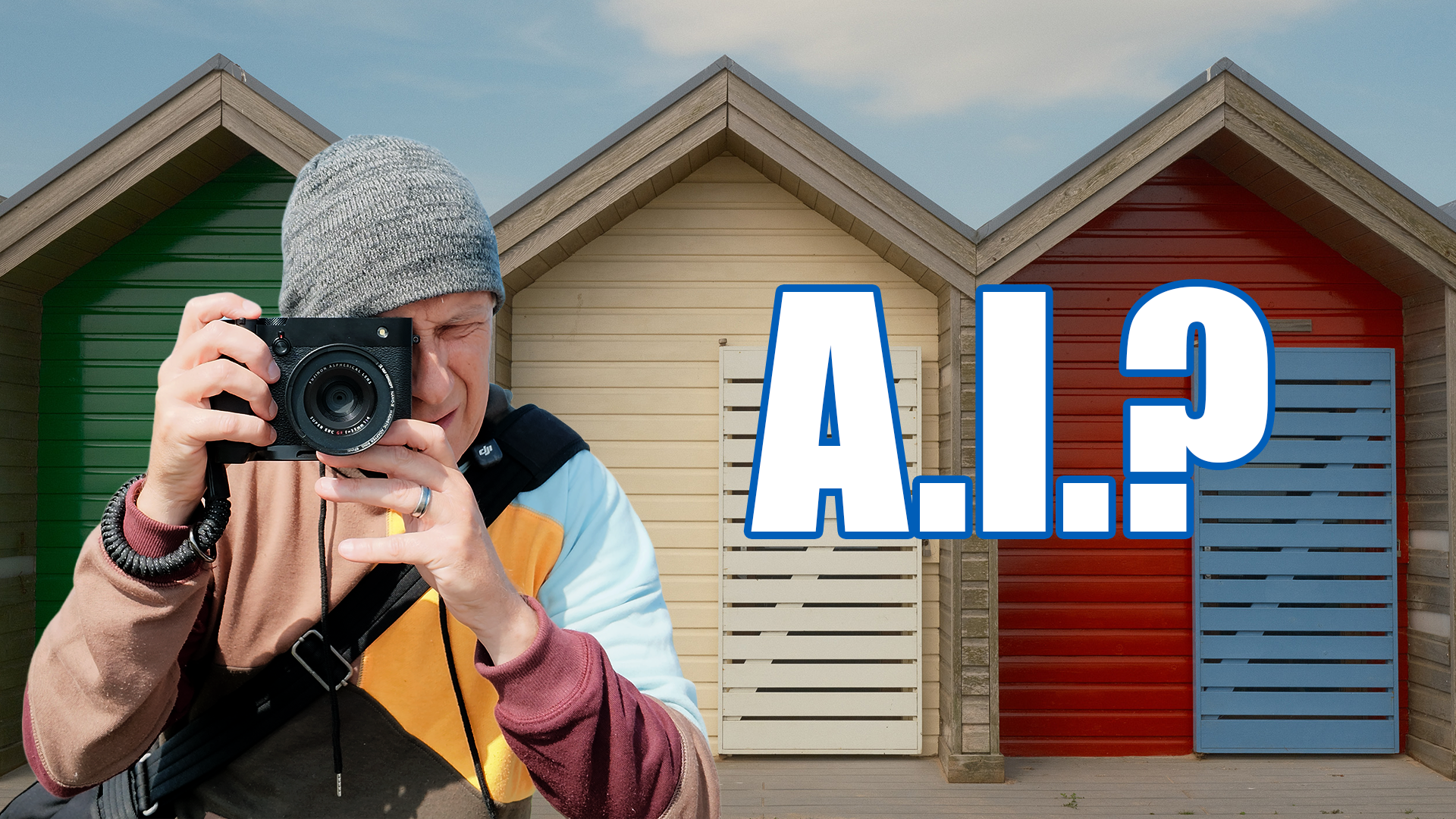
Film recipes have become one of the biggest reasons photographers fall in love with Fujifilm cameras. The ability to create distinctive JPEGs straight out of the camera, without spending time editing afterwards, is a huge part of the Fujifilm shooting experience.
Most photographers either download recipes created by other users or spend time developing their own. But with artificial intelligence becoming increasingly capable, I found myself wondering whether AI could do the hard work instead.
Could it analyse the look I wanted and generate a completely new Fujifilm film recipe?
There was only one way to find out.
What Is a Fujifilm Film Recipe?
If you’re new to Fujifilm cameras, a film recipe is simply a collection of in-camera settings that work together to produce a particular look in your JPEG photographs.
Rather than editing every image afterwards, you adjust settings such as:
- Film Simulation
- White Balance and Colour Shift
- Highlight and Shadow Tone
- Colour Chrome Effects
- Sharpness
- Clarity
- Noise Reduction
- Dynamic Range
The result is a distinctive style that’s applied the moment you press the shutter. In many ways, it’s similar to applying a preset—but before the photograph is even taken.
Asking AI to Design a Film Recipe
Instead of asking AI for a generic recipe, I tried to be as specific as possible.
I wanted something based on Nostalgic Neg, inspired by the warmth of Kodak Portra and Kodak Gold, with slightly overexposed highlights and colours suited to photographing the North East coastline during the summer months.
Rather than manually tweaking every setting myself, I allowed AI to make all of the creative decisions.
Within a few moments it generated an entirely new recipe, complete with a name: North East Coast Summer Gold.
The next step was simply to enter those settings into my Fujifilm GFX100RF and head outside.
Taking the Recipe Into the Real World
Testing a film recipe on a computer screen is one thing.
Finding out whether you actually enjoy photographing with it is something completely different.
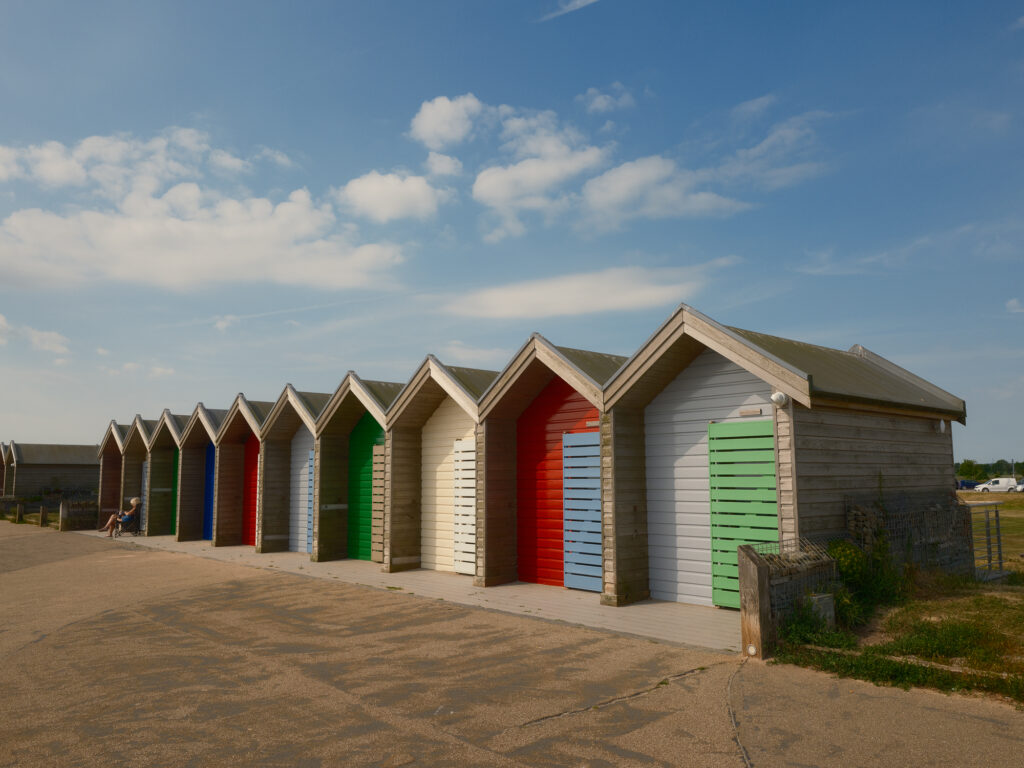
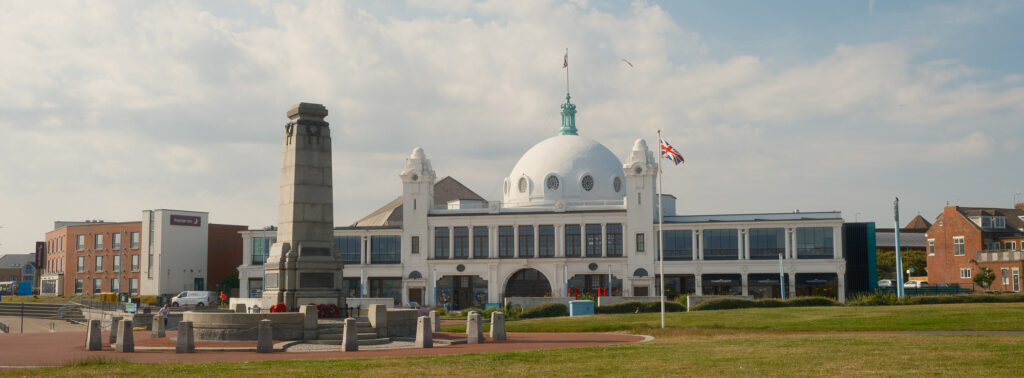
I spent the following morning walking around my local coastline, photographing beaches, sandcastles, beach huts and the iconic Spanish City using nothing but the AI-generated recipe.
Very quickly I realised something surprising.
I was enjoying it.
The colours felt warm without becoming unrealistic, highlights remained soft, and the photographs had a pleasant character that worked particularly well in bright summer conditions.
Did they look exactly like film?
No.
But they certainly felt less clinical than a standard digital JPEG.
The Recipe Was Good… But Was It Original?
This is where the experiment became far more interesting.
Out of curiosity, I asked AI to generate another recipe inspired by Kodak Portra.
The result was remarkably similar to an existing and well-known Fujifilm recipe already available online, differing by only a tiny adjustment to the white balance settings.
That immediately raised an important question.
Was AI genuinely creating something new?
Or was it simply combining information it had already learned from recipes published elsewhere?
It’s difficult to know for certain, but it highlights an important consideration whenever we ask AI to produce creative work.
AI Should Be a Teacher, Not a Shortcut
For me, the biggest takeaway from this experiment wasn’t actually the recipe itself.
It was how useful AI can be as a learning tool.
Rather than asking it to create finished recipes indefinitely, I think a much better approach is to ask why it has chosen certain settings.
Why increase the red shift?
Why reduce clarity?
Why soften the highlights?
Once AI begins explaining those decisions, you start to understand how each setting influences the final image.
At that point, you’re no longer copying somebody else’s work.
You’re creating your own.
Can AI Replace Creative Judgement?
Not really.
Photography has always been about making creative decisions, and that doesn’t change simply because artificial intelligence becomes involved.
AI can make suggestions.
It can generate ideas.
It can explain technical concepts.
But it can’t know exactly how you want your photographs to look.
That’s still your job.
In that sense, I see AI less as a replacement for creativity and more as an assistant—one that’s capable of helping photographers learn faster and experiment with ideas they may never have considered otherwise.
Final Thoughts
So, can AI create a good Fujifilm film recipe?
Surprisingly, yes.
The recipe it generated produced attractive JPEGs that I’d happily use again for casual summer photography, and it demonstrated just how quickly AI can turn a creative idea into a practical starting point.
However, the experiment also highlighted one of AI’s biggest limitations.
Just because something appears new doesn’t necessarily mean it’s original.
For that reason, I’d encourage photographers to use AI as a source of inspiration rather than as a shortcut. Ask it to explain settings, experiment with different looks and use its suggestions as the foundation for your own recipes rather than accepting them without question.
After all, the most satisfying film recipe isn’t one generated by artificial intelligence.
It’s the one you refine yourself through experience, experimentation and time spent behind the camera.
If you’d like to see the complete recipe, along with the photographs it produced and the thought process behind the experiment, be sure to watch the accompanying YouTube video.


Leave a Reply