
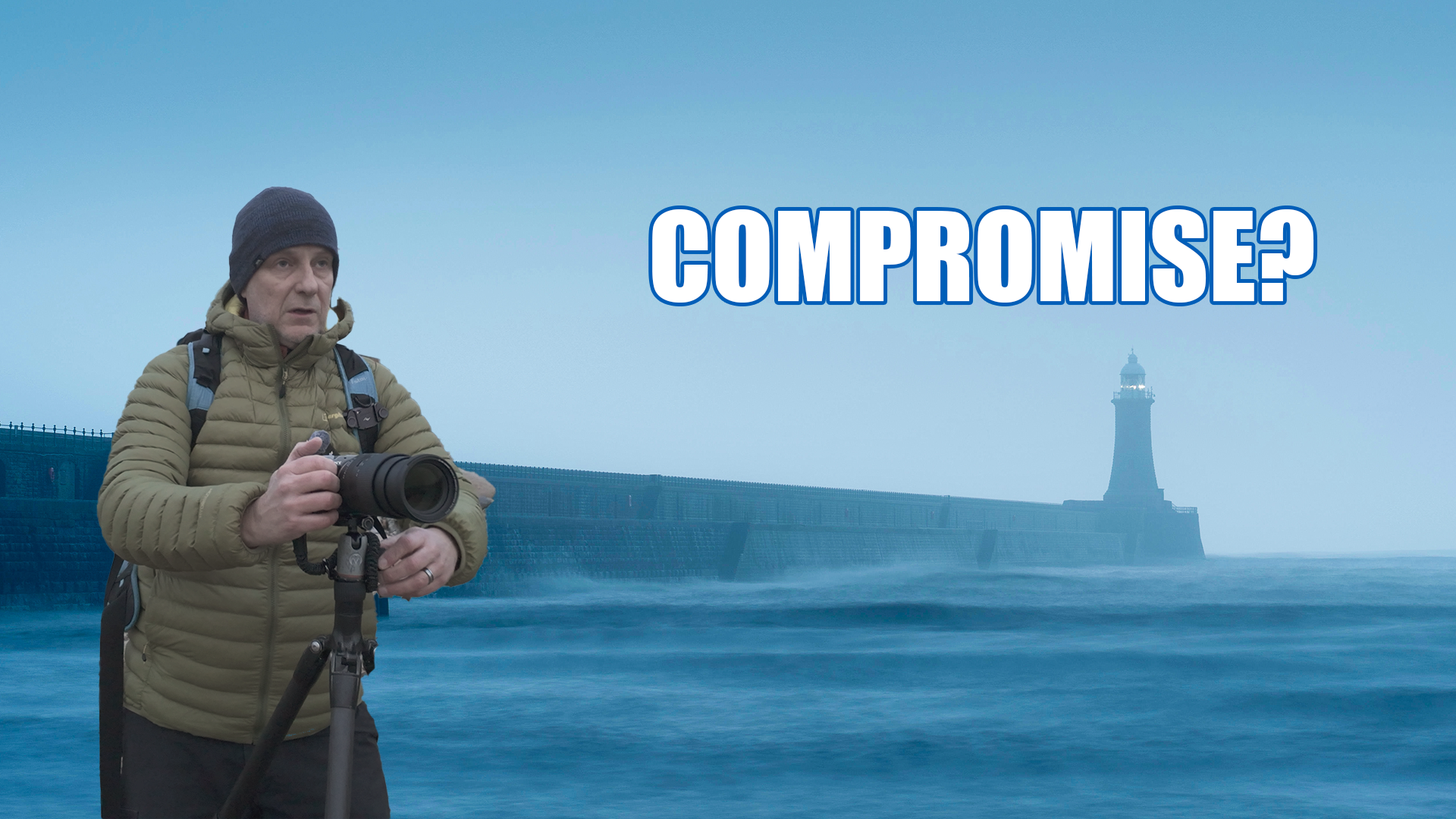
If you spend any time reading photography forums or scrolling through social media, you’ll quickly notice one thing: photographers are very opinionated about gear. Especially when it comes to landscape photography.
You’ve probably heard some of the classics before — “That sensor is too small for landscapes,” “You can’t shoot landscapes with a fixed lens camera,” or “Superzoom lenses just aren’t sharp enough.”
And honestly? I’ve never been a fan of those kinds of rules.
In my latest video, I head out on a misty morning with a Tamron 28–200mm superzoom mounted to an older Sony A7C, with one simple goal: to see whether superzoom lenses really are as bad for landscape photography as some people claim. This isn’t a technical lens review or a pixel-peeping exercise — it’s a real-world shoot in challenging conditions, focusing on what actually matters when you’re out making photographs.
Shooting in Real Conditions, Not Perfect Ones
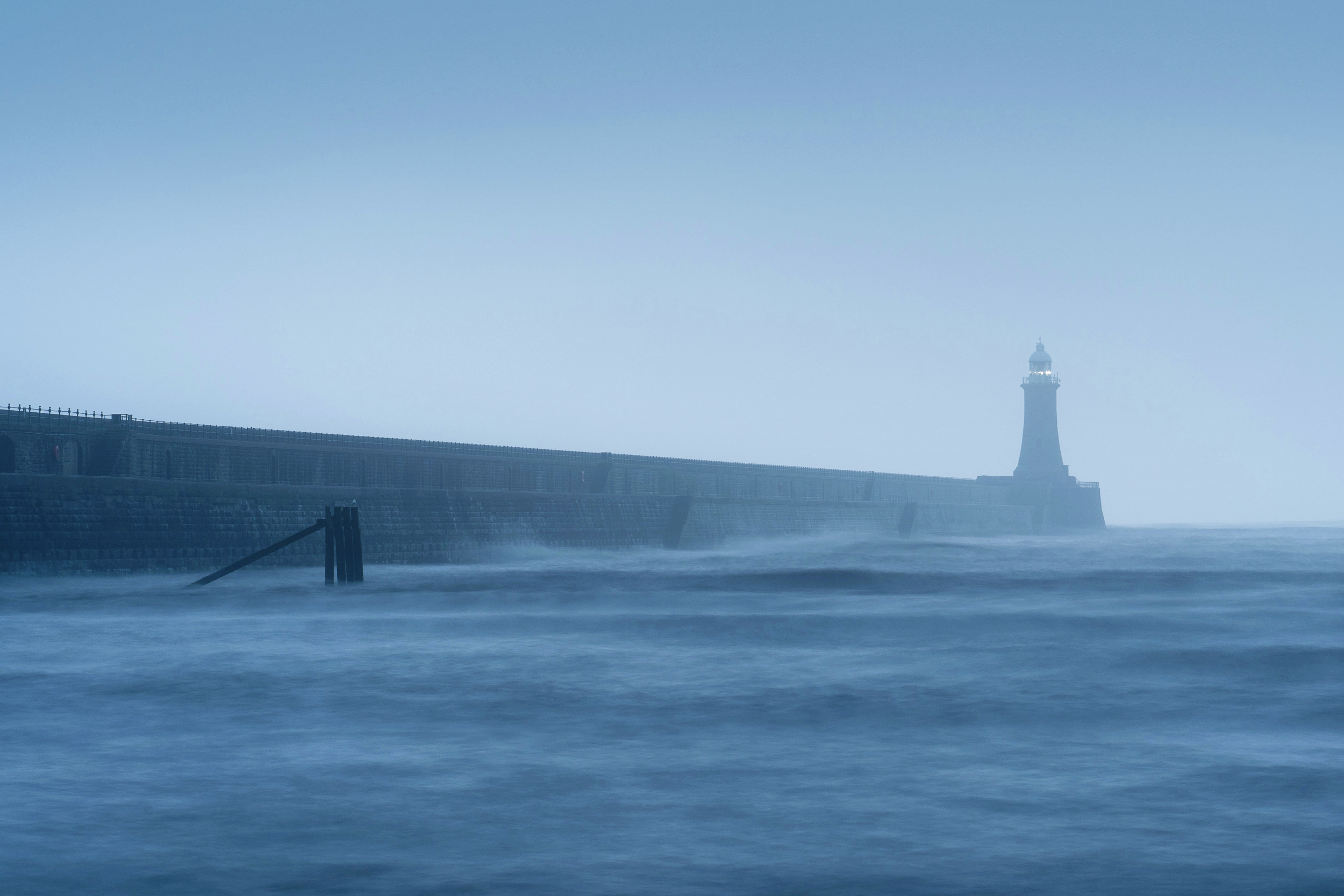
The morning started on the coast, battling thick fog, fading light, and a lighthouse that stubbornly refused to appear when I wanted it to. The camera struggled to focus at times, the light was constantly changing, and at the long end of the zoom the aperture dropped to f/5.6 — one of the commonly cited “problems” with superzoom lenses.
But here’s the thing: because the camera was on a tripod and I was actively embracing long exposures, that limitation simply didn’t matter. In fact, the flexibility of having 28–200mm in a single lens meant I could adapt quickly as the conditions changed — without swapping lenses in damp, foggy air.
And that theme runs through the entire video.
Versatility Is a Creative Advantage
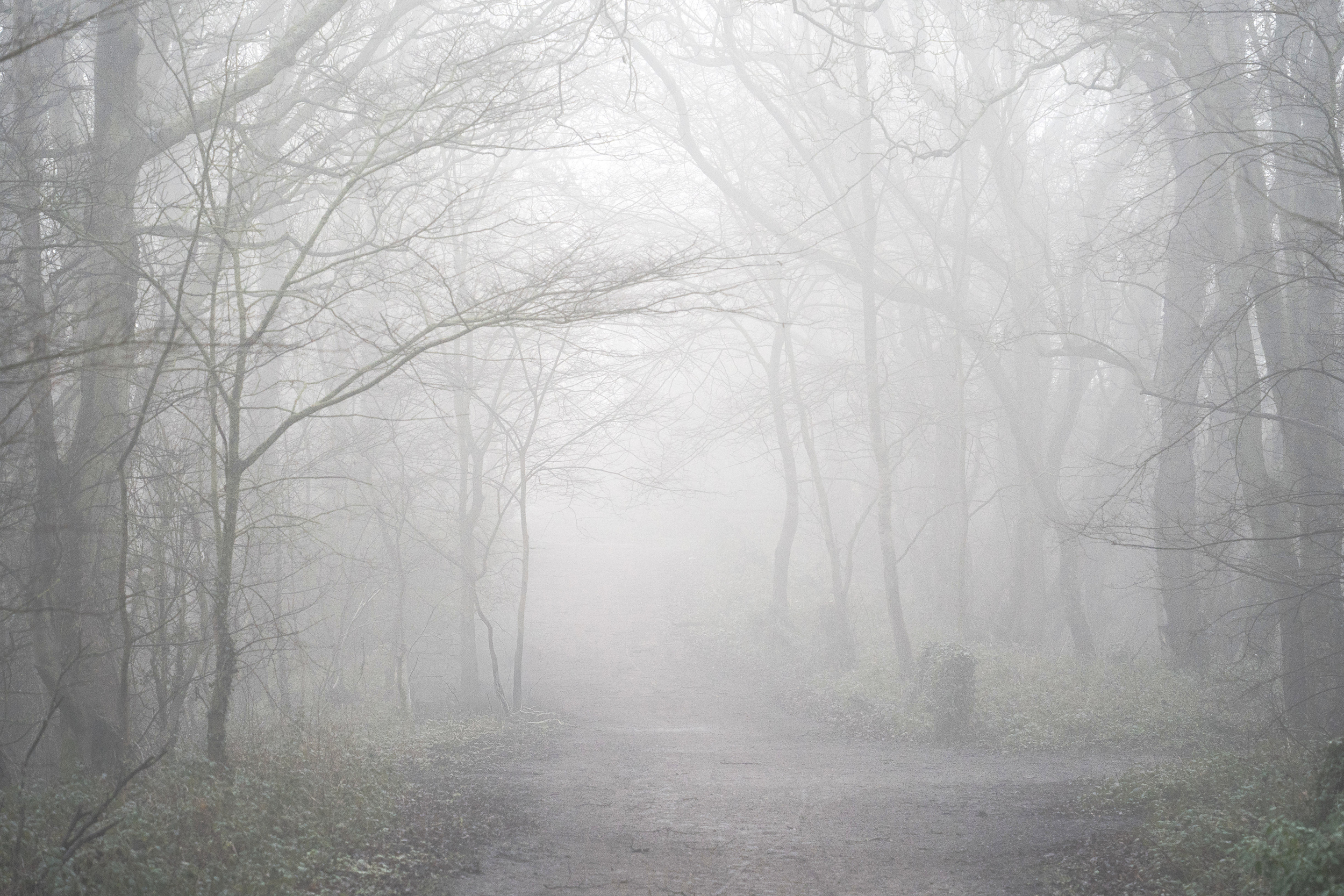
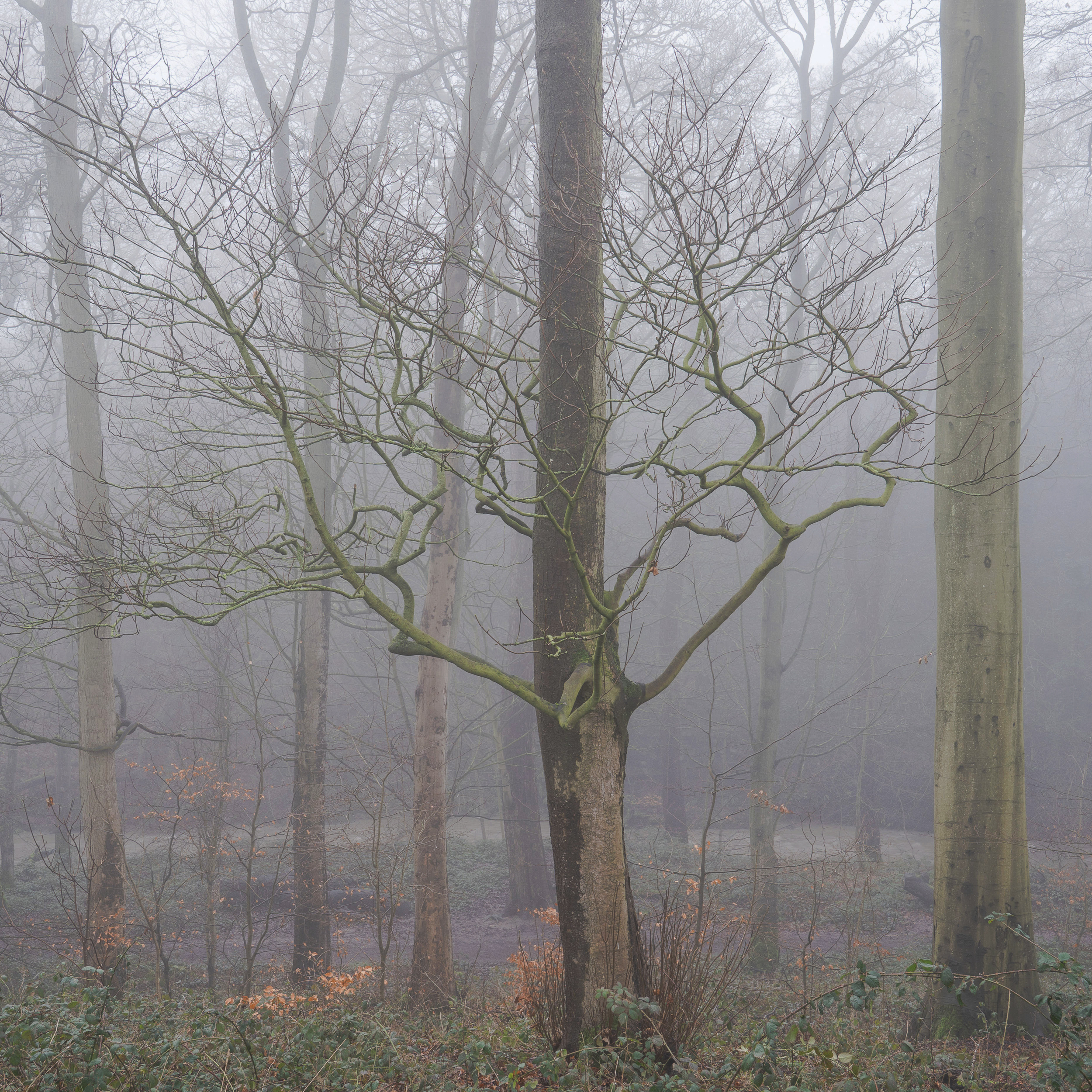
When the coastal shots weren’t quite coming together, I headed inland to a local woodland — and this is where the superzoom really came into its own. Being able to walk, explore, and react intuitively to the fog meant I could shoot handheld at one moment, then quickly settle into a tripod-based composition the next.
Instead of thinking in terms of which lens should I use, I could think in terms of where should I stand and what does this scene need. That freedom is surprisingly liberating, especially if you’re used to carrying larger, heavier systems (as I often am).
In the video, I talk through how I found a composition by moving through focal lengths rather than swapping lenses — narrowing in on the “sweet spot” around 40mm where everything finally clicked.
But What About Image Quality?
Of course, image quality always comes up when superzooms are mentioned. And yes — there are compromises. A £600 superzoom won’t outperform a £2,500 professional zoom in every situation. But modern digital correction, both in-camera and in post-processing, means that for most real-world uses, the difference simply isn’t as dramatic as people like to suggest.
More importantly, image quality alone doesn’t make a landscape photograph compelling.
Light. Atmosphere. Subject. Conditions.
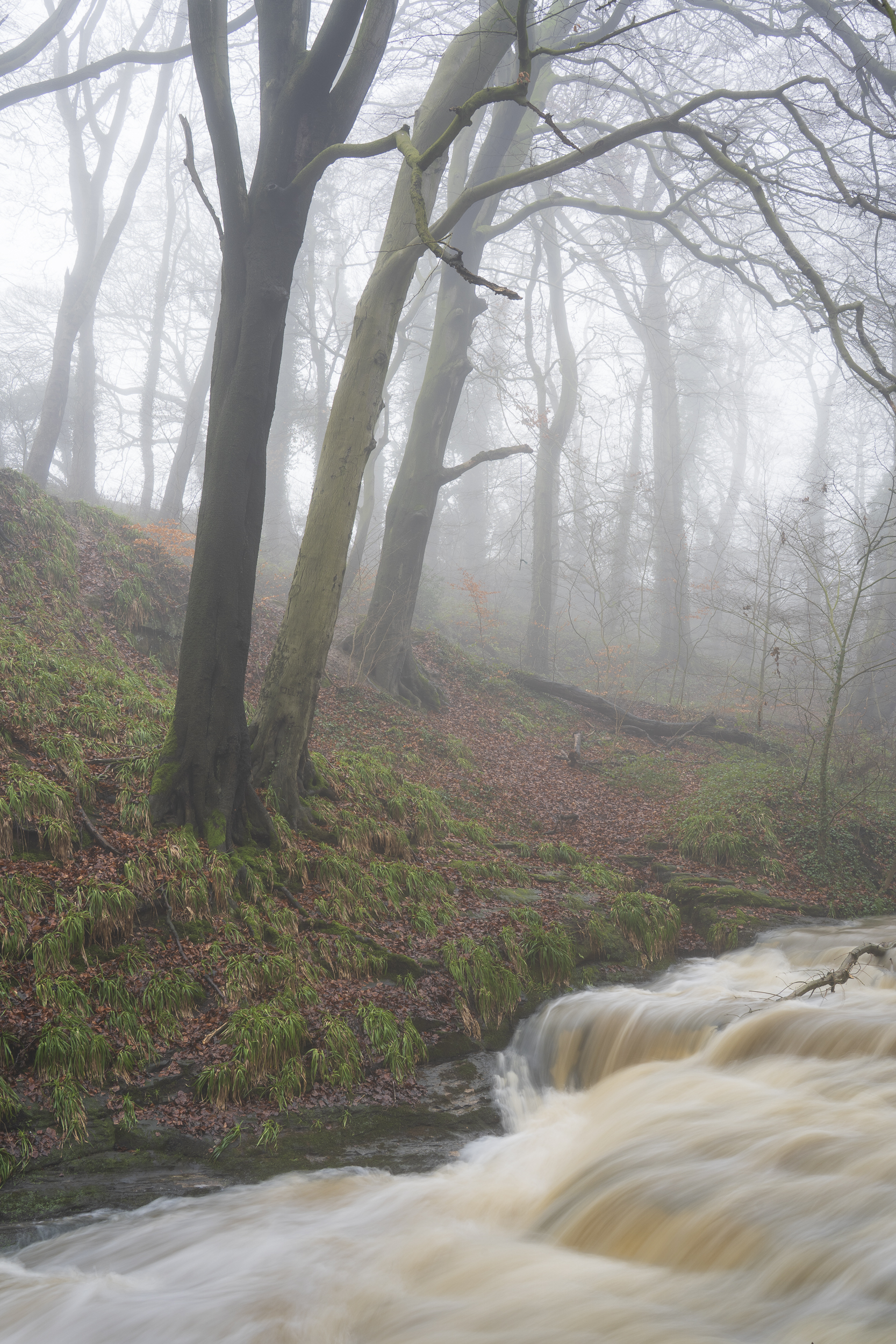
On this particular morning, fog, fast-flowing water, and saturated woodland transformed an ordinary location into something far more interesting — and no lens choice could replace that.
Watch the Video for the Full Story
Rather than telling you whether superzoom lenses are “good” or “bad,” this video is really about removing unnecessary limitations and choosing the right tool for the job — even if that tool isn’t fashionable.
If you’ve ever dismissed a superzoom for landscape photography, or if you already own one and wonder whether it’s good enough, I think you’ll get a lot out of this video.


Leave a Reply