
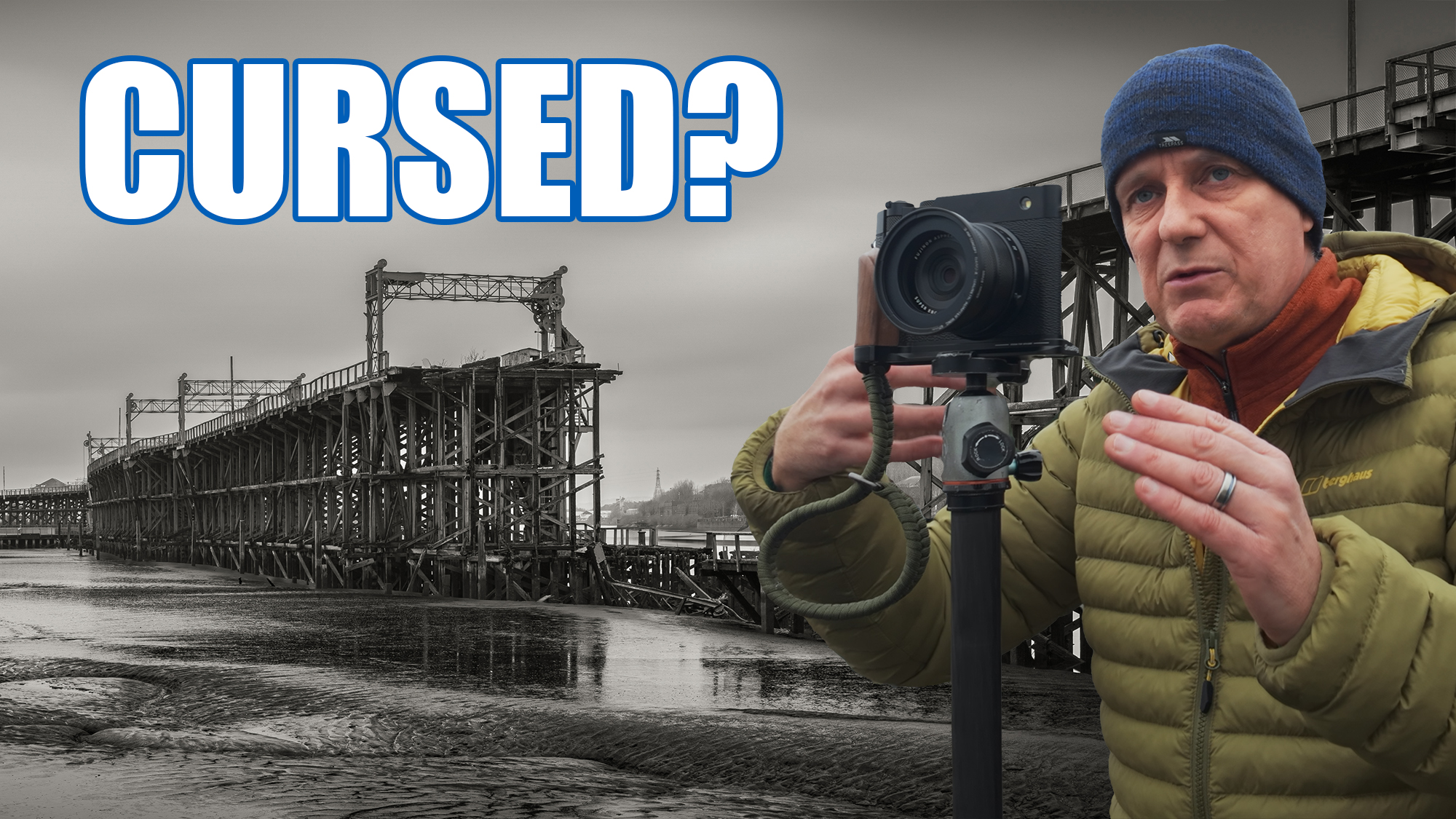
After six months of using the Fujifilm GFX100RF, I’m still torn. On paper, it’s an extraordinary camera: 100 megapixels, medium format, compact body, and beautiful 16-bit RAW files. But in real-world use, the fixed 35mm f/4 lens (28mm full-frame equivalent) changes the experience completely. Is this compact medium format camera a brilliant creative tool — or a compromise too far?
🎥 Watch the full video review here
A 100MP Medium Format Camera… With One Big Limitation
The GFX100RF is remarkable for its size. For a 100 megapixel medium format camera, it’s genuinely compact and portable — far smaller and lighter than most would expect. It’s a camera you can hike with, travel with, and carry without thinking twice.
But that portability comes at a cost: the fixed 35mm lens.
In full-frame terms, that’s 28mm. Wide. Very wide.
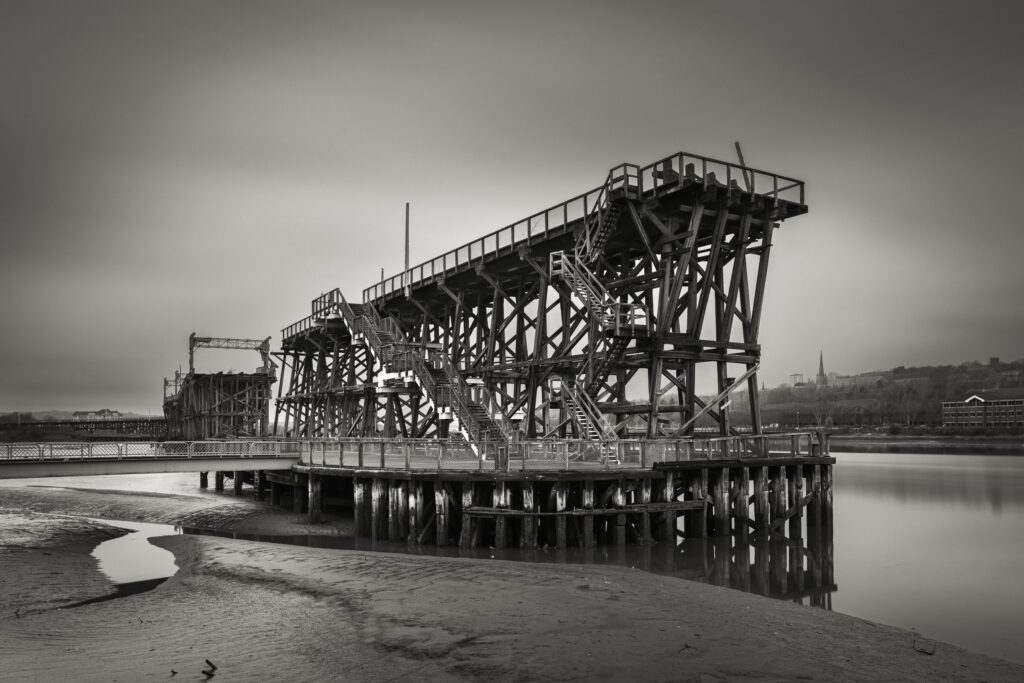
If 28mm suits your way of seeing, this camera feels almost untouchable. The files are rich, detailed, flexible, and the colour rendering is classic Fujifilm — subtle, natural, and beautiful.
But if you regularly want something tighter? That’s where the debate begins.
Cropping: Freedom or Frustration?
With 100 megapixels, cropping seems like the obvious solution.
You can switch to digital crop modes:
- 50mm equivalent
- 63mm equivalent
- XPan panoramic mode
- Multiple aspect ratios via the dedicated dial
And technically, the files still hold up beautifully.
But psychologically, it feels different.
If you’ve bought a 100MP medium format camera, are you happy throwing pixels away? Or should you be composing at full resolution to “justify” the investment?
That tension is where the “cursed” side starts to creep in.
File Size, Storage & Editing Reality
There’s also the practical side.
100MP 16-bit RAW files are large.
Even on a well-specced MacBook Pro, heavy editing in Lightroom or Photoshop can slow things down. Storage fills quickly if you shoot freely.
If you’re a high-volume photographer, this might not be your first choice. If you’re a considered, deliberate shooter — almost film-like in approach — it makes much more sense.
And that’s key.
The GFX100RF rewards restraint.
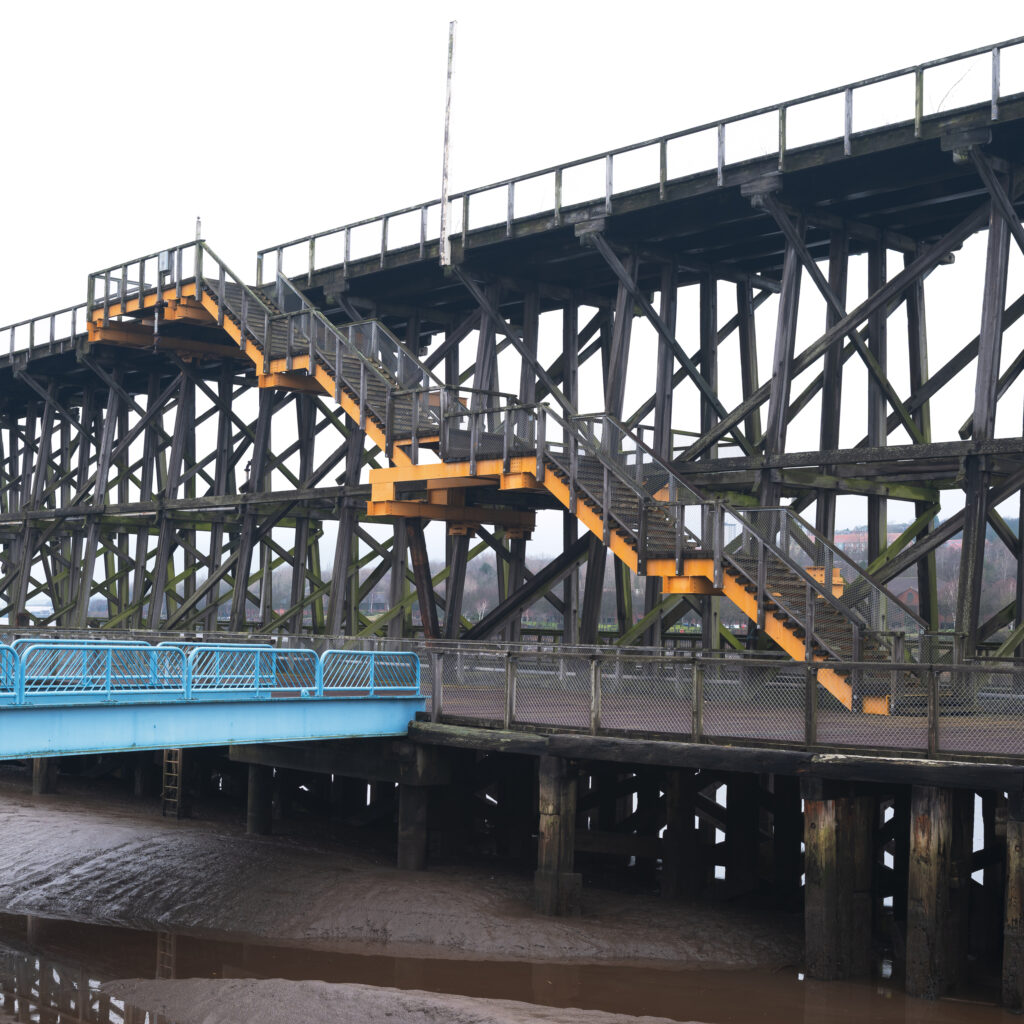
Fujifilm Colour & The XPan Advantage
Where this camera truly shines is in colour depth and flexibility.
The 16-bit files allow for significant pushing and pulling in post without breaking apart. Dynamic range is excellent. Subtle tones hold beautifully.
The dedicated aspect ratio dial is also more than a gimmick. The 65:24 panoramic mode is arguably the closest modern digital experience to an XPan-style workflow — without film costs.
If you enjoy composing in panoramic formats, this camera becomes far more compelling.
The Ricoh Wide Angle Adapter Changes Everything
One of the biggest turning points in my experience has been adding the Ricoh wide angle adapter.
This effectively transforms the camera into a 21mm full-frame equivalent — a focal length I personally love for landscape work.
For around £200, it changes the usability of the system significantly and makes the fixed-lens limitation far easier to live with.
Without it? I might question keeping the camera long term.
With it? It becomes much easier to justify.
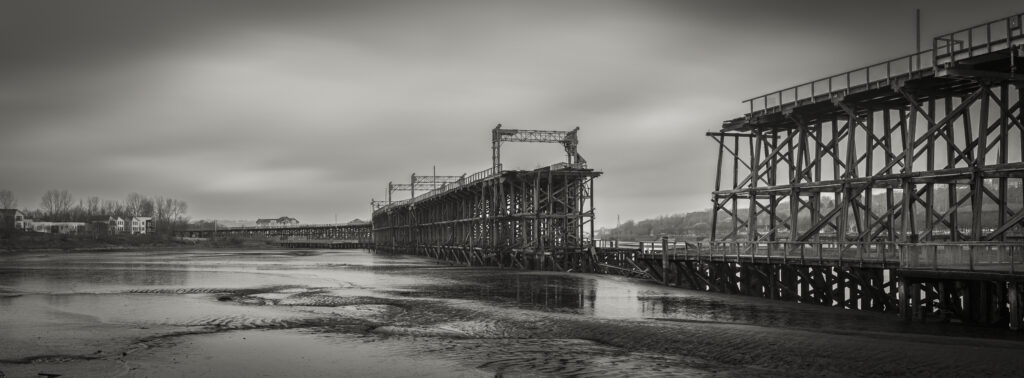
So… Blessed or Cursed?
The truth is: it’s both.
When the focal length works for the scene, the GFX100RF produces incredible images in a surprisingly compact body.
When it doesn’t, you start to feel the compromises — especially at its price point.
It’s not a do-everything camera. It’s a deliberate camera.
And if your style suits that deliberate approach, it can feel genuinely special.
For now, mine isn’t going anywhere.
But at twelve months? We’ll see.
If you’re considering the Fujifilm GFX100RF, I’d love to hear your thoughts — especially on fixed-lens medium format. Does it make sense at this price? Or would you prefer the flexibility of an interchangeable system?
Let me know in the comments below the video.




Leave a Reply