
There’s something about sunrise photography that always feels like a gamble. You set the alarm, drive out in the dark, and convince yourself that this will be the morning everything comes together — even when the forecast and the sky are already hinting otherwise.
This shoot was one of those mornings.
I’d come to this location for sunrise knowing full well it isn’t the most tranquil place to photograph. It’s not peaceful, it’s not quiet, and it doesn’t always reward you with dramatic light. But visually, it’s an interesting subject — one I’ve been meaning to photograph properly for a while.
As it turned out, the sunrise itself never really happened. No colour, no drama. But that didn’t stop it becoming one of the most enjoyable and thoughtful shoots I’ve had in a long time.
A different approach to sunrise photography
Standing there in the half-light, it quickly became clear that this might end up as a black and white shoot. The light was flat, the sky was unconvincing, and the atmosphere felt muted. Instead of fighting that, I decided to lean into it.
This wasn’t about chasing colour or reacting quickly to changing light. It was about slowing down, simplifying the scene, and letting the subject speak for itself.
That mindset influenced everything that followed — especially my choice of camera.
Why I returned to the Fujifilm GFX 50S
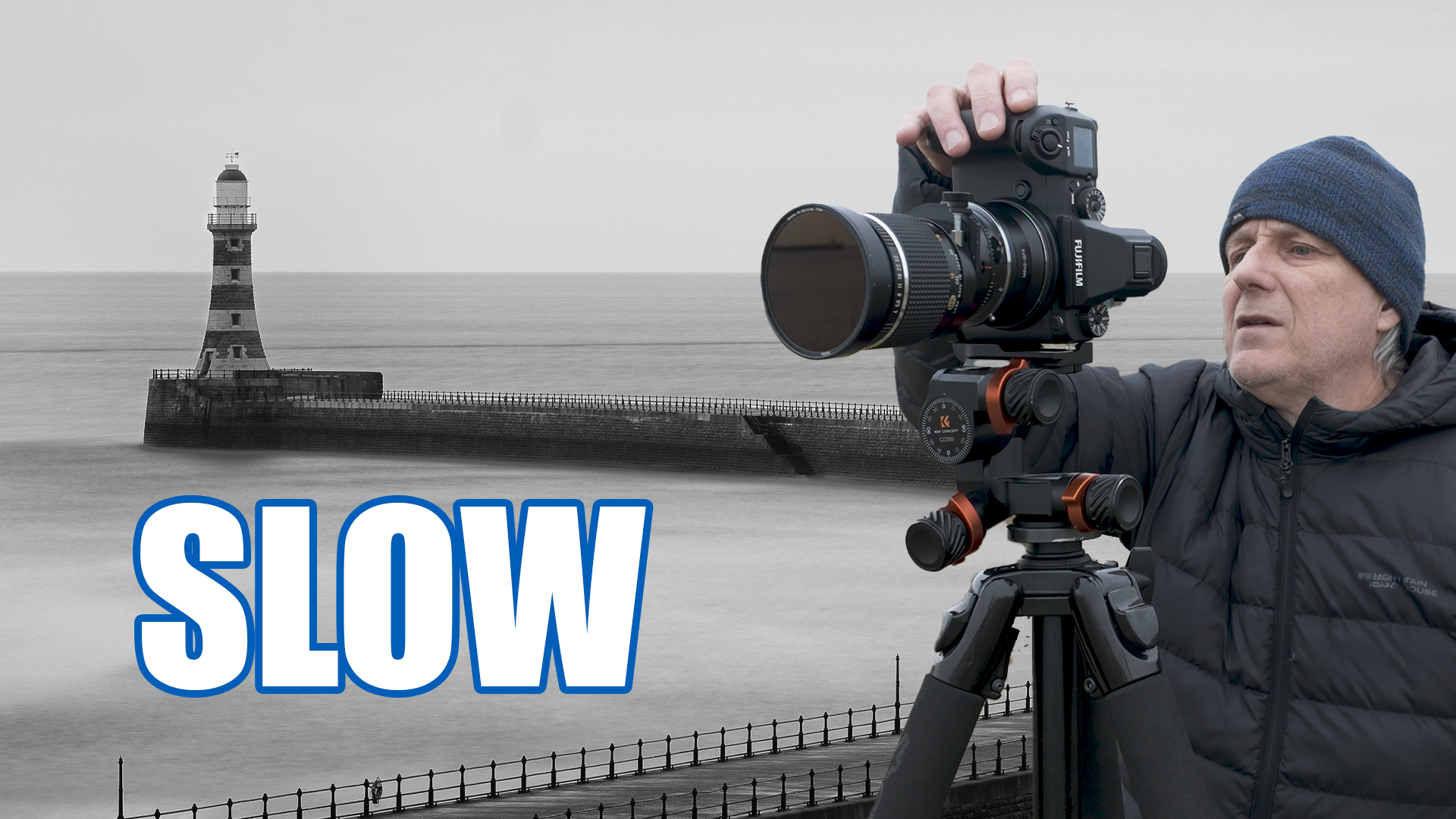
The camera I used on this shoot is one I never thought I’d own again: the original Fujifilm GFX 50S (Mark I). It’s big, heavy, and undeniably slow. Compared to the GFX100RF I use regularly now, it feels almost prehistoric.
But that’s exactly the point.
These cameras have become something of a medium format bargain. You can pick one up for around £1,200 — which, while not cheap, is surprisingly accessible for digital medium format. And for certain types of photography, it still makes a lot of sense.
This isn’t a camera I’d want to hike miles with. But for locations where I can park up, walk a short distance, and really take my time, it offers something different — not better image quality, but a different experience.
And for me, the experience of how I approach photography matters just as much as the final image.
Using vintage Mamiya lenses on digital medium format
One of the main reasons I wanted to revisit this camera was to use my old Mamiya lenses on a digital body.
The main lens for this shoot was a Mamiya 105–210mm — a lens I normally use on my Mamiya 645 Super. I picked it up from Japan for under £100, and despite its age, it’s in beautiful condition.
With the adapter costing about the same as the lens itself, the whole setup still comes in at a very reasonable price for a digital medium format system with a telephoto zoom.
What surprised me most was how well it performed. It gave me more reach than I expected, opened up the possibility of panoramic compositions, and produced images with a softness and character that felt very film-like.
Not clinically sharp — and I didn’t want it to be.
Long exposures, black and white, and slowing right down
With manual focus, no electronic communication, and a sluggish camera body, everything about this setup forces you to slow down.
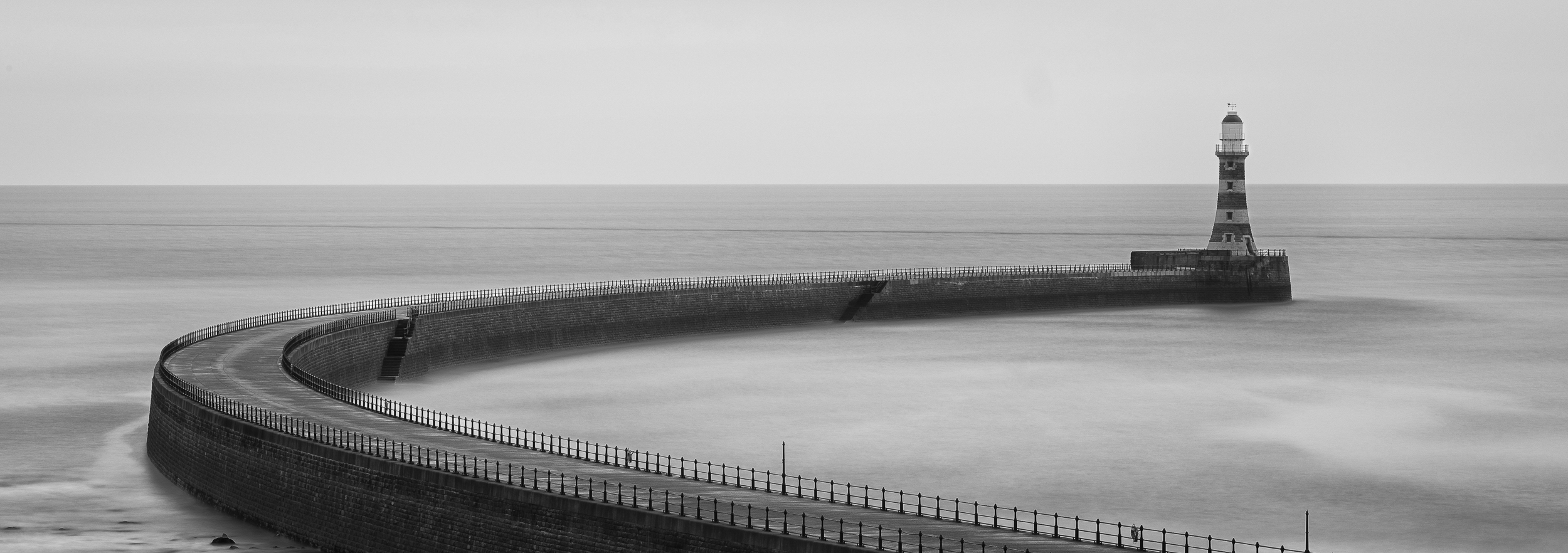
Focus peaking made manual focus surprisingly straightforward, especially when working in black and white. Exposure times quickly stretched out — 20 seconds, then a minute, sometimes longer once I added a six-stop ND filter to smooth the water.
There were mistakes along the way. A four-minute exposure was too long as the light changed. Focus wasn’t quite right on one frame. But that’s where digital still has its advantages — being able to check, adjust, and refine without losing the shot entirely.
It’s easy to take that for granted.
Exploring panoramas and shifting perspectives
As the shoot progressed, I moved along the beach and started experimenting with panoramas and different viewpoints. Some scenes felt like they needed to breathe horizontally rather than being forced into a standard frame.
Later, I switched to a Mamiya 50mm Shift, heading closer to the water and working quickly as waves rolled in unpredictably.
Using a shift lens in these conditions is both incredibly satisfying and mildly terrifying. It allows you to keep verticals straight and control perspective beautifully — but you also need to be decisive. Rogue waves don’t wait for you to finish composing.
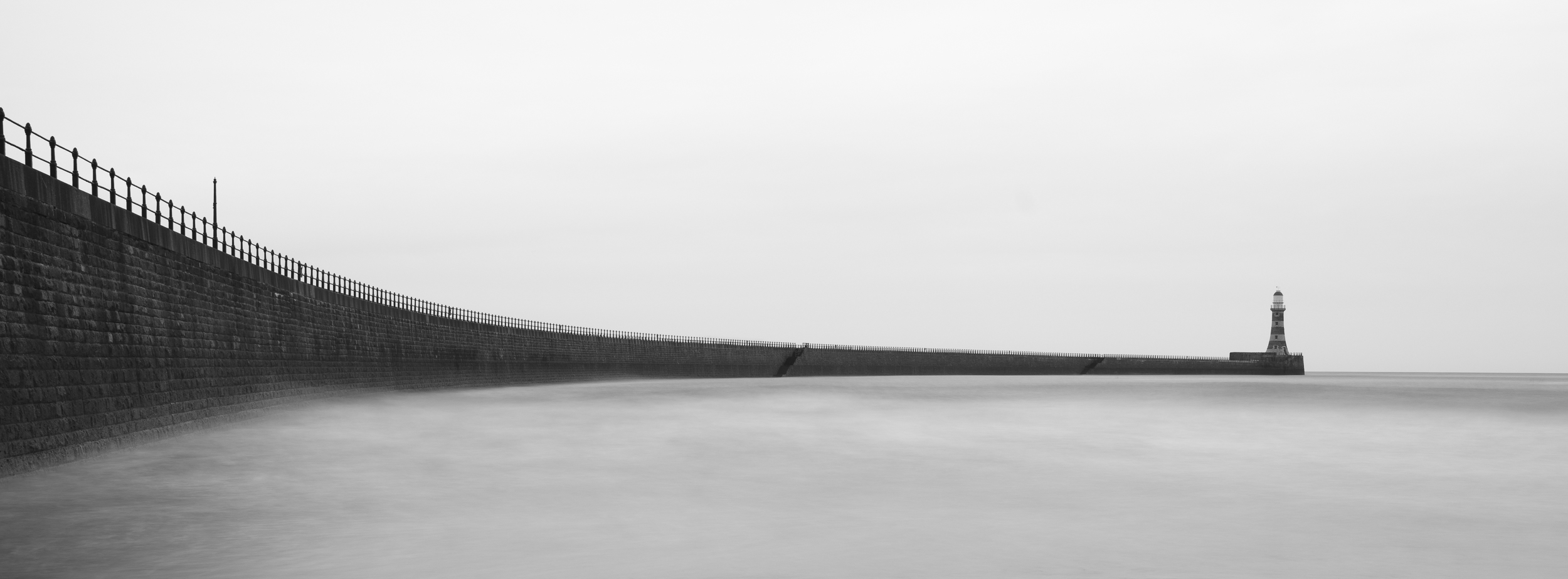
A final image in colour… and then monochrome
For the final image of the morning, I broke my own pattern and tried something different.
In the distance sat a small red wooden lighthouse, backed by soft green grasses in the foreground. In my mind, I imagined a slightly overexposed, airy colour image with gentle motion blur — something pastel and calm to contrast the moody weather rolling in.
The shot worked. But when I later converted it to black and white, it became clear that monochrome suited it far better. The tones, textures, and simplicity all came together in a way colour just couldn’t match.
Sometimes the image tells you what it wants to be — if you’re prepared to listen.
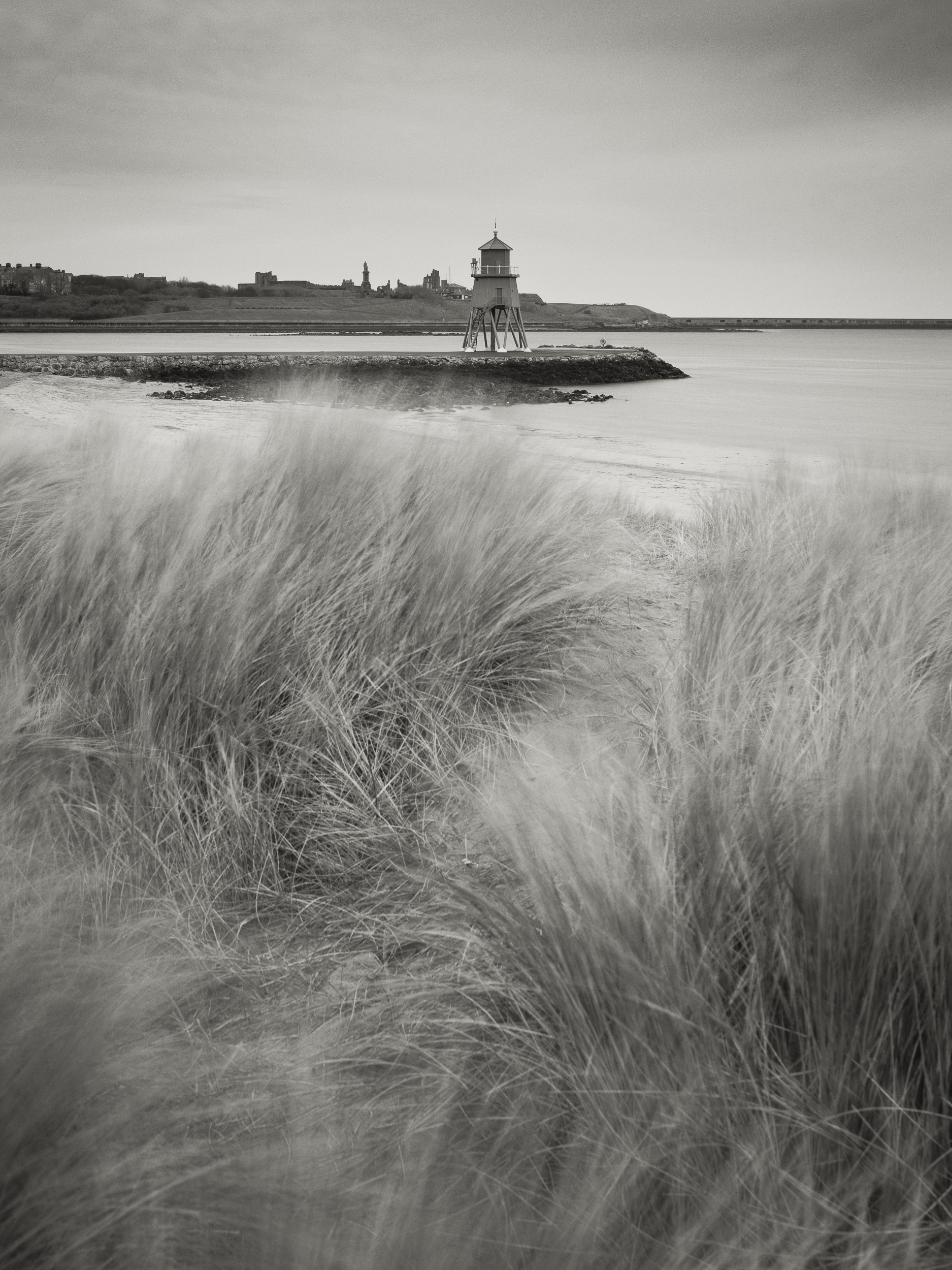
A digital setup that feels like film
At one point during the shoot, I messaged a friend and said this felt like the most film-like experience I’d ever had with a digital camera.
I still stand by that.
The manual focus, the weight, the slow operation, the deliberate decision-making — all of it encourages a different mindset. You slow down. You think more. You shoot less. And when it works, the results feel earned.
The files may be digital, but the process feels wonderfully old-fashioned.
Final thoughts
This wasn’t a dramatic sunrise. The weather never fully played along. But I came away genuinely pleased — not just with the images, but with the experience itself.
Using vintage Mamiya lenses on a digital medium format camera reminded me that photography doesn’t always need to be fast, sharp, or efficient. Sometimes it just needs to slow you down enough to see properly.
You can watch the full video below, where I talk through the process, the compositions, and my thoughts as the shoot unfolds.



Leave a Reply