
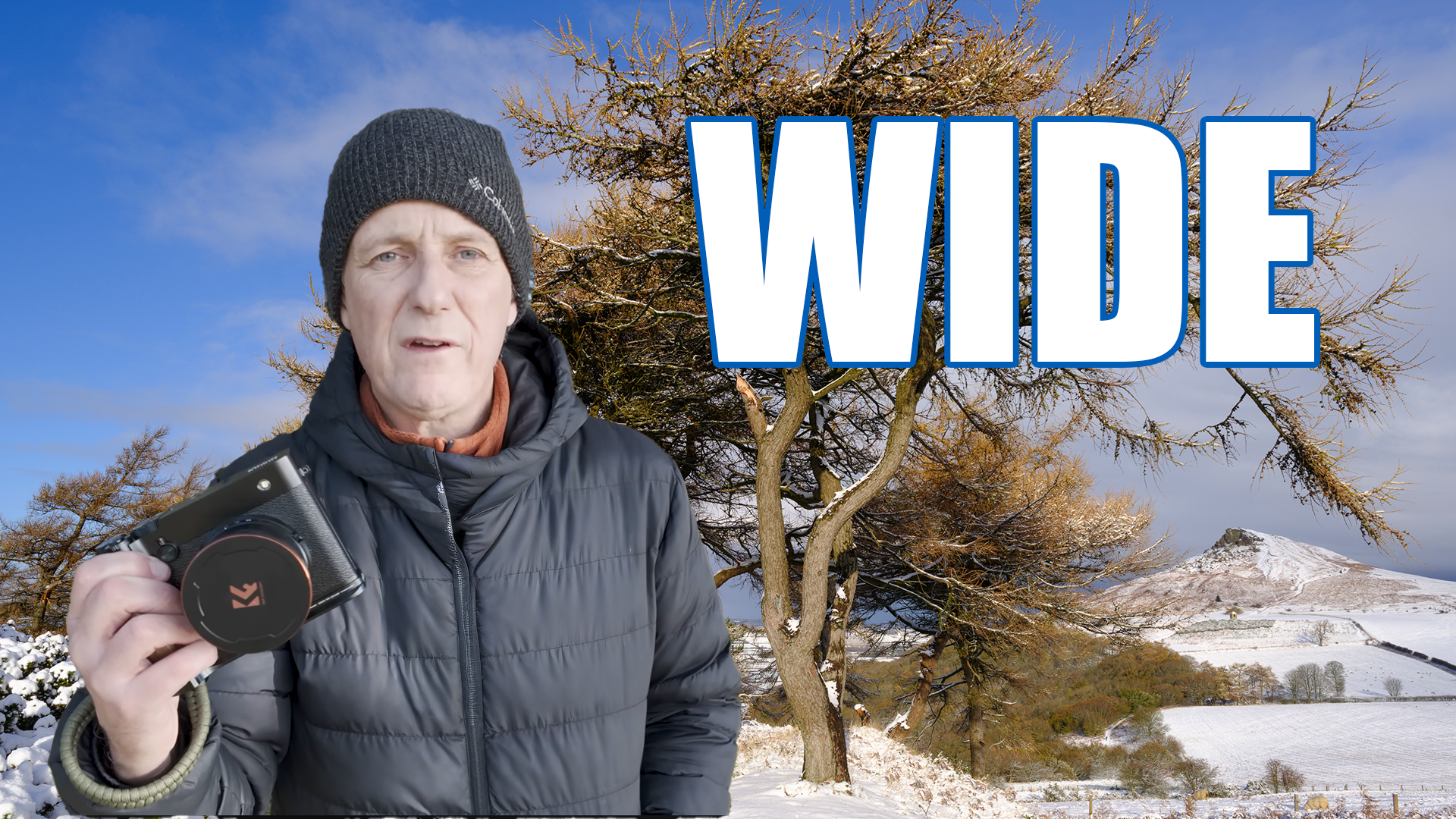
One of the things I love most about the Fujifilm GFX100RF is how compact it is for a 100-megapixel medium format camera. With its fixed 35mm lens (28mm full-frame equivalent), it’s a joy to carry and produces beautiful files.
But there’s always been one limitation that niggled at me.
Sometimes, 28mm just isn’t wide enough.
You can crop in using the built-in digital zoom options, but if you want to go wider than the native field of view, you’re stuck. Or at least, that’s what I thought — until I tried a simple wide-angle converter that completely changed how I use this camera.
A Real-World Test
Before talking about brands, prices, or specs, I wanted to see how this adapter performed in the real world. I first tried it during a property photography job in Northumberland, where wide angles aren’t a luxury — they’re essential.
Without the adapter, the scene felt tight and compromised. With it fitted, the same composition suddenly worked. The difference between the native 28mm view and the converted 21mm equivalent was immediately obvious — and crucially, usable.
Sharpness held up beautifully. Centre sharpness was excellent, and even towards the edges there was very little to complain about, especially considering this is a 100MP file. Contrast and handling of light sources were also reassuringly clean, with no obvious flare or degradation.
Simply put: optically, it worked far better than I expected.
From Property to Landscape
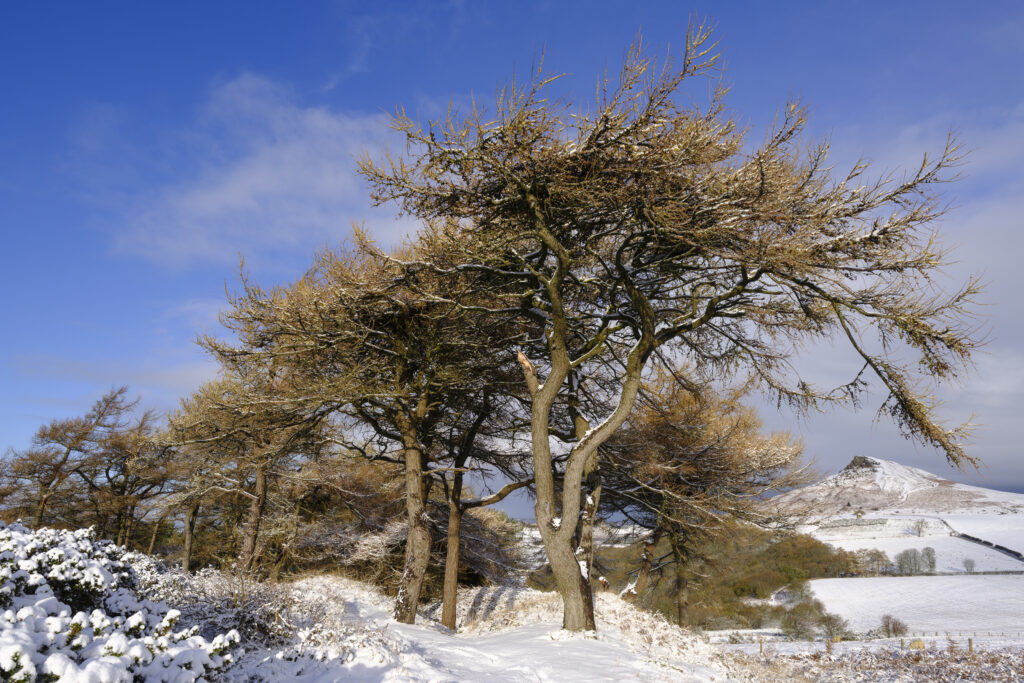
Back out in the field — where I spend most of my time — the adapter really came into its own. Shooting landscapes in North Yorkshire after the first snowfall of the season, I finally felt like the GFX100RF had the breathing room I’d been missing.
Using a wide-angle lens isn’t just about fitting more into the frame. It’s about perspective. Being able to stay close to a foreground subject while exaggerating depth is what gives wide-angle images their impact — and without the adapter, that wasn’t always possible.
With it fitted, I could work close to gates, trees, and foreground detail while still holding the background together. Yes, depth of field becomes more challenging, but that’s a creative decision rather than a limitation.
What Is the Adapter?
The wide-angle converter I’ve been using is the Ricoh GW-4 — originally designed for the Ricoh GR III. It converts a 28mm lens into a 21mm equivalent, which happens to translate perfectly to the GFX100RF.
It screws straight onto the front of the lens, no step-up rings, no bodges. It’s solid, a little weighty (pure glass), but perfectly manageable on a tripod. Handheld, you’re aware it’s there — but it’s never felt unbalanced or awkward.
There is a very slight amount of barrel distortion, but we’re talking minimal. It’s easily corrected if needed, and far less pronounced than on many far more expensive wide-angle lenses I’ve owned over the years.
Any Downsides?
There are a couple of minor trade-offs:
- There’s a very slight vignette in the extreme corners when using a polariser at certain aspect ratios
- It adds a bit of weight to the front of the camera
None of these have been deal-breakers for me.
The Big Surprise: The Price
This is the part that genuinely surprised me.
I paid £179 for the adapter. For something that effectively turns the GFX100RF into a much more versatile camera — especially for landscapes and panoramas — that feels like outstanding value.
When you compare it to the cost of interchangeable medium format lenses, it almost feels like cheating.
Final Thoughts
This little adapter has genuinely changed how I think about the GFX100RF. I already loved the camera, but this removes the one frustration I consistently had with it.
It’s compact, optically strong, simple to use, and affordable — and for landscape photographers using the GFX100RF, it makes a huge amount of sense.
In fact, I finally managed to get a photograph I’ve been trying to make for over two years — a shot I’m not convinced I’d have captured without this converter.
For £179, that feels like money very well spent.

Leave a Reply